Bihar Flood: Fresh breach in the embankment in Saran, Gopalganj and Muzaffarpur
Source Entity
India Latest News: Top National Headlines Today & Breaking News | The Hindu
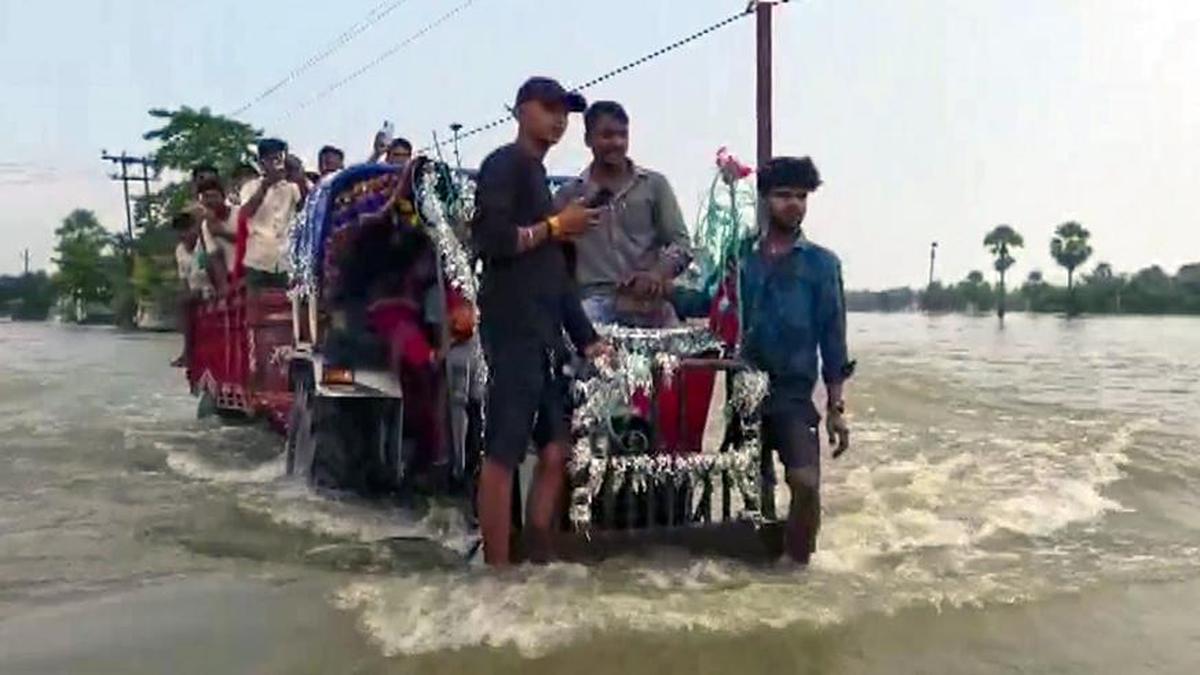
Severe flooding has hit Bihar's Saran, Gopalganj, and Muzaffarpur districts following critical breaches in Gandak River embankments. Authorities are on high alert as water levels remain significantly above the highest flood thresholds.
The Crisis in Bihar: Gandak River Breaches
On October 1, 2026, the state of Bihar faced a severe humanitarian and infrastructural emergency as fresh breaches in embankments along the Gandak River led to widespread flooding. The affected regions—Saran, Gopalganj, and Muzaffarpur—have seen floodwaters inundate local villages, displacing residents and disrupting life. These events follow previous structural failures in West and East Champaran, indicating a systemic vulnerability in the region's flood defense infrastructure during the monsoon season.
Structural Failures and Regional Impact
The geography of the damage is extensive. In Gopalganj, the collapse of the Shitalpur dam has caused significant water ingress into residential areas. Simultaneously, the Panapur region of Chhapra in Saran and the Sahebganj block of Muzaffarpur have experienced breaches in the Tirhut main embankment. These specific failures have compounded the misery of the local populace, as the water bypasses containment systems designed to protect these agrarian hubs from the volatile currents of the Gandak.
Meteorological Drivers and Hydrological Stress
The primary catalyst for this disaster is the intense rainfall patterns observed in neighboring Nepal and Uttar Pradesh. The Gandak River, which flows from the Himalayas, has been pushed into a state of high discharge. At Dumaria Ghat in Gopalganj, the river has surged approximately 22 cm above its Highest Flood Level (HFL). This hydrological pressure creates a compounding effect, where the sheer volume of water overwhelms saturated soil and aging infrastructure, leading to the rapid failure of embankments that were otherwise expected to hold.
Government Response and Immediate Outlook
Bihar Deputy Chief Minister Samrat Choudhary has acknowledged the severity of the situation, stating that the government is currently on high alert. With the water levels remaining well above critical thresholds, the next 48 hours are viewed as the most dangerous window for the state. Emergency response teams are tasked with monitoring these breaches to prevent further erosion and to facilitate the evacuation of villagers currently trapped by the rising waters.
Broader Implications for Flood Mitigation
This recurring cycle of embankment breaches in Bihar highlights the urgent need for long-term infrastructural reform. While emergency response is vital, the reliance on ring bunds and embankments that fail under extreme pressure suggests a need for a more robust, integrated water management system. The interaction between trans-boundary rainfall in Nepal and the downstream impact in Bihar remains a critical challenge for disaster management, necessitating better coordination and early-warning systems to mitigate the impact of future climate-driven flooding events.
Conclusion
The situation in Bihar serves as a stark reminder of the fragile balance between human settlement and riverine topography. As the state navigates the next critical 48 hours, the focus remains on containment and humanitarian aid. Looking forward, the frequency of such breaches necessitates a comprehensive re-evaluation of flood control engineering to protect the vulnerable populations of the Gandak basin.
Verification Required?