Supreme Court urges Kuki, Meitei groups to make peace, remove blockade on highways
Source Entity
India Latest News: Top National Headlines Today & Breaking News | The Hindu
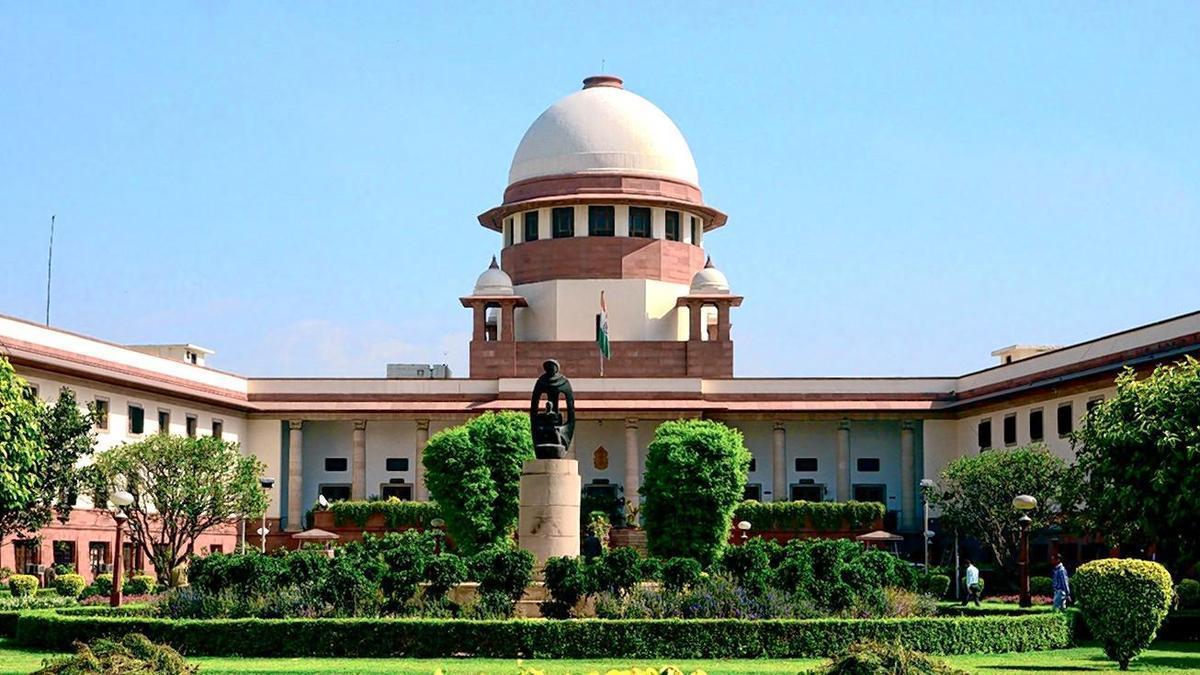
The Supreme Court of India has urged Kuki and Meitei groups to clear blockades on National Highways in Manipur to restore essential supplies. The court emphasized the humanitarian necessity of these roads while advocating for a peaceful resolution to the ongoing ethnic conflict.
Judicial Intervention for Humanitarian Relief in Manipur
The Supreme Court of India, led by Chief Justice of India Surya Kant, has issued a critical appeal to both Kuki and Meitei factions to dismantle blockades currently obstructing National Highways leading into Manipur. This judicial intervention stems from a petition filed by the Kuki Women Organisation for Human Rights, which highlighted the dire shortage of essential services and goods resulting from the persistent closure of these transit routes. The court’s focus remains squarely on the humanitarian crisis, framing the highways as vital lifelines for the ordinary citizens caught in the crossfire of regional ethnic tensions.
The Strategic Importance of National Highways
National Highways are the primary arteries for the movement of food, medicine, and fuel into the northeastern state of Manipur. Since the eruption of ethnic violence in May 2023, these roads have frequently become flashpoints of conflict, with blockades used as a tool of leverage by competing groups. The Supreme Court’s observation that such blockades serve no constructive purpose for either side underscores a strategic reality: the disruption of supply chains exacerbates suffering across all communities, ultimately undermining the stability of the region and complicating future reconciliation efforts.
Avoiding Judicial Overreach
A significant aspect of the Bench's approach is the deliberate choice to avoid issuing sweeping, coercive directions that could inadvertently destabilize the volatile situation on the ground. By urging the groups to facilitate the opening of the highways through mutual understanding or external mediation, the court is prioritizing a sustainable, grassroots solution over a top-down mandate. This cautious stance reflects an awareness of the complex socio-political landscape in Manipur, where rigid legal enforcement without local cooperation risks further inflaming existing grievances.
Historical Context of the Conflict
The ethnic violence that has gripped Manipur since May 2023 is rooted in long-standing tensions, which have manifested in the consistent weaponization of infrastructure. The current blockade of National Highway 2 is a direct continuation of this pattern, where control over transit routes is seen as a proxy for territorial and political dominance. The court’s intervention seeks to decouple the supply of basic human necessities from the broader political objectives of the warring factions, establishing that life-saving resources must remain neutral territory.
The Path Toward De-escalation
Looking ahead, the success of this judicial appeal depends on the willingness of both Kuki and Meitei leadership to engage in dialogue. The Supreme Court’s inquiry into why an external agency could not facilitate the clearing of the routes suggests that the judiciary sees a role for neutral intermediaries in de-escalating the crisis. If these blockades are lifted, it would signify a critical step toward normalizing daily life in Manipur, potentially creating a window of stability required for more formal peace negotiations to take root.
Conclusion
In summary, the Supreme Court’s recent stance is a measured attempt to prioritize human life over political deadlock. By focusing on the essential needs of the populace, the court has placed the onus on the warring parties to recognize the futility of using infrastructure as a bargaining chip. Whether this intervention leads to lasting peace will depend on the commitment of both groups to prioritize the welfare of their communities over the continued disruption of the region’s vital economic and humanitarian lifelines.
Verification Required?