Supreme Court raps Election Commission for failing to trace 2023 vote counting video from Karnataka
Source Entity
The Indian Express
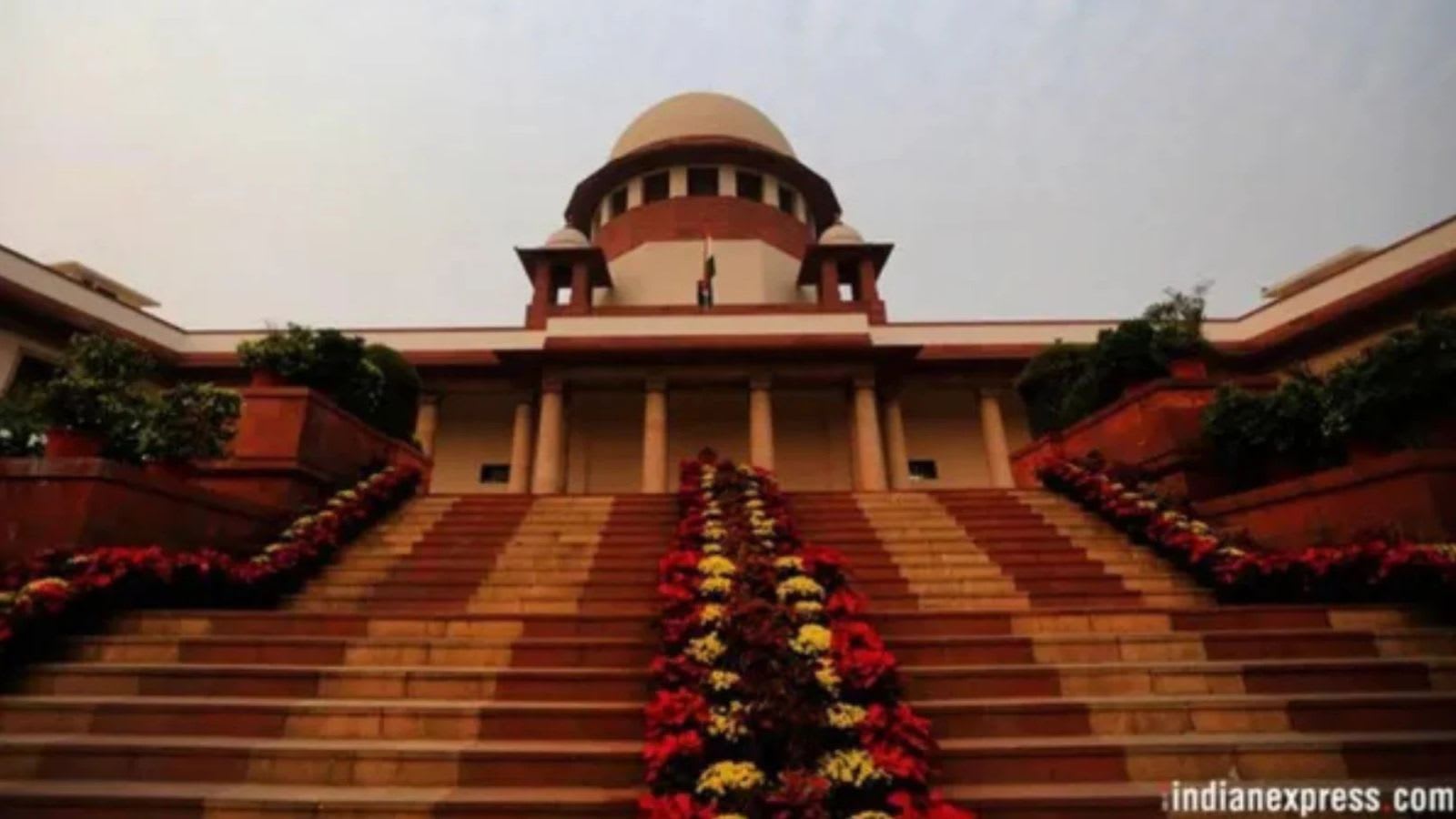
The Supreme Court has sternly reprimanded the Election Commission of India for failing to produce 2023 vote-counting footage from the Sringeri constituency. The court has demanded the records by February 15, 2027, warning of adverse inferences if the ECI continues to offer excuses.
Judicial Scrutiny of Election Integrity
The Supreme Court of India has issued a sharp rebuke to the Election Commission of India (ECI) regarding the missing video footage of the 2023 vote-counting process in the Sringeri assembly constituency. A bench comprising Justices Sanjay Kumar and Sanjeev Sachdeva characterized the ECI’s inability to trace these crucial records as "lame excuses," underscoring a significant breakdown in electoral transparency and administrative accountability.
The Sringeri Dispute
At the heart of the matter is a razor-thin electoral victory by Congress candidate T D Rajegowda, who secured the Sringeri seat by a margin of just 201 votes. The validity of this result was challenged by BJP candidate D N Jeevaraj, leading to a High Court-ordered recount that reportedly overturned the initial outcome. The request for the original counting footage is central to validating the procedural integrity of the contested recount, making the ECI's claim of 'lost' records particularly problematic for the judicial review process.
Evolving Norms on Data Retention
This incident highlights broader concerns regarding the ECI’s data management policies. Recent adjustments, specifically those enacted in December 2024, have narrowed the scope of who is permitted to inspect electoral recordings and have reduced the mandatory duration for which the ECI maintains such footage. Currently, most recordings are retained for only 45 days and remain inaccessible to the public, a policy shift that complicates efforts to audit election results long after the conclusion of the polling process.
Implications for Institutional Accountability
By warning the ECI that it will draw an "adverse inference" should the records remain missing by the next hearing on February 15, 2027, the Supreme Court is asserting its role as a safeguard for democratic processes. The court’s refusal to accept administrative lapses as a justification for missing evidence suggests a move toward stricter judicial oversight of election management bodies.
Future Trends in Electoral Oversight
This case serves as a barometer for how election disputes may be handled in the future. As the legal framework governing footage retention becomes more restrictive, the potential for friction between judicial expectations of transparency and executive administrative limitations is likely to increase. The final resolution of the Sringeri case will likely set a critical precedent for how the judiciary handles claims of missing evidence in high-stakes election petitions.