Palaniswami alleges ‘mega corruption’ in TVK’s power purchase
Source Entity
India Latest News: Top National Headlines Today & Breaking News | The Hindu
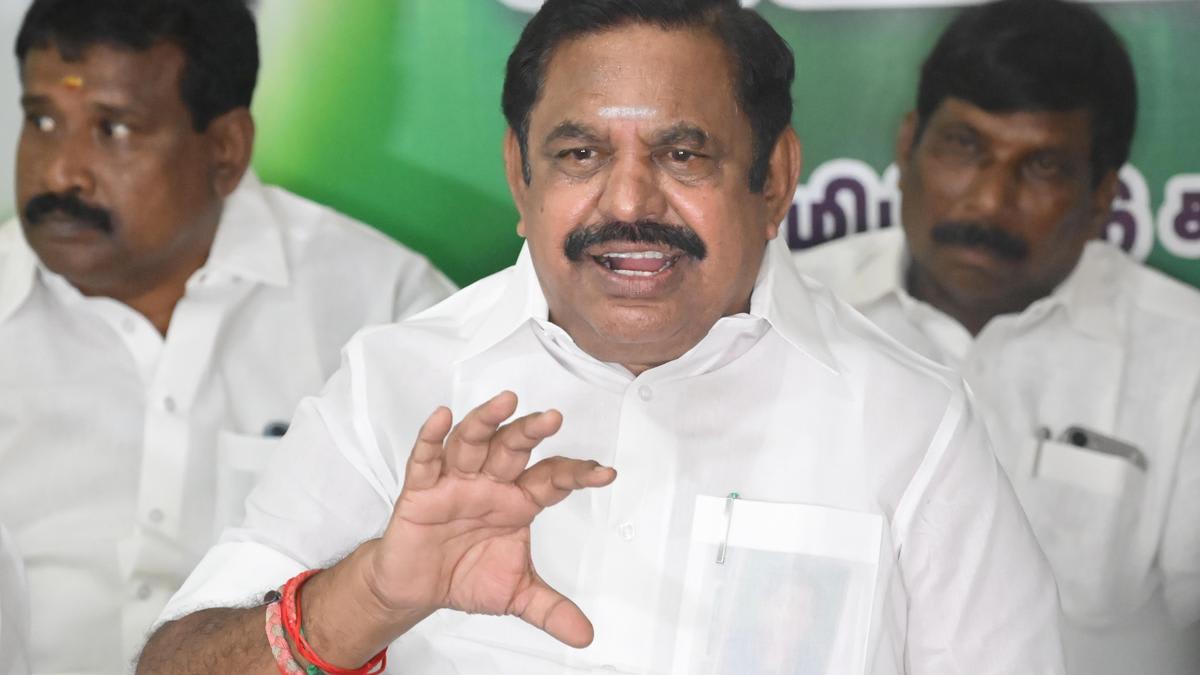
Tamil Nadu's government is facing intense backlash for purchasing power at ₹30-₹35 per unit to address high demand. Opposition leaders allege the move is a result of artificial shortages and potential corruption, citing a massive debt burden at TNPDCL.
The Tamil Nadu Power Purchase Controversy: An Overview
The Tamil Nadu government is currently embroiled in a significant political and economic controversy regarding its recent Power Purchase Agreements (PPAs). With the Tamil Nadu Power Distribution Corporation Limited (TNPDCL) securing power at rates exceeding ₹30 per unit, the state administration is facing severe scrutiny. This situation has ignited a fierce debate between the ruling government and opposition parties, centered on fiscal responsibility, energy security, and allegations of systemic corruption.
The Government’s Rationale: Managing a Demand Crisis
The state government has defended its decision by pointing to an unprecedented surge in power demand. Officials, including Energy Resources Minister C.T.R. Nirmal Kumar, attribute this spike to a prolonged summer-like climate that has strained the state’s grid capacity. According to the government, the decision to procure high-cost power was a necessary intervention to prevent load shedding and ensure continuity of supply. The administration argues that current market conditions, where primarily gas-based power is available for immediate purchase, have naturally pushed the procurement price upward.
Opposition Allegations and the 'Mega Corruption' Claim
AIADMK general secretary Edappadi K. Palaniswami has spearheaded the opposition's attack, labeling the procurement process as "mega corruption." The core of this criticism lies in the timing and the cost disparity. Palaniswami pointed out that the current government terminated previous power agreements—which were locked in at rates between ₹11 and ₹20 per unit—citing corruption allegations against those earlier deals. By replacing these with new contracts at ₹35 per unit for 4,400 MW, the opposition claims the government has manufactured an artificial shortage to benefit private entities at the taxpayers' expense.
Fiscal Health of the TNPDCL
A critical backdrop to this conflict is the precarious financial state of the TNPDCL. With a reported debt burden of ₹2.48 lakh crore, the corporation’s ability to absorb high operational costs is severely limited. Critics argue that entering into high-cost PPAs exacerbates this financial instability, potentially leading to long-term tariff hikes for consumers or a collapse in service quality. The reliance on expensive spot-market or short-term gas-based power highlights the lack of long-term strategic energy planning that could mitigate the impacts of seasonal demand spikes.
Broader Implications for Energy Policy
This controversy underscores a broader systemic challenge faced by Indian states in managing electricity distribution. The tension between ensuring 24/7 power access and maintaining fiscal discipline is a recurring theme in state-level governance. When governments cancel long-term contracts in favor of short-term, spot-market procurement, they often expose the state treasury to extreme price volatility. This event serves as a case study for the risks associated with politicizing energy procurement and the necessity of maintaining transparent, cost-effective, and long-term energy contracts.
Conclusion and Future Outlook
As the political discourse intensifies, the public remains caught in the middle of these competing narratives. While the government maintains its actions were driven by the immediate necessity to avoid power outages, the opposition’s focus on the massive debt and the cancellation of previous, cheaper contracts raises valid questions about governance and accountability. Moving forward, the state’s ability to stabilize its energy costs and address the TNPDCL’s massive debt will be the true test of its administrative efficiency and commitment to fiscal transparency.
Verification Required?