How Trump’s tariffs and Iran war are becoming liabilities in Michigan’s Senate race
Source Entity
US Top News and Analysis
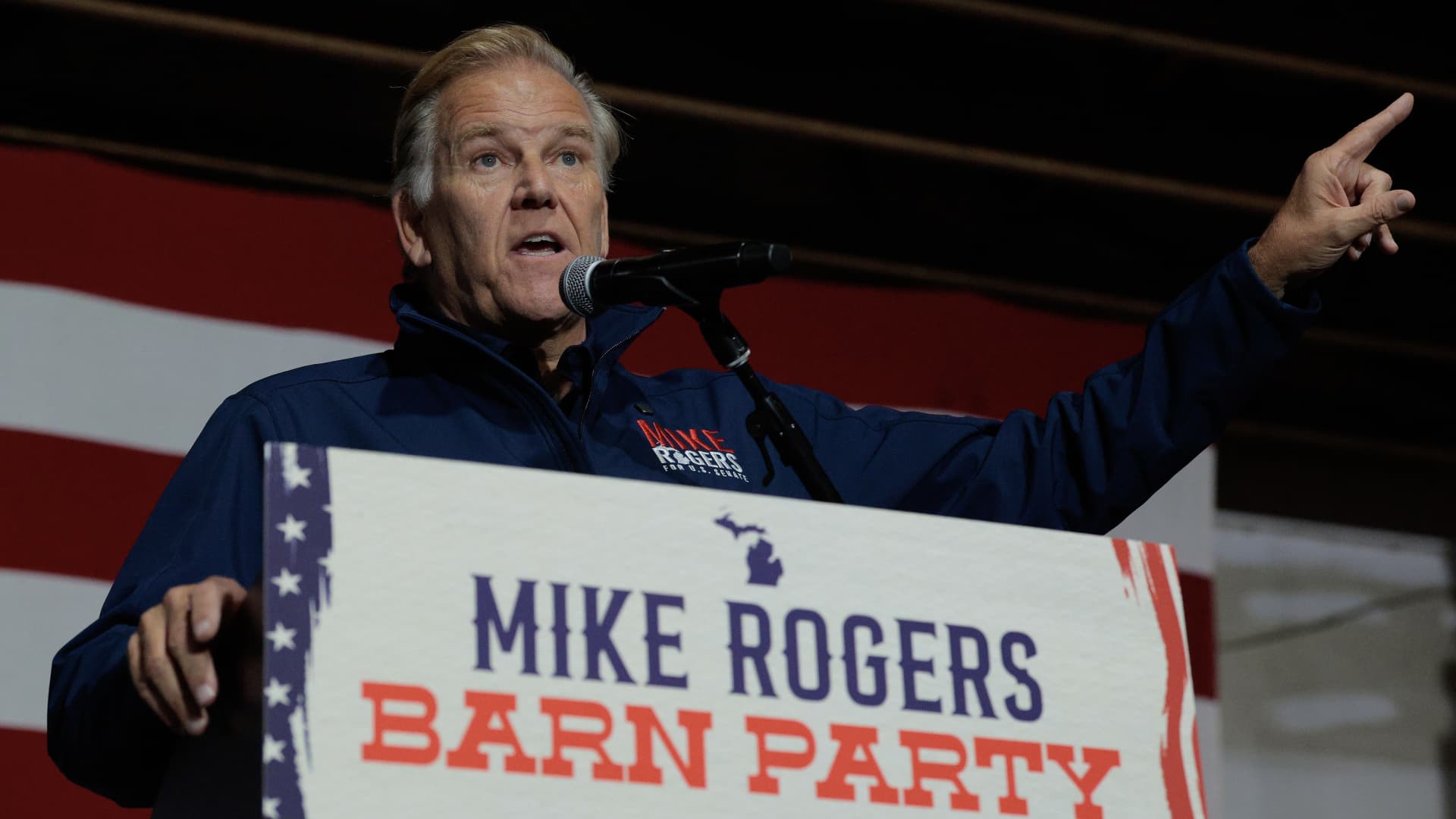
Michigan Senate candidate Mike Rogers is distancing himself from Donald Trump's trade and foreign policy stances. The move highlights the economic risks posed to Michigan's auto industry by potential tariffs and global instability.
The Strategic Pivot: Rogers and the Michigan Senate Race
The Michigan Senate race has become a focal point for internal Republican tension, as candidate Mike Rogers navigates the complex political landscape of a swing state. While the GOP typically aligns with former President Donald Trump, Rogers has opted to break from his party leader on critical issues such as trade tariffs and foreign policy regarding Iran. This distancing maneuver reflects a calculated effort to insulate his campaign from policies that could alienate Michigan's unique economic base.
The Economic Weight of Trade Policy
At the heart of this friction is Michigan’s deep integration with the Canadian economy. With roughly $80 billion in annual trade between Michigan and Ontario, the stakes for regional prosperity are immense. Canada serves as Michigan's primary export market, accounting for 39% of the state's total exports—a figure totaling $23.2 billion last year. Rogers’ departure from Trump’s tariff-heavy rhetoric suggests a recognition that protectionist trade measures could jeopardize the stability of this essential cross-border relationship.
The Automotive Industry’s Vulnerability
Michigan’s automotive sector, dominated by the 'Detroit Three'—General Motors, Ford, and Stellantis—is particularly sensitive to trade volatility. Because automotive supply chains are highly interconnected, with parts frequently crossing the U.S.-Canada border multiple times before final assembly, any tariff disruption acts as a direct tax on domestic manufacturing. The reported $6.5 billion in combined tariff-related costs incurred by these companies in 2025 illustrates the profound financial burden that trade barriers place on the backbone of the Michigan economy.
Geopolitical Risks and Voter Sentiment
Beyond trade, the inclusion of foreign policy—specifically the conflict involving Iran—as a liability in the Senate race underscores the growing concern among voters regarding global instability. By breaking with the former President on these issues, Rogers is attempting to project a more pragmatic, localized focus that addresses the specific anxieties of Michigan workers. This strategy aims to appeal to moderate voters who may support Republican fiscal policies but are wary of the unpredictability associated with Trump’s foreign policy and trade agendas.
Future Trends and Political Realignment
This trend of GOP candidates distancing themselves from party leadership on trade signals a potential shift in how battleground Republicans approach national platform issues. As the global economic landscape remains volatile, candidates in industrial states are likely to prioritize regional economic health over strict adherence to national party orthodoxy. If this divergence continues, it could reshape the internal dynamics of the Republican party, forcing a debate between populist protectionism and the traditional pro-trade stance that has historically defined the party's economic platform.
Conclusion
The strategic separation observed in the Michigan Senate race highlights the tension between national political branding and local economic reality. For Mike Rogers, the path to victory necessitates balancing party loyalty with the pragmatic needs of an economy heavily reliant on open trade with Canada. As the election approaches, the effectiveness of this distancing strategy will serve as a bellwether for how Republican candidates in industrial states navigate the competing pressures of the Trump era.