Trump says he won't use nuclear weapons or send ground troops to Iran
Source Entity
US Top News and Analysis
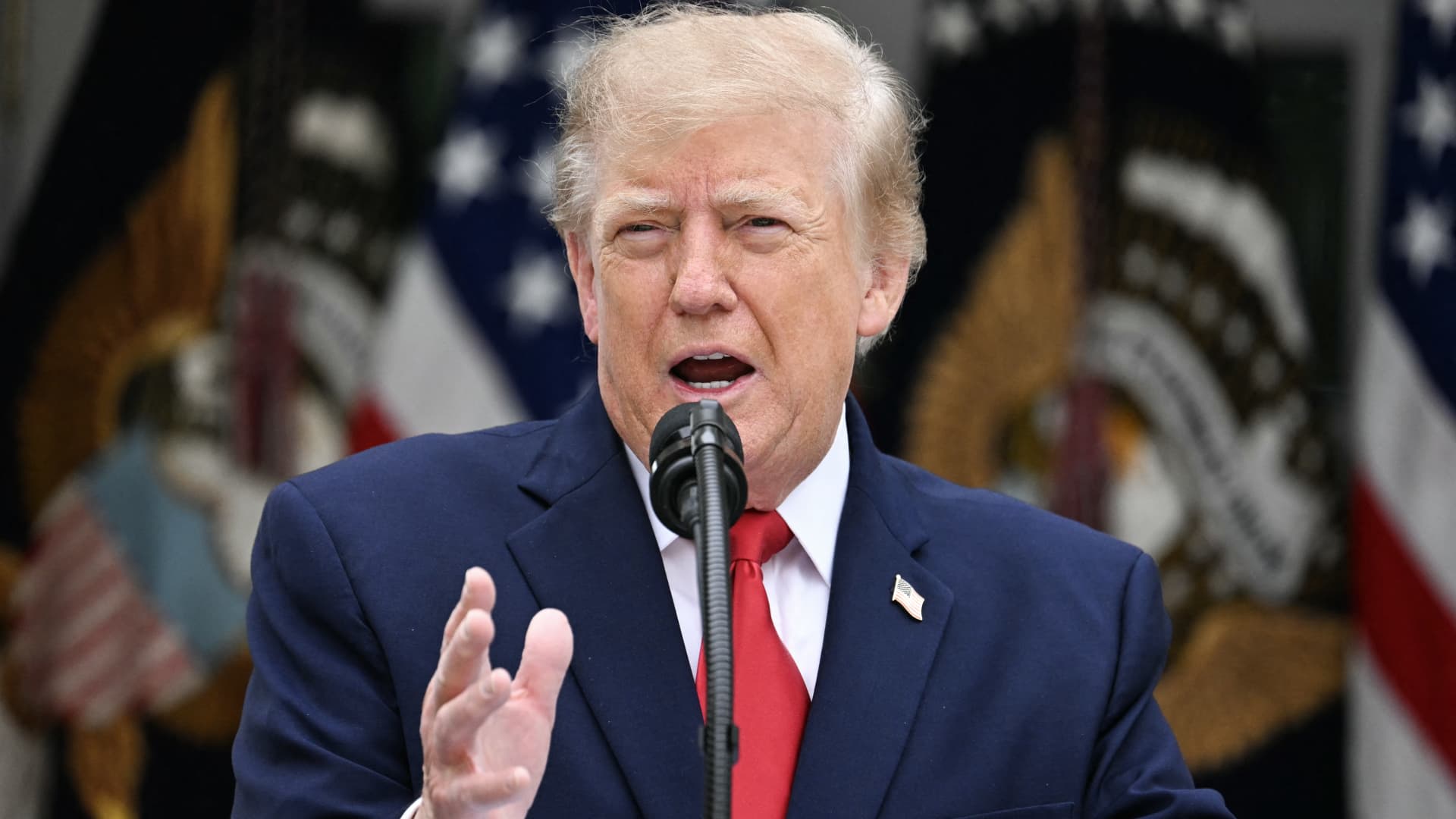
President Donald Trump has explicitly ruled out the use of nuclear weapons or ground troop deployments in potential actions against Iran. He emphasized that the U.S. possesses significant conventional capabilities, including non-nuclear options like the MOAB, to achieve strategic objectives.
Strategic Clarity in US-Iran Relations
President Donald Trump’s recent public statements regarding the United States' posture toward Iran represent a significant attempt to delineate the boundaries of potential military engagement. By explicitly ruling out the use of nuclear weapons and the deployment of ground troops, the President is signaling a preference for a strategy defined by overwhelming conventional air superiority rather than an exhaustive, boots-on-the-ground conflict or nuclear escalation. This declaration serves as a crucial policy benchmark, providing clarity to both domestic audiences and international observers regarding the administration's current strategic threshold.
The Role of Non-Nuclear Deterrence
Central to the President’s remarks is the distinction between nuclear capabilities and high-yield conventional armaments. By referencing the GBU-43/B Massive Ordnance Air Blast (MOAB), often referred to as the 'Mother of All Bombs,' Trump is highlighting the efficacy of existing conventional arsenals. The MOAB, while possessing a destructive power that captures public imagination, remains a non-nuclear instrument. This distinction is vital for maintaining international norms regarding the nuclear taboo, ensuring that the U.S. maintains its posture as a global leader without crossing the threshold into nuclear warfare.
Avoiding the Quagmire of Ground Conflict
Historically, the prospect of ground troop deployment in the Middle East has been a source of significant political and social friction within the United States. By categorically rejecting a ground invasion, the administration is likely aiming to mitigate concerns regarding the potential for protracted nation-building efforts or a high-casualty insurgency. This stance reflects a broader shift in modern military doctrine, which increasingly favors precision-guided munitions and specialized air strikes over the logistical and political burdens of large-scale ground occupations.
Domestic and International Implications
The timing of these statements, delivered during an interview with Newsmax, suggests a concerted effort to manage the domestic political narrative surrounding foreign policy. By asserting that the U.S. does not 'have to' resort to nuclear force, the President is reinforcing the image of American strength while simultaneously reassuring a public wary of nuclear escalation. Internationally, this messaging is intended to serve as a deterrent; by being transparent about the types of force that are 'off the table,' the administration creates a more predictable environment for allies and adversaries alike.
Future Trends and Strategic Outlook
Looking ahead, this policy framework suggests that the United States is moving toward a model of 'stand-off' warfare. If tensions with Iran continue to escalate, the focus will likely remain on leveraging advanced intelligence, surveillance, and long-range strike capabilities. This approach minimizes risk to American personnel while retaining the ability to target critical infrastructure or military assets. As the administration continues to weigh new strike options, the reliance on high-yield conventional weapons will remain a cornerstone of their geopolitical toolkit, effectively balancing the need for decisive action with the desire to avoid the catastrophic risks associated with nuclear or ground-based warfare.