'How dare they?' SC slams Greater Noida magistrate for sending notice to CJP protester
Source Entity
ROHITASHWA RANJAN
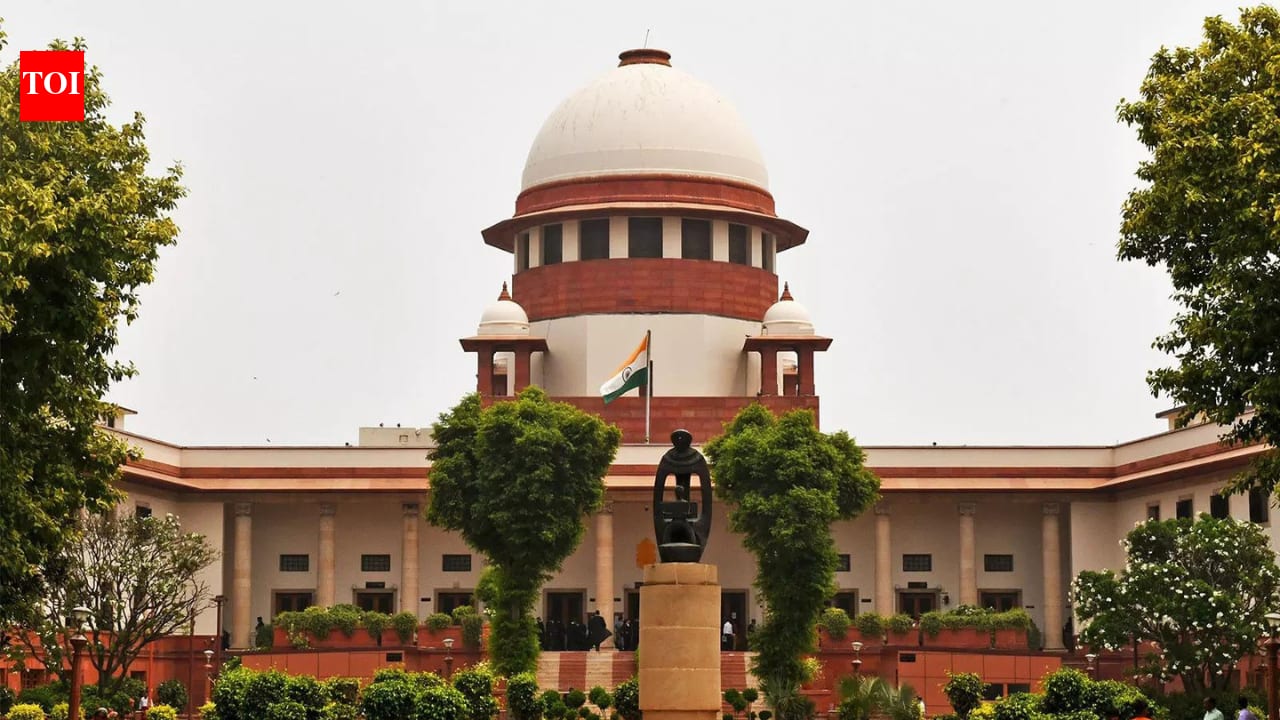
The Supreme Court has reprimanded a Greater Noida magistrate for issuing a notice to a law student participating in a peaceful protest. The court emphasized that this action violates its explicit pan-India directive prohibiting coercive measures against students.
Judicial Reprimand: The Supreme Court's Stance on Student Protests
The Supreme Court of India has taken a stern stance against judicial overreach following an incident in Greater Noida, where an executive magistrate issued a notice to a second-year law student. The student had been participating in a protest organized by the Cockroach Janata Party, an act that triggered an official response from local authorities. The Supreme Court, led by a bench under Chief Justice Surya Kant, expressed profound indignation at the magistrate's decision, questioning the audacity of local officials in disregarding clear judicial mandates.
The Violation of Judicial Directives
At the heart of this controversy is the Supreme Court's September 1 pan-India directive, which explicitly barred any coercive action against students involved in protests. By issuing a notice to the student, the Greater Noida magistrate effectively challenged the authority of the apex court. The bench emphasized that such actions are not merely administrative errors but represent a serious breach of constitutional discipline, as lower-level officials are bound by the orders set forth by the highest court in the land.
Implications for Student Activism
This incident highlights a growing tension between local administrative control and the fundamental right to protest. For students, the protection afforded by the Supreme Court is a vital safeguard against intimidation and the potential chilling effect that legal notices can have on academic and civic participation. By intervening, the Supreme Court has reaffirmed that the right to peaceful assembly remains a protected activity, even when directed by political entities like the Cockroach Janata Party.
Administrative Accountability
Although the notice in question was eventually withdrawn, the Supreme Court's scrutiny remains focused on the underlying conduct of the magistrate. The court's reaction—specifically the inquiry into how a magistrate could dare to violate a clear order—signals a push for greater accountability within the executive branch. It serves as a warning that local authorities cannot operate in a vacuum, ignoring broader judicial protections in favor of local administrative convenience.
Future Trends and Judicial Oversight
Looking forward, this case is likely to serve as a precedent for how future disputes regarding student protesters are handled. By taking immediate cognizance of the issue, the Supreme Court has demonstrated a proactive approach to protecting civil liberties. As the legal landscape evolves, such instances of judicial oversight will be critical in ensuring that administrative officers remain compliant with national standards of justice and respect for student rights.
Conclusion
In summary, the Supreme Court's intervention underscores the sanctity of its directives and the necessity for local officials to align their actions with constitutional protections. The reprimand of the Greater Noida magistrate serves as a crucial reminder that the judiciary remains the ultimate arbiter of rights, ensuring that students can exercise their democratic freedoms without the threat of unauthorized state coercion.