Stringent laws need safeguards
Source Entity
Latest News: Todays Latest News Headlines from India & World | Hindustan Times | Hindustan Times
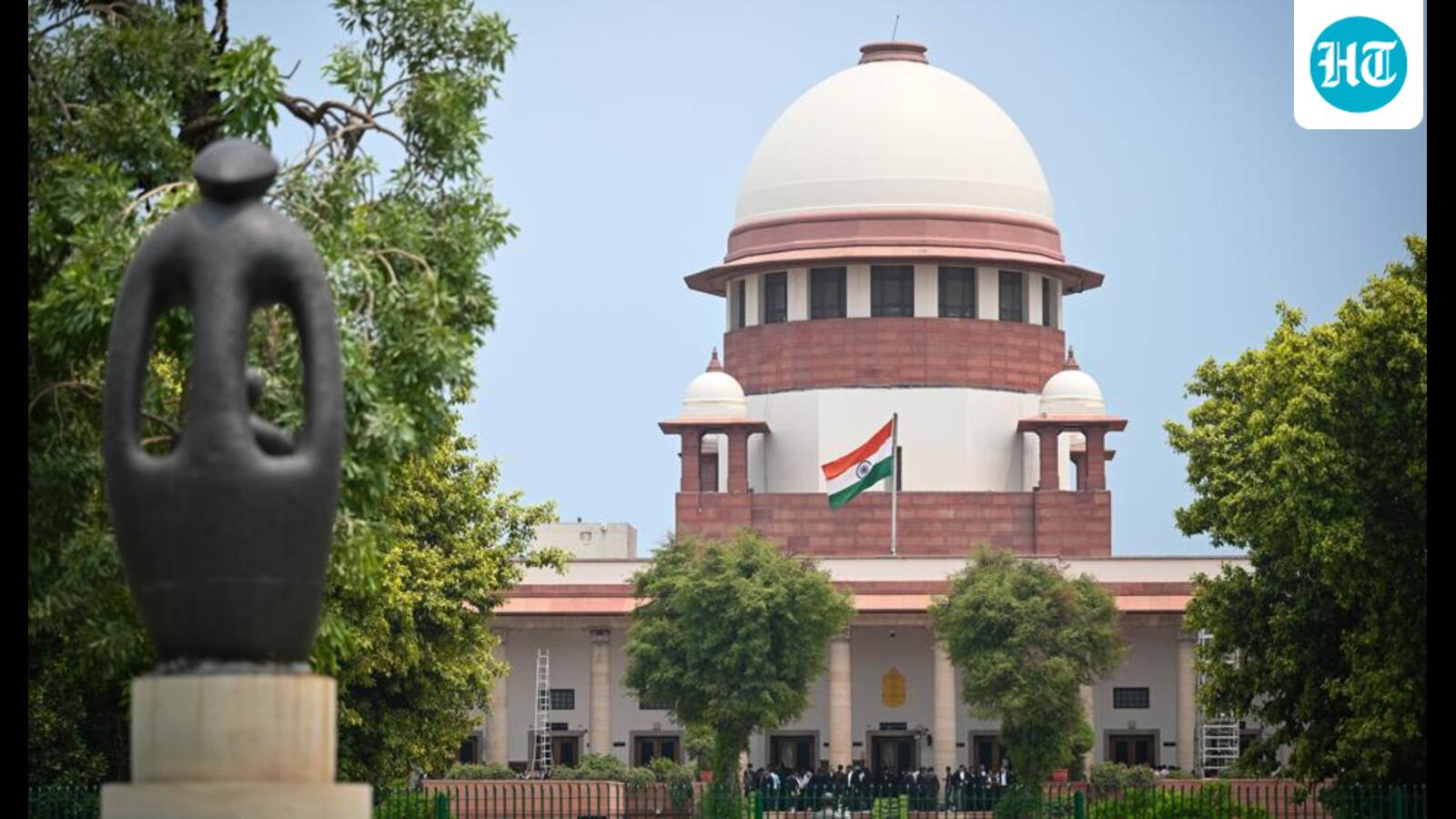
The Supreme Court has penalized the Uttar Pradesh government for misusing the National Security Act, emphasizing that preventive detention cannot replace due process. This ruling reinforces the necessity of judicial scrutiny when state authorities attempt to bypass standard legal procedures.
Judicial Intervention in Preventive Detention
The Supreme Court’s recent intervention regarding the National Security Act (NSA) in the context of the 2024 Sambhal mosque violence marks a critical juncture in Indian jurisprudence. By imposing a ₹10 lakh fine on the Uttar Pradesh government, the bench led by Justices Dipankar Datta and Sheel Nagu has sent a stern message: the state cannot utilize draconian preventive detention laws as a convenient substitute for established criminal procedure or as a shortcut to conviction.
The Erosion of Due Process
At the heart of this ruling is the misuse of preventive detention, a mechanism intended for extraordinary circumstances rather than routine law enforcement. The court observed that the detention order, issued in October 2025 by the Sambhal district magistrate, was fundamentally flawed because it relied exclusively on a custodial confession. By setting aside this order, the judiciary has reaffirmed the principle that a confession obtained while in custody lacks the legal weight to justify the further curtailment of personal liberty.
Heightened Scrutiny for Detainees
One of the most significant aspects of this judgment is the court's insistence on 'exacting' judicial scrutiny when preventive detention is applied to individuals who are already incarcerated. This legal logic dictates that if a person is already within the state’s custody, the necessity for a preventive order must be backed by evidence far more robust than mere suspicion or coerced statements. This protects the individual from the state’s tendency to stack charges when a standard case fails to hold.
Implications for State Authority
The imposition of a significant monetary penalty serves as a deterrent against the arbitrary exercise of power by district-level authorities. The court’s stance highlights a growing judicial concern that stringent laws, while necessary for national security, are increasingly becoming proxies for punitive action. This trend, if left unchecked, threatens to undermine the constitutional safeguards meant to protect citizens from state overreach.
Balancing Security and Liberty
Moving forward, the judiciary is clearly signaling that the 'security' in the National Security Act must not be used to bypass the 'liberty' guaranteed by the Constitution. The ruling suggests a future trend where courts will demand greater transparency and evidentiary support from the state in detention cases. This shift forces administrative bodies to adhere to higher standards of legal rigor, ensuring that the rule of law remains superior to administrative convenience.
Conclusion
In summary, the Supreme Court’s decision is a victory for civil liberties. By penalizing the misuse of the NSA, the judiciary has reinforced the necessity of due process even in high-tension scenarios like the Sambhal violence. This ruling serves as a vital precedent for protecting the rights of the accused against the potential weaponization of preventive detention laws.
Verification Required?