Supreme Court stays hanging of 2008 Gujarat serial blasts convict
Source Entity
TNN
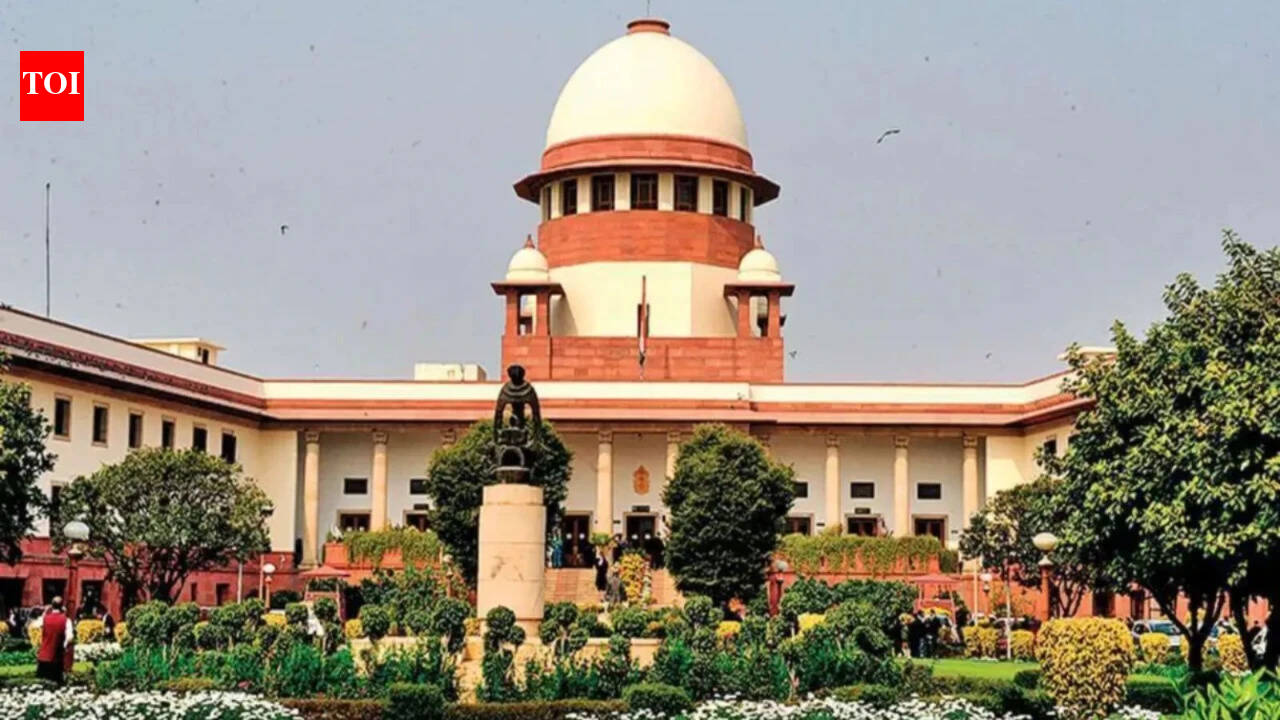
The Supreme Court of India has stayed the execution of a death row convict involved in the 2008 Gujarat serial blasts. The court has issued a notice to the state government and requested trial records for further examination.
Legal Intervention in the 2008 Gujarat Blast Case
The Supreme Court of India has recently intervened in the legal proceedings surrounding the 2008 Gujarat serial blasts by staying the execution of a death row convict. A bench comprising Justices Vikram Nath, A.G. Masih, and Sandeep Mehta issued a formal notice to the Gujarat state government, effectively halting the implementation of the capital punishment previously upheld by the Gujarat High Court.
Procedural Developments and Judicial Review
This stay represents a critical procedural step in the appellate process. By calling for the trial court records, the Supreme Court is signaling a comprehensive review of the evidence and the legal rationale that led to the initial sentencing. This ensures that the gravity of the 2008 terror attacks is balanced against the constitutional rights of the accused to exhaust all legal remedies, including the right to a fair and thorough appellate review.
Context of the 2008 Ahmedabad Blasts
The 2008 serial blasts in Ahmedabad remain a significant event in India's modern history of counter-terrorism efforts. The trial court's original decision to award the death penalty underscored the severity of the crimes, which involved widespread loss of life and public terror. The subsequent high court verdict, which confirmed the death sentence, reflected the judicial system's stance on perpetrators of large-scale violence.
Implications of the Stay
While the stay of execution is a standard judicial procedure in capital cases where appeals are pending, it carries profound implications for the legal discourse in India. It highlights the judiciary's commitment to maintaining a rigorous standard for the death penalty, ensuring that every factual and procedural element is scrutinized before such an irreversible punishment is carried out. The state government must now respond to the Supreme Court's notice, setting the stage for a detailed legal debate.
Future Legal Trajectory
The upcoming proceedings will focus on whether the trial and high court findings meet the threshold of 'rarest of rare' cases required for capital punishment under Indian law. As the Supreme Court examines the trial records, the defense and prosecution will present arguments regarding the convict's role and the legal validity of the previous judgments. This case underscores the complexity of balancing justice for victims of terror with the stringent protections afforded to all citizens under the Indian Constitution.
Conclusion
In summary, the Supreme Court's decision to stay the execution of the 2008 Gujarat blasts convict is a vital step in ensuring legal due process. By calling for trial records and issuing a notice to the state, the bench is ensuring that the final judgment adheres strictly to the law of the land. The case remains a focal point for understanding how the Indian judicial system manages the intersection of national security and fundamental human rights.