Supreme Court judges decline to meet parliamentary panel on one-nation, one-election
Source Entity
TNN
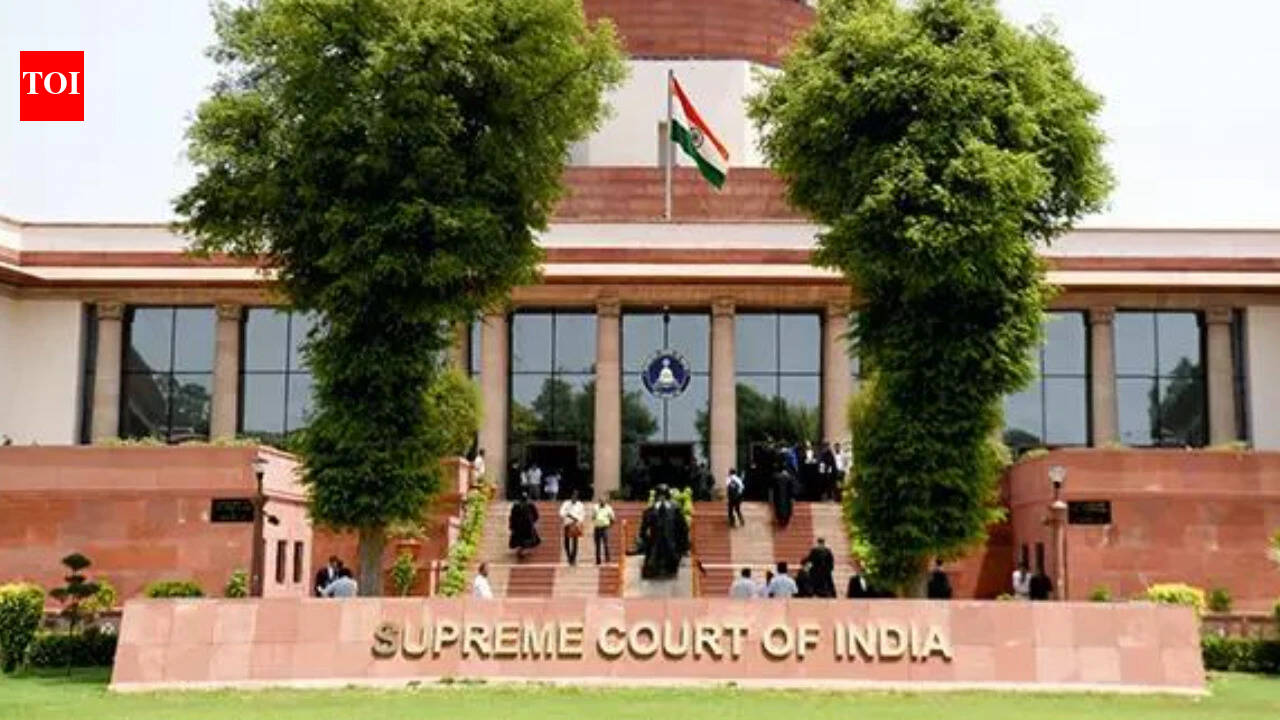
A parliamentary committee has cancelled a planned visit to the Supreme Court following Opposition concerns regarding the separation of powers. The visit, intended for the 'One Nation, One Election' bill review, faced scrutiny over potential institutional interference.
The Cancellation of the Parliamentary Visit to the Supreme Court
The Joint Parliamentary Committee (JPC) tasked with examining the 'One Nation, One Election' Bills has officially cancelled a scheduled visit to the Supreme Court, which was slated for October 6. This decision follows significant internal friction and external scrutiny regarding the nature of the engagement. Initially, the agenda circulated among committee members suggested an "informal discussion" with the Chief Justice of India and other judges concerning the proposed simultaneous election framework.
The Constitutional Conflict and Separation of Powers
The cancellation was prompted by strong objections from Opposition members of the committee. One Opposition MP formally challenged the visit, arguing that any interaction between the legislature and the judiciary regarding pending legislation could blur the delicate separation of powers. The core of the concern lies in the potential for such meetings to compromise the institutional independence of both branches of government. The Opposition maintained that the parliamentary role in framing laws must remain distinct and insulated from judicial influence, particularly while the constitutionality of the bill is under public and political debate.
Conflicting Narratives on the Cancellation
There is a notable discrepancy in the official explanations provided for the cancellation. While the Lok Sabha Secretariat issued a communication stating the visit was cancelled without providing a specific reason, committee chairman and BJP MP P.P. Chaudhary offered a different perspective. Mr. Chaudhary asserted that the visit was never intended for legislative discussion, but rather to familiarize committee members with the Supreme Court’s infrastructure, such as its library. He later attributed the cancellation to scheduling difficulties and personal commitments, attempting to downplay the political controversy surrounding the event.
The Legislative Context of 'One Nation, One Election'
The 'One Nation, One Election' bill, introduced in the Lok Sabha in December 2024, seeks to synchronize Lok Sabha and state assembly elections. This proposal is a cornerstone of the ruling government's agenda but has faced vehement opposition. Critics argue that the bill is fundamentally unconstitutional and threatens the federal structure of the country by undermining the autonomy of state assemblies. The intense scrutiny surrounding the committee's planned visit reflects the highly polarized environment in which this legislation is being debated.
Broader Implications for Indian Democracy
This incident highlights the sensitivity of institutional boundaries in Indian democracy. The parliamentary panel’s attempt to engage with the judiciary on a contested policy issue underscores the complexities of high-stakes legislative reform. By cancelling the visit, the committee has effectively acknowledged the necessity of maintaining a clear demarcation between the legislative process—which is currently in the committee review stage—and the judiciary, which may eventually be called upon to adjudicate the law's validity if it is passed.
Future Trends and Outlook
Looking ahead, the fallout from this cancellation suggests that the JPC will face continued challenges in navigating the legislative process for the 'One Nation, One Election' bill. The Opposition's success in stalling this visit indicates that they will continue to utilize institutional procedures to challenge the bill's advancement. As the committee proceeds, it will likely be forced to adopt more conventional methods of inquiry, avoiding any optics that suggest the judiciary is being consulted on political matters. The tension between the executive-led legislative agenda and the procedural objections of the Opposition remains a defining feature of the current parliamentary session.