Why Andy Burnham's about-turn on Manchester City matters
Source Entity
BBC News
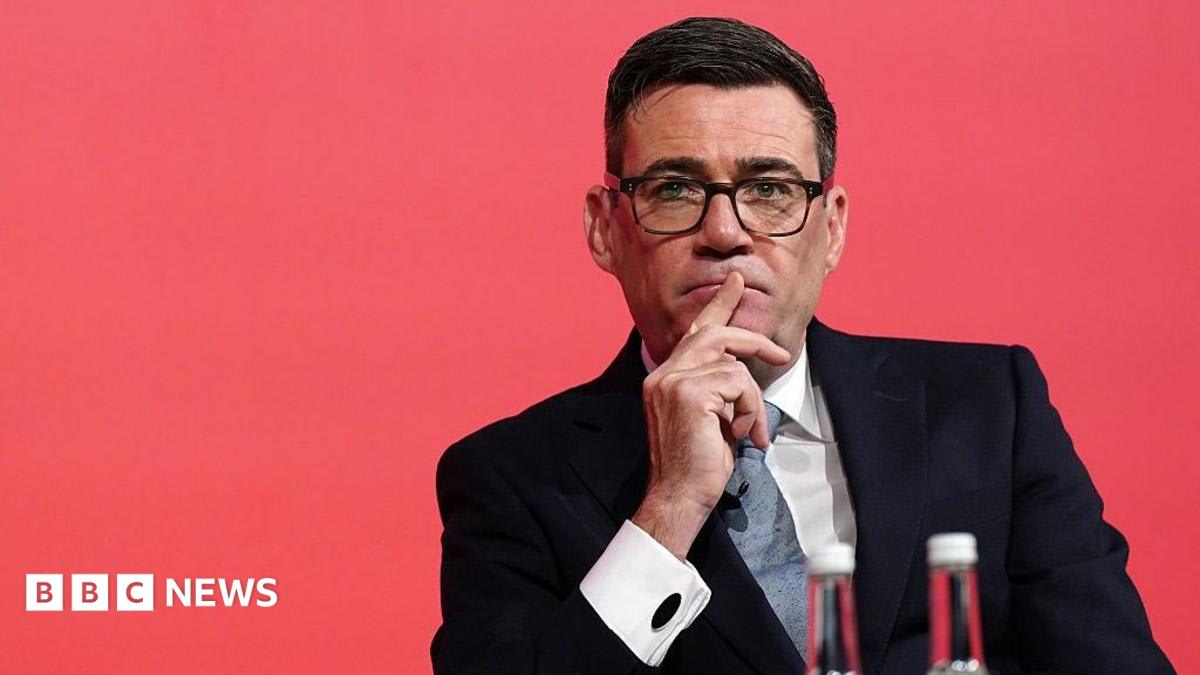
Prime Minister Andy Burnham faces backlash from the Conservatives after expressing concern over the potential sale of Manchester City following the club's 115 rule breaches. The situation highlights the intersection of local politics, global brand reputation, and the integrity of the Premier League.
The Intersection of Governance and Football
The recent discourse surrounding Manchester City’s financial misconduct has transcended the realm of sports, evolving into a significant political flashpoint. Prime Minister Andy Burnham’s assertion that he would be "really concerned" regarding the potential exit of the club’s owners has ignited a firestorm of criticism from the Conservative Party, who have labeled his stance as "completely out of touch." This friction underscores the delicate balance a political leader must maintain when the interests of a major regional institution clash with the rigorous application of regulatory standards.
The Gravity of the 115 Charges
At the heart of this controversy lies an independent commission’s finding that Manchester City committed 115 breaches of Premier League rules. Among the most damaging revelations are the allegations of "sham contracts" designed to disguise over £830 million in secret funding. This systemic manipulation, occurring over nearly a decade, represents a profound challenge to the integrity of English football. With the club currently preparing an appeal against these findings, the legal and financial stakes remain unprecedented in the history of the sport.
Political Optics and the "Mr. Manchester" Persona
Andy Burnham has long cultivated an image as a champion of his region, often referred to as "Mr. Manchester." By intervening with public comments on the ownership of a local football giant, he has invited scrutiny over whether his personal affinity for the club is clouding his duties as Prime Minister. The Conservatives argue that his sympathy for the owners ignores the public sentiment, which increasingly demands accountability for the systematic rule-breaking that has arguably distorted the competitive landscape of the Premier League.
Global Brand Implications
The Premier League is not merely a domestic sports competition; it is a colossal global brand that serves as a cornerstone of the UK’s soft power. When a club of City’s stature is found to have engaged in long-term financial obfuscation, it reflects poorly on the regulatory framework of the nation. The Prime Minister’s comments are significant because they suggest that the government views the stability of these ownership structures as a matter of national importance, potentially prioritizing economic continuity over the enforcement of sporting regulations.
Future Trends and Regulatory Precedent
Looking ahead, this event marks a turning point for football governance. The tension between political leaders and sports regulators is likely to intensify as the Premier League attempts to assert its authority. If the commission's findings are upheld, the precedent set will fundamentally alter how clubs manage commercial partnerships and financial transparency. Furthermore, the political fallout from this situation suggests that future leaders may be more cautious about weighing in on private corporate disputes, lest they be accused of prioritizing political optics over legal accountability.
Conclusion
The confrontation between the Prime Minister and the opposition serves as a microcosm of the broader challenges facing modern governance in the age of globalized sports ownership. As Manchester City prepares its appeal, the nation watches not just for the outcome of the case, but for how the government navigates the competing interests of regional identity, financial regulation, and the preservation of the UK’s global image.