'We don't have helicopters': Muslim side alleges namaz site too far from Bhojshala
Source Entity
TOI NEWS DESK
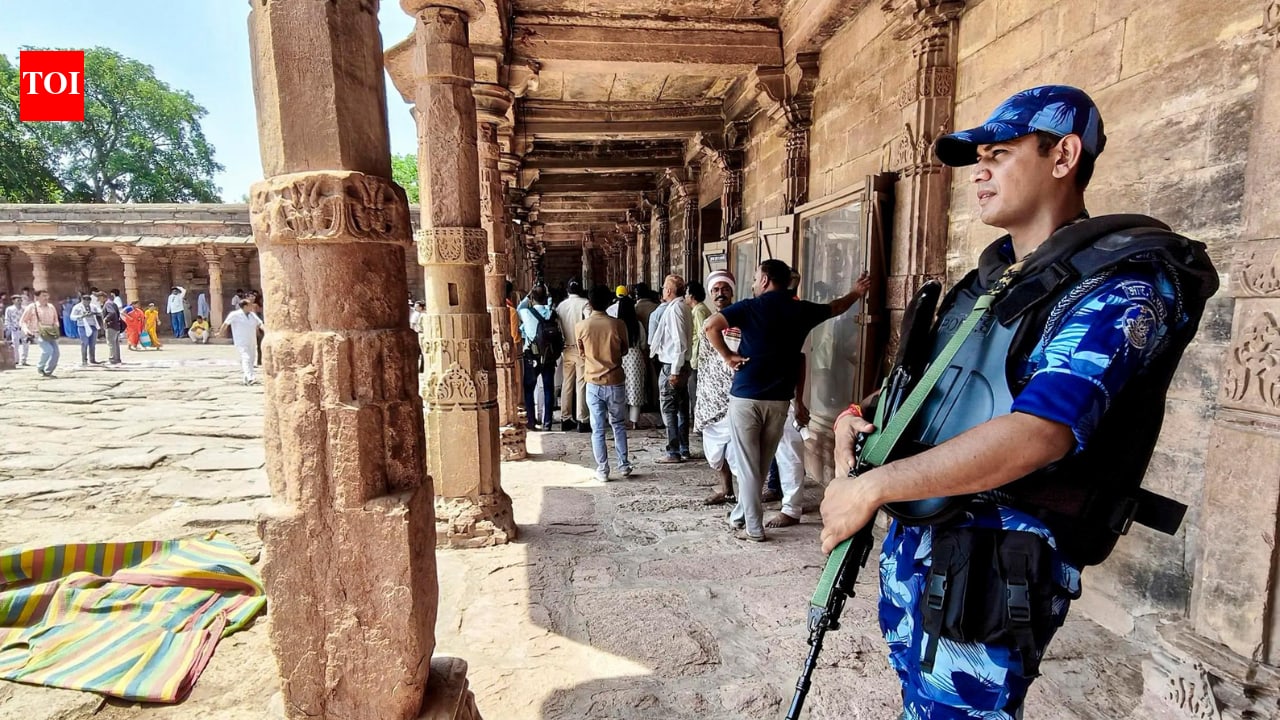
The Supreme Court will hear a plea on July 29 regarding the Muslim community's access to prayer sites near the Bhojshala complex. The petitioners claim the current allocated location is too distant, failing to meet previous judicial directives.
Legal Dispute Over Bhojshala Prayer Access
The ongoing legal contention surrounding the Bhojshala complex in Dhar, Madhya Pradesh, has reached the Supreme Court, highlighting the complexities of managing historical sites that hold dual religious significance. On Friday, the Supreme Court scheduled a hearing for July 29 to address grievances raised by the Muslim community concerning the accessibility of designated prayer sites.
The Core Allegation: Distance and Compliance
At the heart of the current dispute is the claim that the Madhya Pradesh government has failed to adhere to previous judicial directives regarding the allocation of an 'adjacent or nearby' site for Friday namaz. Counsel for the Muslim side, represented by senior advocate Huzefa Ahmadi, emphasized that the current alternative site is located 1.3 kilometers away. The petitioners argue this distance is unreasonable and effectively prevents the community from fulfilling their religious obligations, noting that two consecutive Friday prayers have already been missed due to these logistical constraints.
Historical and Communal Context
The Bhojshala complex has long been a flashpoint for communal tension, as it is viewed by different groups as either a mosque or a temple. This historical sensitivity necessitates careful management by local authorities. The Supreme Court's involvement underscores the judiciary's role in balancing religious freedom with the maintenance of public order and the preservation of archaeological sites.
Judicial Oversight and Implementation
The court's decision to intervene suggests a need for stricter oversight regarding the implementation of its prior orders. By specifying that a site should be 'adjacent or near' the disputed complex, the court had intended to minimize the burden on the local Muslim population. The allegation that authorities have failed to meet this standard raises questions about the execution of administrative mandates in highly sensitive regions.
Broader Implications for Religious Sites
This case serves as a microcosm of the broader challenges faced by Indian authorities in governing sites of contested heritage. When administrative decisions regarding space allocation are perceived as exclusionary, it often leads to legal escalation. The outcome of the July 29 hearing will likely set a precedent for how similar disputes are managed, emphasizing the necessity for clear, fair, and accessible arrangements that respect the rights of all stakeholders involved.
Concluding Summary
As the July 29 hearing approaches, the focus remains on whether the Madhya Pradesh government can provide a more suitable location that aligns with the spirit of the Supreme Court's original instructions. The resolution of this matter is critical not only for the immediate needs of the local community but also for the continued stability and peaceful management of the Bhojshala site.