After July 7 deluge, one billion litre water pumped out of Surat basements
Source Entity
Kamal Saiyed
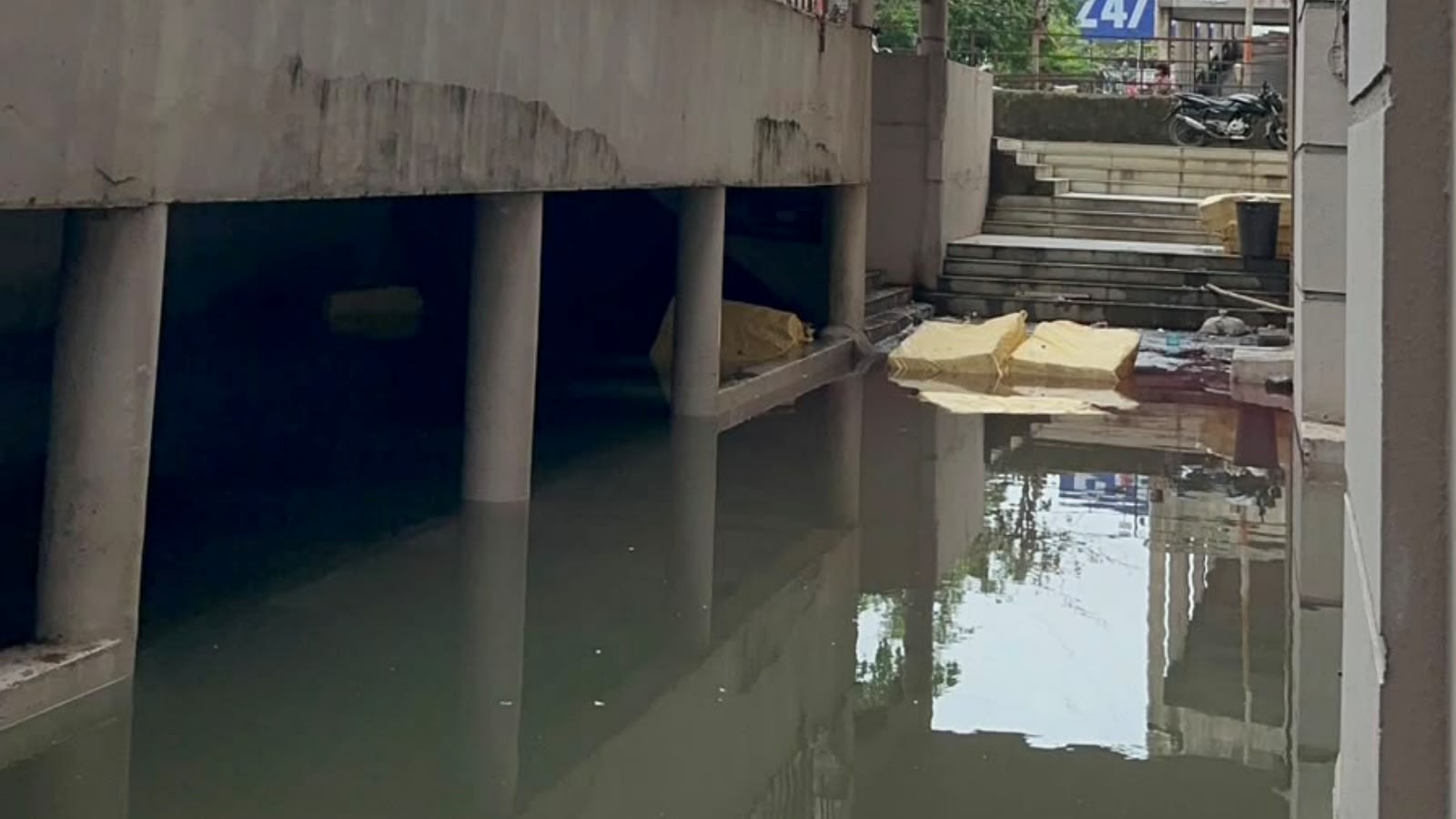
Following a severe deluge on July 7 that saw Surat record up to 14.5 inches of rainfall, over 1.1 billion litres of water were pumped out of basements in high-rise apartments and commercial complexes to mitigate urban flooding damage.
Urban Crisis: Analyzing the July 7 Deluge in Surat
On July 7, the city of Surat experienced a catastrophic weather event, recording an extraordinary 14.5 inches of rainfall. This sudden and intense deluge overwhelmed the city's drainage capacity, leading to severe waterlogging across various sectors. The most critical impact was felt in the subterranean levels of the city's modern infrastructure, where over 1.1 billion litres of water had to be pumped out of the basements of high-rise residential apartments and commercial complexes. This event underscores the precarious balance between rapid urban expansion and the capacity of municipal infrastructure to handle extreme meteorological events.
The Infrastructure Challenge: The 'Basement Trap'
The scale of the recovery operation—removing 1.1 billion litres of water—highlights a systemic vulnerability in modern urban architecture. High-rise developments and commercial hubs in Surat heavily rely on basements for parking and essential utility housing. When an extreme rain event occurs, these low-lying areas act as natural collection basins for surface runoff. The sheer volume of water indicates that the city's primary storm-water drains were likely incapacitated, forcing water to seep into the lowest available points. This creates a secondary crisis: the risk of structural damage to building foundations and the potential for electrical hazards as basement-level power panels are submerged.
Logistical Hurdles in Water Extraction
Removing over a billion litres of water is not a simple task; it requires a massive coordination of high-capacity industrial pumps and continuous manpower. The effort to clear these basements involves not just the removal of water, but the management of the displaced fluid to ensure that pumping water out of one building does not inadvertently flood a neighboring property or further clog the street-level drains. This logistical nightmare illustrates the gap between private luxury development (high-rises) and public infrastructure (drainage), where the former becomes dependent on the latter's efficiency to remain functional.
Climate Trends and Urban Resilience
This event is not an isolated incident but fits into a broader pattern of increasing 'extreme precipitation events' seen across urban India. As climate change alters monsoon patterns, cities are witnessing shorter, more intense bursts of rain rather than steady showers. For a city like Surat, which is situated near the coast and prone to tidal influences, such heavy rainfall can lead to a 'backflow' effect where drainage systems cannot discharge water into the sea or rivers, exacerbating the flooding in basements. The July 7 event serves as a stark warning that current urban planning norms may no longer be sufficient for the new climatic reality.
Future Implications for Urban Planning
Moving forward, this incident necessitates a paradigm shift in how Surat and similar Indian cities approach urban drainage. There is an urgent need for the implementation of 'Sponge City' concepts—incorporating permeable pavements, urban wetlands, and larger underground holding tanks to absorb excess rain. Furthermore, building codes for high-rises may need to be revised to mandate more robust flood-proofing for basements, including the installation of automatic sump pumps and waterproof sealing to prevent the massive influx of water witnessed during this deluge.
Conclusion
The pumping of 1.1 billion litres of water from Surat's basements is a testament to the city's resilience and recovery efforts, but it also exposes a critical fragility in its urban design. While the immediate crisis has been managed, the event highlights the necessity of integrating climate-resilient infrastructure into the city's growth strategy. Without a comprehensive overhaul of the drainage ecosystem, the city remains vulnerable to the increasing volatility of the monsoon season.