‘Please help…’: After Surat woman’s viral video, stranded Kedarnath pilgrims airlifted
Source Entity
The Indian Express
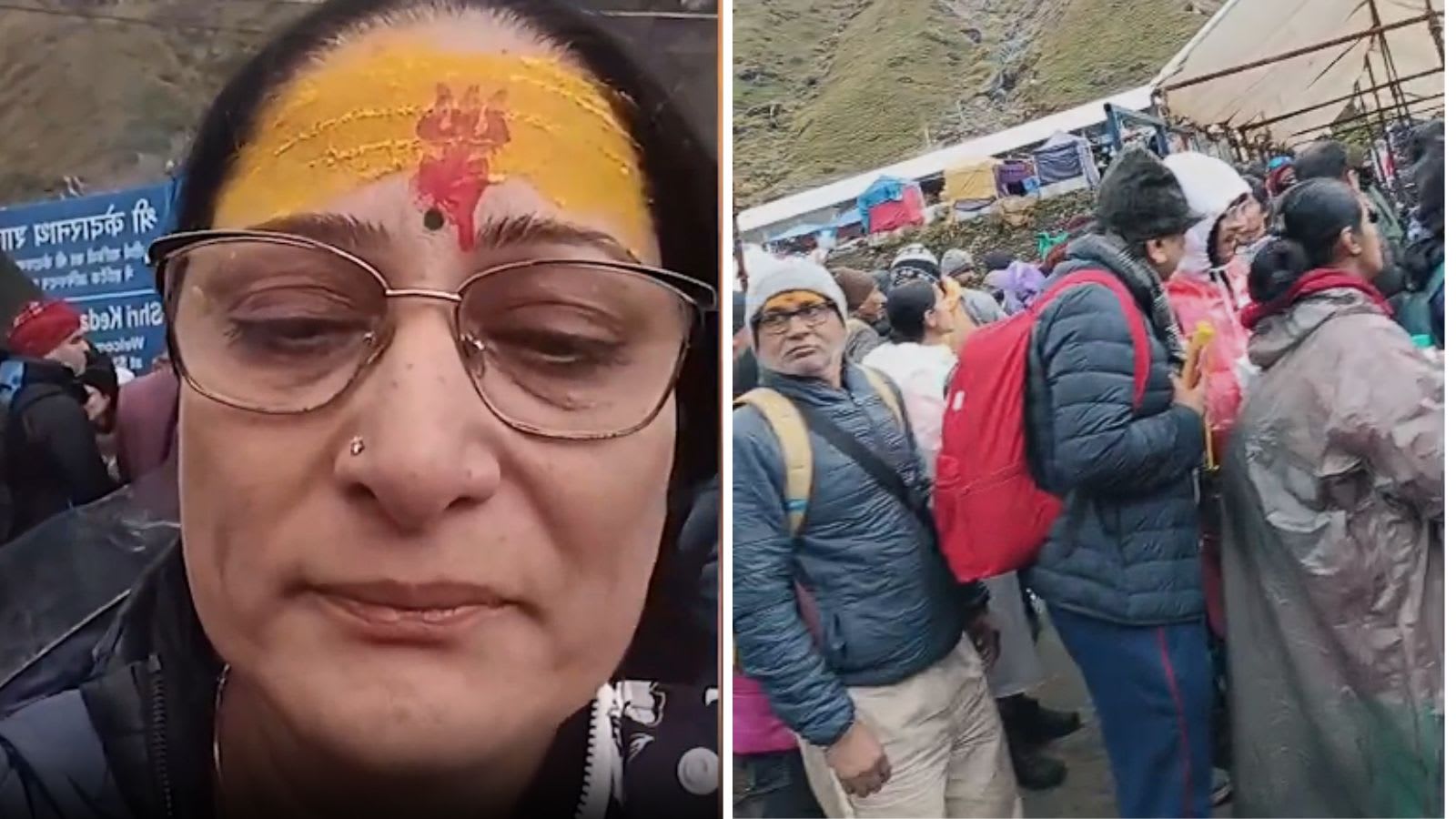
A group of 14 pilgrims from Gujarat, including Ranjanben Panchal, were successfully rescued from Kedarnath after heavy rains caused landslides. The rescue was initiated following a viral social media plea from Panchal, which prompted Uttarakhand authorities to airlift the stranded group.
The Power of Digital Advocacy in Disaster Relief
The recent rescue of 14 pilgrims from Gujarat in the Kedarnath region highlights a transformative shift in disaster management, where social media has evolved from a communication tool into a critical lifeline. When Ranjanben Panchal, a 52-year-old pilgrim from Surat, recorded a video detailing the group's isolation due to heavy rainfall and subsequent landslides, she bypassed traditional distress reporting channels to reach a wider audience. This viral appeal effectively forced a rapid response from administrative authorities, demonstrating how digital visibility can accelerate rescue operations in high-altitude terrain.
Challenges of High-Altitude Disaster Management
Kedarnath is geographically notorious for its extreme weather volatility and rugged, inaccessible terrain. The incident involving the 14 stranded pilgrims underscores the inherent risks associated with the Char Dham Yatra during monsoon seasons. Landslides frequently sever road connectivity, leaving thousands vulnerable to the elements. The rescue operation, which necessitated the use of helicopters, highlights the extreme logistical constraints faced by Uttarakhand authorities when ground-based aid is rendered impossible by debris and torrential rain.
The Intersection of Citizen Journalism and Governance
This incident serves as a modern case study in the intersection of citizen journalism and state accountability. By documenting the plight of not only herself but also the surrounding pilgrims, Panchal utilized her platform to force a systemic response. The fact that the rescue followed immediately after the video gained traction suggests that social media monitoring has become an unofficial, yet vital, component of contemporary disaster response protocols in India.
Broader Implications for Pilgrimage Safety
As the popularity of the Kedarnath pilgrimage continues to surge, the infrastructure supporting these treks faces unprecedented pressure. This event raises critical questions regarding the preparedness of local authorities to handle sudden surges in stranded populations. The reliance on airlifting as a primary rescue method is both expensive and weather-dependent, suggesting that future policy must focus on better real-time weather warnings and more robust communication networks in remote mountain corridors.
Future Trends in Disaster Response
Looking ahead, it is likely that authorities will integrate more sophisticated AI-driven social media monitoring tools to detect distress signals in real-time. The success of this specific operation will likely encourage pilgrims to utilize digital platforms to report dangers, creating a more responsive, albeit reactive, safety net. However, the reliance on such tools must be balanced with proactive infrastructure improvements to ensure that pilgrims are not left in situations where a viral video is their only hope for survival.
Concluding Summary
The rescue of the 14 pilgrims from Gujarat serves as a testament to the urgency of disaster management in the Himalayas. While the deployment of air assets was the definitive factor in their survival, the role of social media in catalyzing the state's response cannot be overlooked. Moving forward, the challenge for Indian authorities lies in bridging the gap between digital advocacy and physical preparedness to ensure the safety of all devotees undertaking this arduous pilgrimage.