Absconding accused in Sai Krishna alleged custodial death case surrenders before SIT
Source Entity
India Latest News: Top National Headlines Today & Breaking News | The Hindu
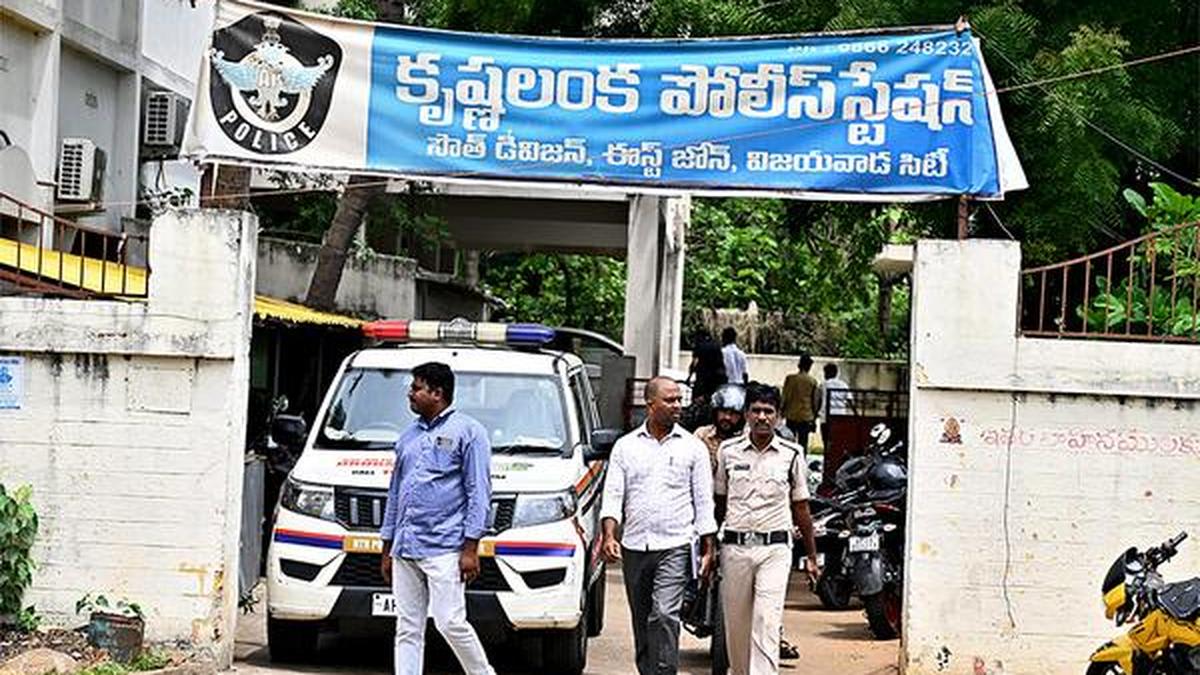
Suresh, an associate of the suspended Circle Inspector in the Gade Sai Krishna custodial death case, has surrendered to the SIT. His arrest marks a significant progression in the investigation into the disappearance and death of the 25-year-old victim.
The Surrender of a Key Suspect in the Sai Krishna Custodial Case
The surrender of Suresh, identified as accused number four, before the Special Investigation Team (SIT) on September 17, 2026, marks a pivotal moment in the ongoing judicial and criminal investigation into the alleged custodial death of 25-year-old Gade Sai Krishna. Suresh, who had been evading authorities for several months, is central to the narrative due to his documented proximity to the suspended Krishnalanka Circle Inspector, S.S.V.V. Nagaraju. This development offers a critical breakthrough for investigators tasked with untangling the events that transpired following Sai Krishna’s disappearance on May 9.
Contextualizing the Allegations
The case gained significant legal traction after G. Vijaya Lakshmi, the mother of the victim, filed a habeas corpus petition in the High Court. This legal maneuver brought much-needed scrutiny to the actions of the Krishnalanka police station. The initial disappearance of a young man taken into custody by law enforcement prompted immediate public outcry and institutional pressure, leading to the suspension of Inspector Nagaraju and the subsequent formation of the SIT to ensure an impartial probe into the allegations of custodial malpractice.
The Anatomy of the Investigation
The SIT’s investigation has been methodical, targeting the hierarchy within the Krishnalanka police station. Prior to Suresh’s surrender, the team had already successfully apprehended Inspector Nagaraju, four constables, and a home guard. The inclusion of these personnel suggests a systemic investigation into the operational environment of the station during the time of the incident. Suresh’s role as a 'close associate' of the primary accused inspector provides the SIT with a potential bridge to understand the chain of command and the specific sequence of events that led to the victim’s alleged death.
Broader Implications for Law Enforcement
This case serves as a stark reminder of the legal and ethical responsibilities of police personnel during detention. Custodial deaths remain a sensitive and high-priority issue in the Indian judicial system, often triggering intense debates regarding human rights and the necessity of police reforms. The surrender of a long-term fugitive highlights the effectiveness of the SIT’s pressure tactics and the persistent nature of the investigation, which aims to provide accountability for the victim’s family and restore public trust in local law enforcement.
Looking Ahead
As the SIT continues its interrogation of the accused, the focus will likely shift toward gathering corroborative evidence to support the charges filed in the habeas corpus proceedings. The judicial process will now enter a more rigorous phase where the testimonies of the arrested personnel, including Suresh, will be cross-referenced against forensic findings and witness accounts. The outcome of this case will likely set a precedent for how custodial allegations are handled within the region, emphasizing that even those who abscond cannot indefinitely escape the reach of judicial accountability.
Verification Required?