Suspected Pakistani drone recovered near International Border in J&K's Samba
Source Entity
ABHISHEK MISHRA
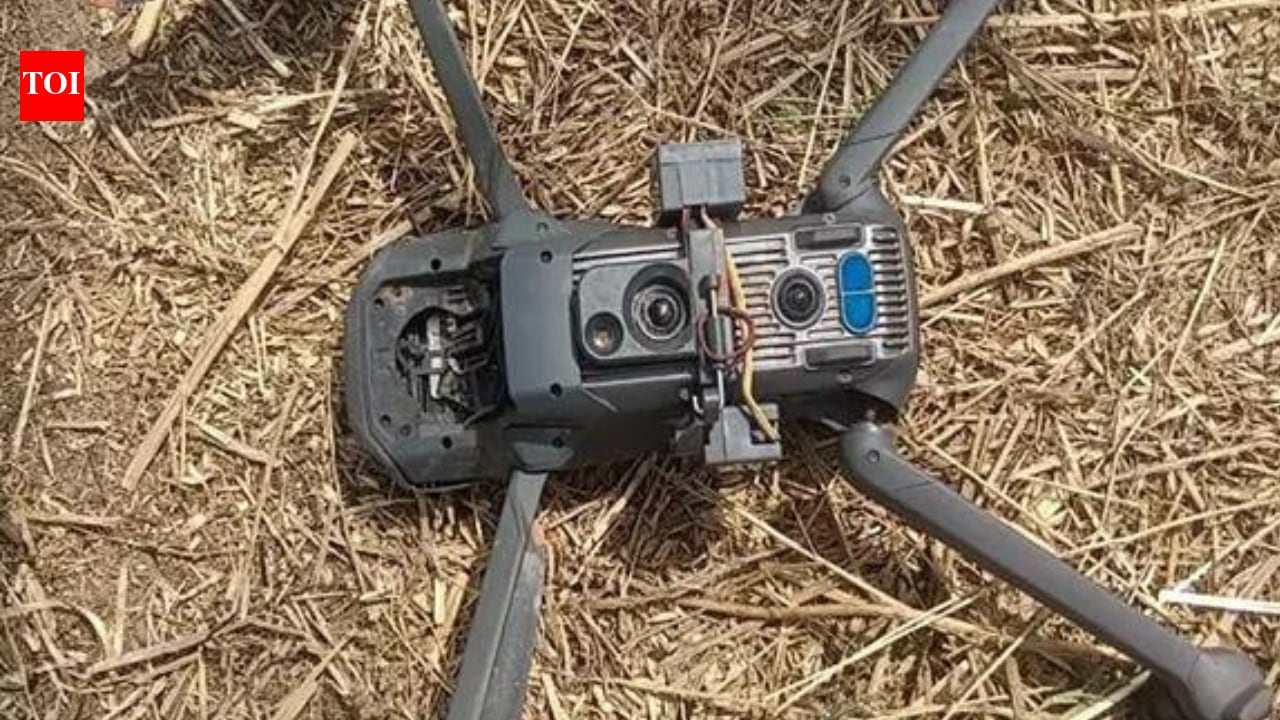
Authorities in Samba, Jammu and Kashmir, have recovered a suspected Pakistani drone near the International Border. Investigations are currently underway to determine the drone's origin and intended purpose.
Security Breach at the International Border
The recovery of a suspected Pakistani drone near the International Border in the Samba district of Jammu and Kashmir marks a recurring and significant challenge for Indian border security forces. These unmanned aerial vehicles (UAVs) have become a preferred tool for cross-border actors, facilitating the illicit transport of contraband, narcotics, and weaponry into Indian territory. The detection of this device underscores the persistent tactical shift toward aerial infiltration methods that bypass traditional ground-level surveillance.
The Technological Challenge of Drone Warfare
The utilization of drones by non-state actors presents a complex technological hurdle for the Border Security Force (BSF). Unlike conventional border incursions, small-scale drones are difficult to track on standard radar systems due to their low flight altitude and minimal radar cross-section. This incident in Samba highlights the ongoing arms race between border security agencies, who are increasingly deploying anti-drone technologies, and those attempting to exploit gaps in aerial monitoring.
Strategic Implications for Regional Stability
Beyond the immediate tactical recovery, this event carries broader implications for the fragile security environment along the International Border. The use of drones is often viewed as a form of 'gray zone' warfare, designed to destabilize local regions without triggering full-scale conflict. By continuously probing the border, these efforts aim to test response times and identify operational weaknesses in the security grid, forcing defense personnel to remain in a state of perpetual high alert.
Historical Context of Aerial Infiltration
Historically, the Jammu and Kashmir border has been a focal point for infiltration attempts. While ground-based smuggling routes have been heavily fortified over the decades, the advent of affordable, high-end consumer drone technology has effectively rendered those traditional physical barriers less comprehensive. The shift to the skies represents an evolution in tactics that mirrors global trends in asymmetric warfare, where low-cost hardware is used to exert significant pressure on state-level security apparatuses.
Future Trends and Security Outlook
Looking forward, the frequency of such sightings suggests that the deployment of drone technology will likely continue as a primary method for border disruption. To counter this, the focus of Indian security policy will inevitably pivot toward the integration of more sophisticated electronic warfare suites, including localized jamming capabilities and AI-driven detection systems. The long-term security of the Samba sector and surrounding areas will depend heavily on the ability to neutralize these aerial threats before they can reach their intended drop zones, ensuring that the border remains a secure perimeter against both physical and technological incursions.