Suvendu claims Mamata responsible for deletion of 27 lakh names in Bengal SIR, not BJP or ECI
Source Entity
India Latest News: Top National Headlines Today & Breaking News | The Hindu
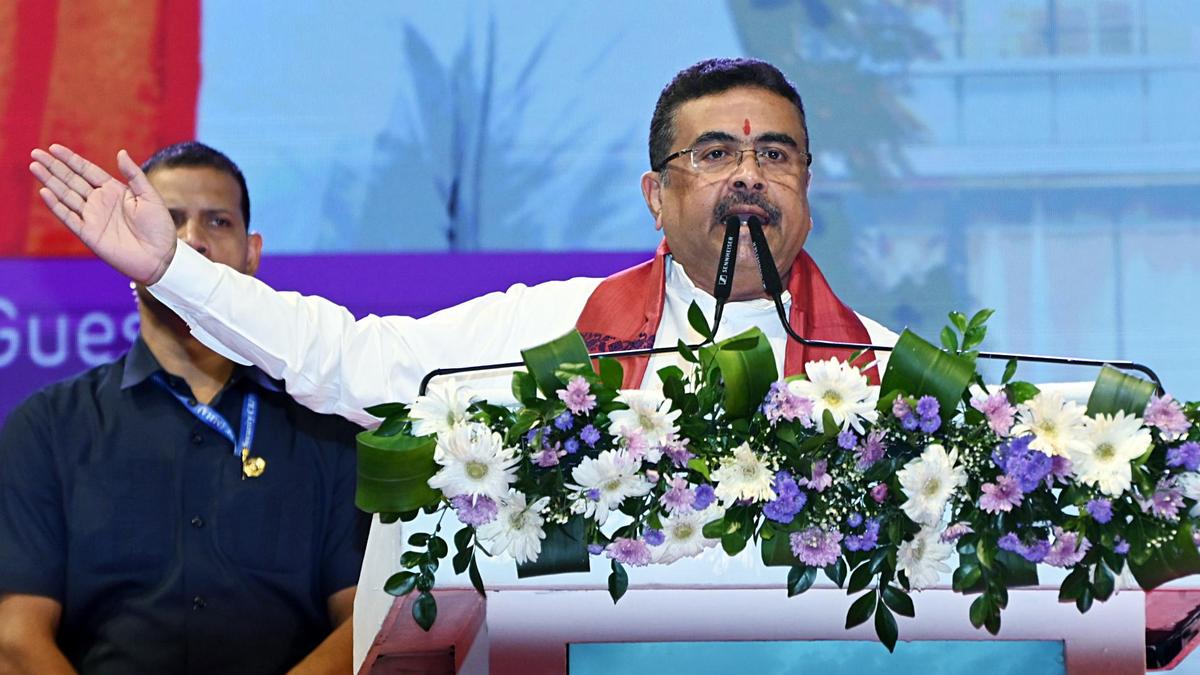
West Bengal CM Suvendu Adhikari has blamed Mamata Banerjee for the deletion of 27 lakh names from electoral rolls, citing Supreme Court-mandated judicial oversight. Meanwhile, Samajwadi Party leader Akhilesh Yadav has separately accused the Election Commission of systematic voter suppression.
The Controversy Over Electoral Roll Revisions
West Bengal Chief Minister Suvendu Adhikari has ignited a fresh political firestorm by holding his predecessor, Mamata Banerjee, directly responsible for the removal of 27 lakh names from the state’s electoral rolls during the Special Intensive Revision (SIR). Adhikari asserts that these deletions were not the result of partisan maneuvering by the BJP or administrative overreach by the Election Commission (ECI), but rather the outcome of a judicial process initiated by Banerjee herself.
The Judicial Connection
According to Adhikari, the legal architecture for these removals stems from a case previously filed by Mamata Banerjee. He maintains that the Supreme Court provided specific directions regarding the purification of electoral rolls, which were subsequently executed by judicial officers. By framing the deletions as a direct consequence of a legal path pursued by the former Chief Minister, Adhikari is attempting to neutralize claims that the ECI acted with political bias against opposition voters.
Political Backlash and Deflection
Adhikari’s comments arrive during a period of intense political friction in West Bengal. He characterizes the current outcry from the opposition as a strategic attempt to shift the narrative following electoral losses. By attributing the deletions to a court-ordered mandate, the Chief Minister seeks to undermine the credibility of those accusing the current administration of disenfranchisement, suggesting that the former government’s own legal actions have led to these electoral consequences.
National Context: The Broader Allegations
This controversy is not isolated to West Bengal. Parallel to these events, Samajwadi Party leader Akhilesh Yadav has leveled similar accusations against the Election Commission at the national level. Yadav alleges that the ECI and local officials colluded to deliberately delete Samajwadi Party votes in the 2022 elections, building upon grievances dating back to the 2019 polls. His claims highlight a growing national discourse regarding the transparency and integrity of voter roll management.
Implications for Democratic Processes
These concurrent accusations underscore a deepening crisis of confidence in electoral administration. Whether the deletions are the result of court-ordered purification or administrative malpractice, the political fallout suggests that the electoral roll remains a critical battleground. The trend of questioning the ECI’s impartiality is likely to continue as political parties increasingly view voter list management as a decisive factor in electoral outcomes.
Future Trends in Election Integrity
As these debates intensify, the pressure on the Election Commission to demonstrate absolute neutrality is mounting. The interplay between judicial mandates and administrative execution will likely become a focal point of future legal challenges. Moving forward, we can expect increased scrutiny of the Special Intensive Revision (SIR) process, with political actors using every available avenue—from public rhetoric to judicial petitions—to ensure their voter bases remain intact.
Verification Required?