Taiwan's AI-fueled forecast of 11% GDP growth likely not sustainable, economists say
Source Entity
US Top News and Analysis
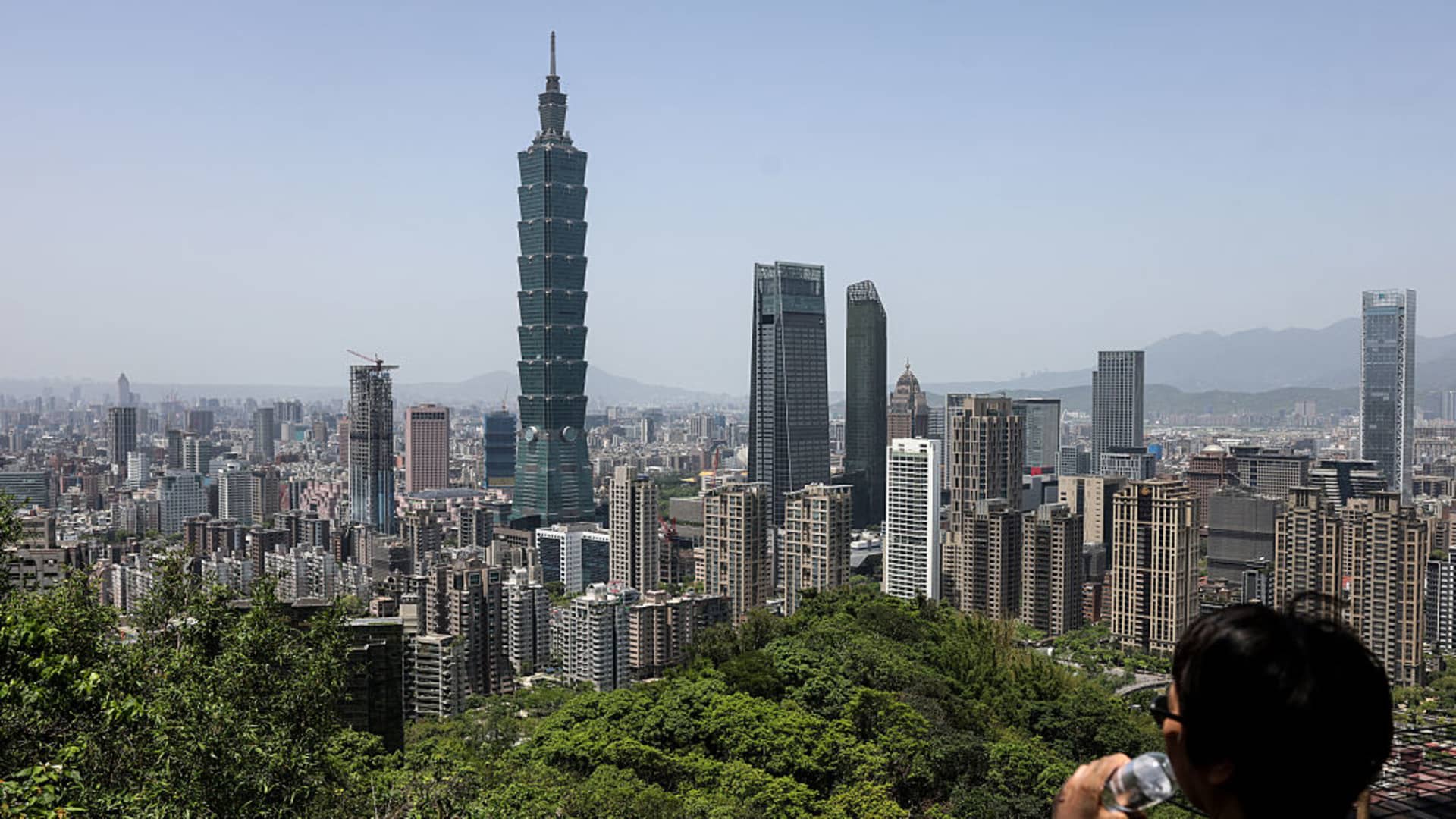
Taiwan's official 11% GDP growth forecast, driven by an AI-fueled tech boom, faces skepticism from economists. Experts warn that heavy reliance on the semiconductor sector and potential global macroeconomic risks may limit long-term sustainability.
The AI-Driven Surge: Taiwan's Economic Outlook
Taiwan’s recent economic trajectory has been nothing short of extraordinary, marked by a revised GDP growth forecast of 11.05% for the year, up from an earlier estimate of 9.64%. This bullish outlook is largely anchored in the global explosion of artificial intelligence demand, which has positioned Taiwan’s tech sector as the engine of its national economy. The performance of the weighted stock index, which has surged over 56% year-to-date, serves as a testament to the market's intense focus on Taiwanese hardware, particularly the semiconductors that underpin the global AI infrastructure.
The Semiconductor Concentration Dilemma
While the current growth metrics are impressive, they highlight a critical structural vulnerability: extreme concentration in the semiconductor industry. Taiwan’s economic health is disproportionately tied to the performance of a few key tech giants and the global chip market. While this specialization has allowed the country to dominate the hardware supply chain, it also creates a high-stakes environment where any shift in global tech demand or supply chain disruptions could have outsized consequences on the national GDP.
Risks of Capex Slowdown
Economists have begun to sound notes of caution regarding the sustainability of this double-digit growth. A primary concern is the potential for a capital expenditure (capex) slowdown. Large-scale investments in AI infrastructure are inherently cyclical; once the initial phase of data center build-outs and hardware procurement reaches a saturation point, the massive cash inflows currently driving Taiwan’s growth may begin to taper. If global tech firms pull back on spending, the impact on Taiwan’s manufacturing sector would be immediate and profound.
Macroeconomic Headwinds and Global Volatility
Beyond domestic industry dynamics, Taiwan remains highly susceptible to broader macroeconomic downturns. As a major export-oriented economy, Taiwan’s prosperity is inextricably linked to the health of its primary trading partners. Inflationary pressures, fluctuating interest rates, and geopolitical tensions that impact global trade routes represent significant risks. If the global economy enters a cooling period, the high-growth trajectory currently envisioned by government forecasters may struggle to materialize.
Future Trends and Sustainability
Looking toward 2026 and beyond, the consensus among analysts is that while AI remains a powerful driver, growth is likely to moderate. The transition from an explosive, speculative boom to a more sustainable, steady-state growth pattern is expected as the market matures. The challenge for policymakers will be to diversify the industrial base to mitigate the risks associated with semiconductor concentration while maintaining the technological edge that has made Taiwan a focal point of the global economy.
Conclusion
In summary, while Taiwan's 11% GDP forecast reflects a period of unprecedented success fueled by the global AI revolution, it is not without significant risks. The combination of industry concentration, the potential for a global capex slowdown, and wider macroeconomic uncertainties suggest that while the current outlook is strong, maintaining this pace will be an uphill battle. Future economic stability will depend on managing these dependencies and preparing for the inevitable normalization of market cycles.