'Speak impeccable Tamil' vs 'have my own style': Grammar jibes set off row in TN assembly
Source Entity
TOI NEWS DESK
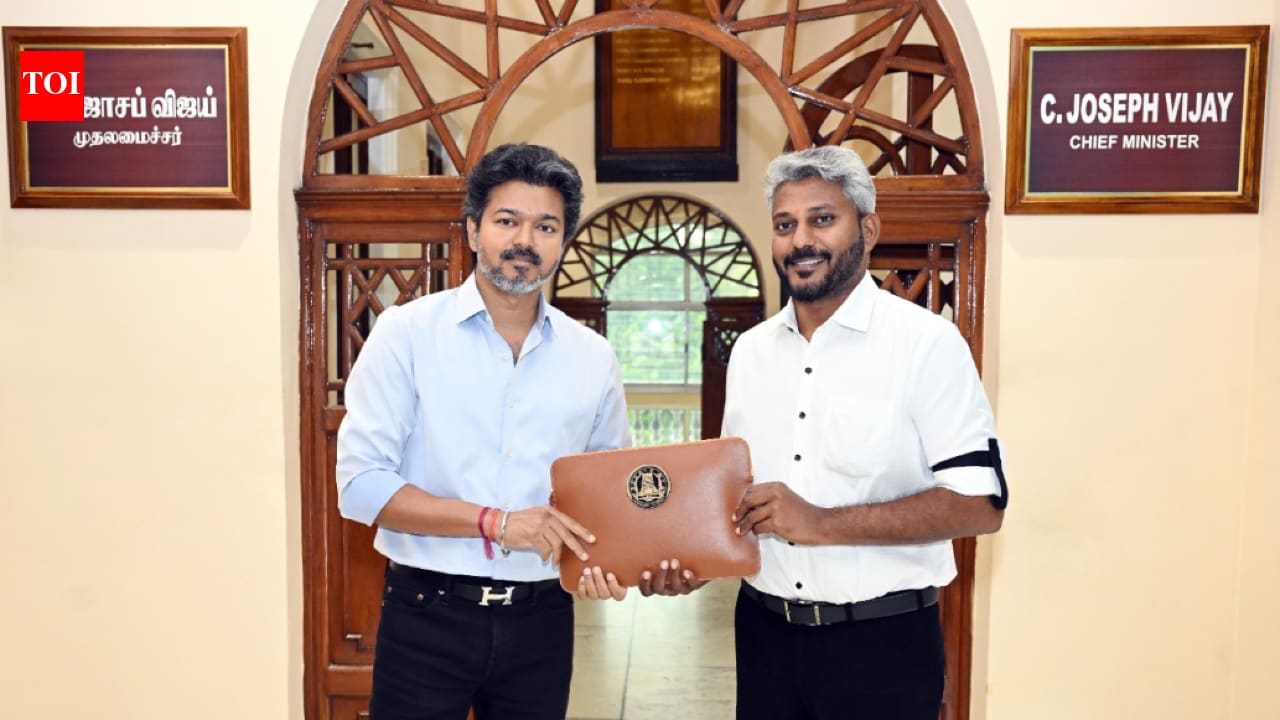
A heated debate erupted in the Tamil Nadu Assembly after a dispute over the use of 'impeccable' versus 'stylized' Tamil. The clash highlights the deep-rooted cultural and political significance of language usage in state legislative discourse.
Linguistic Politics in the Tamil Nadu Assembly
The Anatomy of a Linguistic Clash
The recent proceedings of the Tamil Nadu Legislative Assembly were disrupted by a pointed exchange regarding the quality and style of the Tamil language spoken by members. The confrontation, centered on the contrast between 'impeccable Tamil' and 'having one's own style,' serves as a microcosm of the broader intersection between linguistic identity and political posturing in the region. This incident underscores how language is not merely a tool for communication in Tamil Nadu, but a potent symbol of cultural heritage and political legitimacy.
Historical Context of Language in Tamil Politics
To understand this row, one must acknowledge the historical weight of the 'Language Wars' in Tamil Nadu. Since the anti-Hindi agitations of the mid-20th century, the purity and promotion of the Tamil language have been central pillars of the state's political ideology. Legislative debates in the state assembly frequently transcend mere policy discussion, often morphing into performances of linguistic mastery. For politicians, the ability to command 'impeccable' Tamil is often equated with a deep commitment to the state’s cultural sovereignty.
The 'Own Style' Defense
The counter-argument presented by the targeted legislator—that they possess their 'own style'—reflects a modern shift in political communication. As political demographics evolve, younger or more informal leaders are increasingly prioritizing accessibility and authenticity over the rigid, classical standards of formal Tamil. This tension between traditional linguistic standards and modern, colloquial styles creates a friction point that can easily be weaponized during legislative sessions to challenge the credibility of opponents.
Broader Implications for Legislative Conduct
The disruption caused by this grammar-focused row reflects the volatile nature of the Tamil Nadu Assembly, where symbolic issues often take precedence over legislative business. When language becomes a subject of parliamentary dispute, it signals a deeper polarization where personal attributes and rhetorical choices are scrutinized as heavily as policy proposals. This dynamic can complicate the legislative process, as the focus shifts from governance to performative displays of cultural adherence.
Future Trends in Political Discourse
Moving forward, we can expect linguistic scrutiny to remain a staple of Tamil Nadu politics. As digital media platforms amplify every parliamentary utterance, the pressure on legislators to maintain both 'correct' and 'charismatic' speech will intensify. Future sessions may see continued debates over the boundaries of acceptable linguistic expression, as parties continue to define their identities through their adherence to or departure from classical Tamil norms.