Assembly bypolls: TVK wins 2 seats in TN, BJP also bags 2 in Bengal
Source Entity
TNN
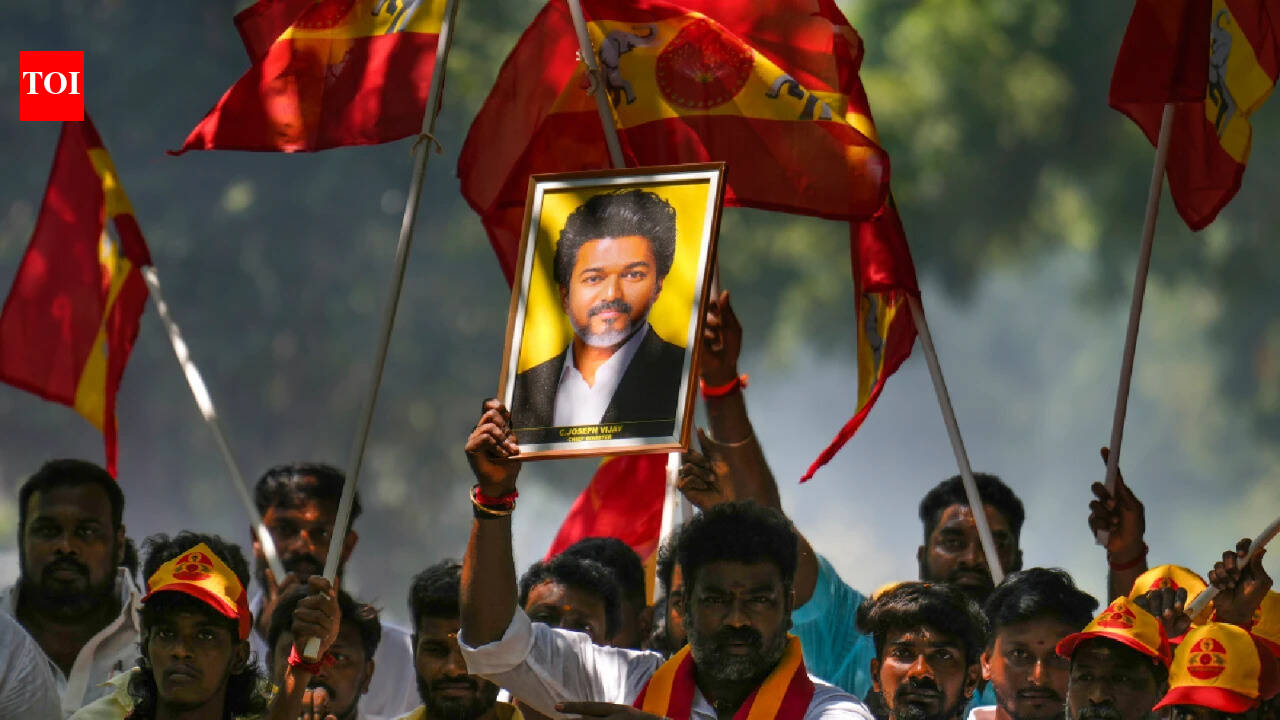
The ruling Tamilaga Vettri Kazhagam (TVK) successfully retained the Madurantakam and Dharapuram seats in recent byelections, while the All India N.R. Congress held Thattanchavady. DMK leader M.K. Stalin criticized the results as a victory for the politics of betrayal, claiming the ruling party faces rejection by a majority of voters.
Analysis of the Tamil Nadu and Puducherry By-election Results
On October 9, 2026, the political landscape in Tamil Nadu and Puducherry saw a significant consolidation of power as the ruling parties successfully defended their positions in a series of byelections. The Tamilaga Vettri Kazhagam (TVK), which assumed office five months prior, secured victories in both the Madurantakam and Dharapuram (Reserved) Assembly constituencies. Simultaneously, the All India N.R. Congress (AINRC) maintained its stronghold in Puducherry by retaining the Thattanchavady seat, signaling a period of continued incumbency dominance in the region.
The Mechanics of the TVK Victory
The victory for the TVK was driven by the candidacy of Maragatham Kumaravel in Madurantakam and P. Sathyabama in Dharapuram. Notably, both candidates were previously elected on AIADMK tickets during the April-May 2026 general assembly elections. Their subsequent resignation from the assembly and defection to the ruling TVK necessitated these byelections. By securing wins with comfortable margins—20,040 votes for Kumaravel and 9,471 for Sathyabama—the TVK has effectively validated the strategy of absorbing opposition legislators to bolster its legislative strength.
Opposition Critique and 'Politics of Betrayal'
The electoral process was met with sharp criticism from DMK president M.K. Stalin. Labeling the results a "temporary victory for the politics of betrayal," Stalin argued that the aggregate votes cast for the opposition parties indicate that the ruling party has been rejected by a majority of the electorate. This rhetoric highlights a deepening rift in Tamil Nadu politics, where the opposition is attempting to frame the TVK's reliance on political defections as a moral failure rather than a tactical success.
The Erosion of AIADMK Influence
A critical takeaway from the results is the diminishing performance of the AIADMK, which placed third in the Madurantakam contest. With S. Kanitha Sampath polling 47,450 votes behind the TVK and the DMK, the AIADMK appears to be struggling to reclaim its base following the mass defection of its elected representatives. This trend suggests a potential long-term realignment of the political spectrum in the state, as the ruling party continues to poach established local leaders.
Broader Implications for Governance
Beyond the immediate electoral math, these results raise questions regarding the stability of political discourse in the state. M.K. Stalin’s call for the ruling party to abandon "horse-trading" and "vendetta politics" underscores a volatile legislative environment. As the TVK moves forward, the pressure to deliver on its campaign promises will be high, particularly as the opposition prepares to leverage the narrative of "false image" politics to challenge the government's legitimacy in future legislative sessions.
Future Trends and Outlook
The success of defectors in winning their seats back under a new banner suggests that local candidate loyalty and party apparatus remain more influential than ideological consistency for many voters. However, the intensity of the opposition's backlash indicates that the next few years will likely be marked by aggressive political maneuvering. Whether the TVK can transform these byelection wins into a long-term mandate or if the opposition's narrative of "betrayal" gains traction will be the definitive political story for the remainder of the current term.
Multiple Citing Sources