'Not intended to hurt anyone': Vijay clarifies assembly gesture after DMK protest
Source Entity
AYUSH PANDEY
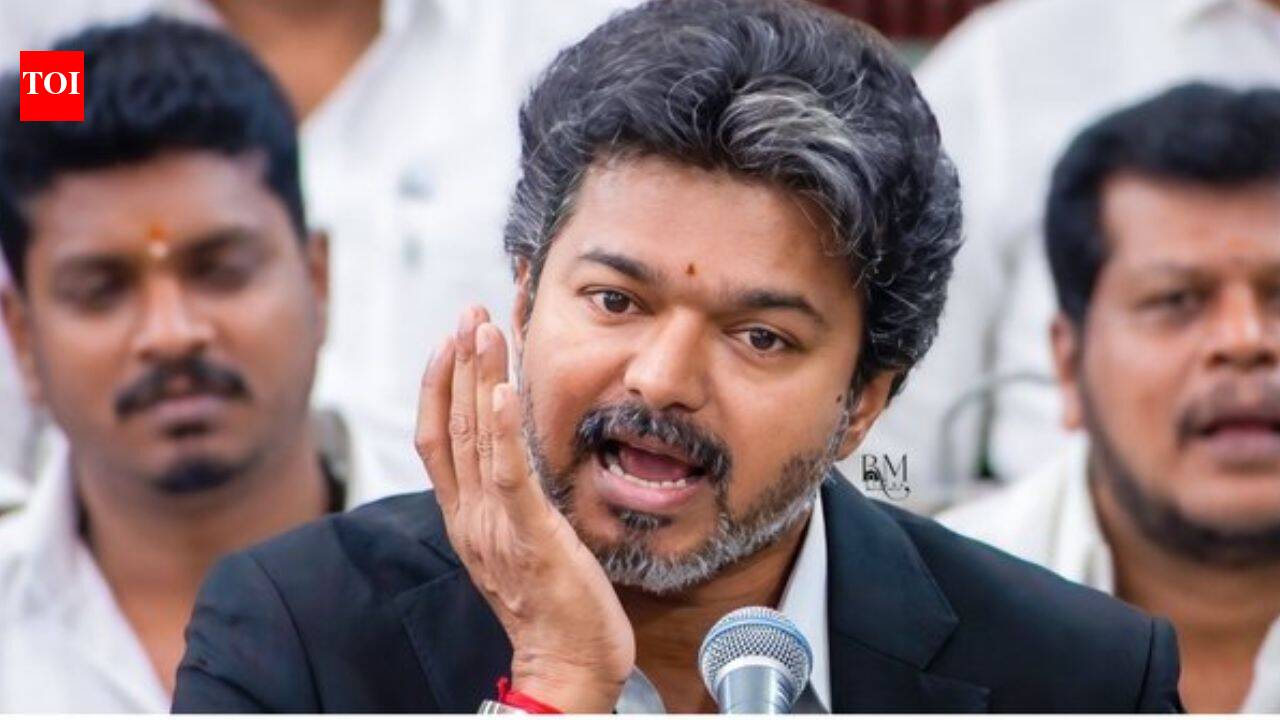
Tamil Nadu CM C. Joseph Vijay has clarified that a controversial jaw gesture made during an Assembly speech targeting the DMK was entirely unintentional. The incident occurred amidst heightened political tensions following the CM's criticism of the DMK's reaction to recent electoral verdicts.
Political Tensions Escalate in Tamil Nadu Assembly
The political landscape of Tamil Nadu has witnessed a significant uptick in friction following a series of heated exchanges in the State Assembly. Chief Minister C. Joseph Vijay, during a session on September 7, 2026, launched a sharp critique against the opposition Dravida Munnetra Kazhagam (DMK), questioning the party's democratic temperament in the wake of recent electoral outcomes.
The Anatomy of the Gesture Controversy
Following his speech, a specific moment of body language—a gesture where the Chief Minister was seen holding his jaw—became the center of a viral social media debate. Critics and DMK supporters alleged that the gesture was a deliberate attempt to mock DMK president MK Stalin. The visual nature of the act, captured during a high-stakes legislative session, quickly turned into a focal point for political discourse, overshadowing the policy debates occurring on the floor.
Clarification and Intent
Addressing the growing controversy, Chief Minister Vijay issued a formal clarification, asserting that the movement was an involuntary expression rather than a calculated insult. By framing the gesture as "completely unintentional," the Chief Minister sought to de-escalate the situation and mitigate claims that he intended to cause personal offense to the opposition leadership. This move highlights the intense scrutiny under which political leaders operate, where micro-expressions are often dissected for hidden political messaging.
Contextualizing the DMK-CM Conflict
The controversy did not occur in a vacuum. During the same Assembly session, the Chief Minister took a firm stance against the DMK, specifically referencing a senior DMK leader’s controversial remark suggesting that voters would suffer for not supporting the party. Vijay questioned the moral standing of the DMK, asking why the party should remain in the political sphere if it cannot gracefully accept the mandate of the electorate after decades of being in power.
Broader Implications for Legislative Decorum
The incident serves as a bellwether for the increasingly polarized nature of Tamil Nadu politics. When legislative discourse shifts from policy-based scrutiny—such as the grants for Police and Fire and Rescue Services departments—to personal gestures and accusations, the efficacy of the democratic process is often called into question. The Chief Minister’s warning regarding obscene remarks against women further underscores the volatile atmosphere currently permeating the state’s political discourse.
Future Trends in Political Communication
As digital platforms continue to amplify small gestures into major controversies, leaders are increasingly forced to balance aggressive political rhetoric with the management of their public image. The reliance on "screenshot enhancement" and viral clips suggests that the future of political warfare in India will be heavily dictated by the optics of body language. Moving forward, the ability of both the ruling party and the opposition to pivot back to governance rather than gesture-based controversies will be the true test of political maturity in the state.
Multiple Citing Sources