Tamil Nadu CM Vijay opens Mettur Dam releasing Cauvery water for irrigation in State
Source Entity
India Latest News: Top National Headlines Today & Breaking News | The Hindu
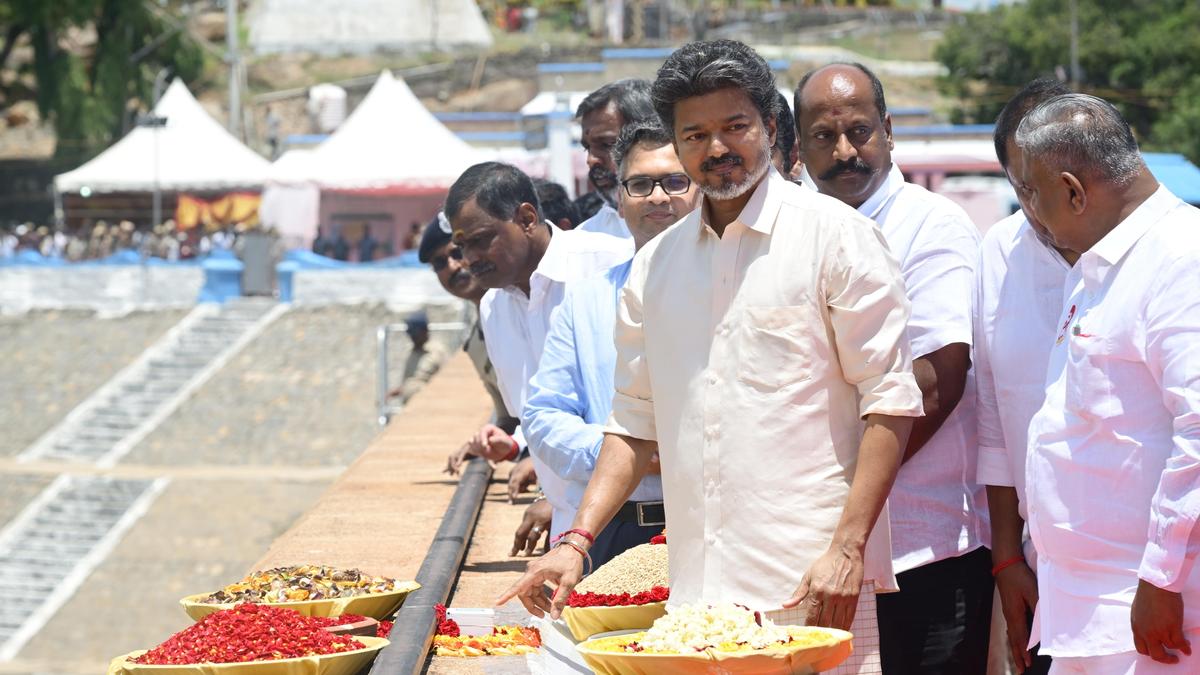
Tamil Nadu Chief Minister C. Joseph Vijay has opened the Mettur Dam for irrigation following an 80-day delay. With storage at 91.56 ft, the government plans a 45-day release to support the agricultural season, though farmers have requested an extension.
Mettur Dam Opening: A Critical Lifeline for Tamil Nadu Agriculture
On Tuesday, September 1, 2026, Tamil Nadu Chief Minister C. Joseph Vijay officially inaugurated the release of water from the Stanley Reservoir at Mettur. This event, which took place at 11:30 a.m., marks a significant moment for the agricultural community in the Cauvery delta. The release follows an 80-day delay past the customary June 12 opening date, highlighting the challenges currently faced by the state's water management systems and the dependency on seasonal inflows.
Current Reservoir Status and Operational Challenges
As of the opening, the water level in the Mettur Dam stood at 91.56 feet, significantly below its full capacity of 120 feet. The total storage volume is approximately 54.45 thousand million cubic feet (tmc ft), against a total capacity of 93.47 tmc ft. This disparity underscores the delicate balance the Water Resources Department must maintain. With the government planning to release water at a rate of roughly one tmc ft per day, the current reserves are expected to sustain the delta for approximately 45 days, provided no significant further inflows occur.
Agricultural Impact and Farmer Concerns
The release is primarily intended to support the samba cultivation season, a vital component of the state's agricultural economy. During his visit, Chief Minister Vijay interacted with local farmers who expressed concerns regarding the limited 45-day window. The farmers have actively petitioned for an extension of the release duration to ensure crop viability throughout the full growth cycle. Additionally, there is a growing demand for infrastructure development, specifically the diversion of surplus water to benefit water bodies in the Thalaivasal region.
Historical Context and Water Management Trends
This year marks the 62nd time in the dam's history that water has been released after the traditional June 12 date. More notably, this is only the fourth time that the initial release has occurred as late as September. Such patterns reflect the increasing volatility in water availability, which necessitates rigorous monitoring and adaptive management by the state government. The initial discharge of 3,000 cusecs, scheduled to scale up to 7,000 cusecs, demonstrates a cautious approach to resource allocation.
Future Outlook and Strategic Implications
Moving forward, the longevity of the water supply remains the central concern for both policymakers and the agrarian sector. Authorities must account for environmental flows, essential drinking water requirements, and dead storage buffers before committing to long-term release schedules. The government's decision to regulate the discharge based on real-time availability indicates a strategy of risk mitigation. As the season progresses, the success of this agricultural cycle will depend heavily on whether the current 45-day plan can be extended or if additional water management interventions will be required to prevent crop failure in the delta.
Verification Required?