In conflict-torn Manipur, why Congress and BJP have both sought NRC before Census
Source Entity
Deeptiman Tiwary
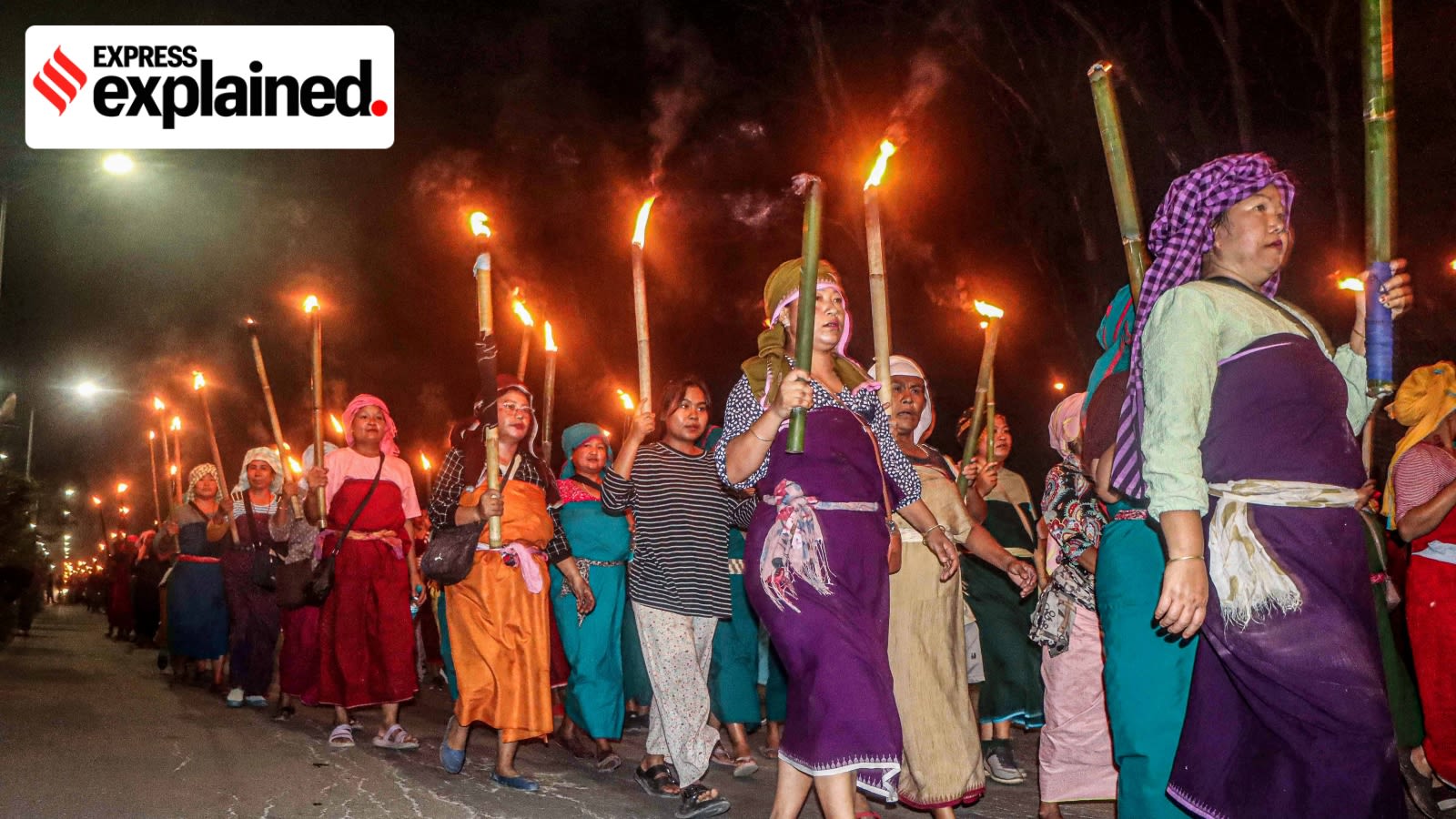
The Union government has deferred the 2027 Census in Manipur following intense pressure from groups demanding an updated National Register of Citizens (NRC). This decision aims to prevent further ethnic instability as the state continues to navigate ongoing conflicts and approaches upcoming assembly elections.
The Deferment of Manipur’s Census: A Strategic Response to Ethnic Volatility
The Context of the Decision
On August 31, the Union government made the critical decision to defer the decennial Census operations in Manipur, which were originally scheduled to commence on September 1. This administrative pivot followed high-level deliberations between Union Home Minister Amit Shah, Manipur Governor Ajay Kumar Bhalla, and Chief Minister Yumnam Khemchand Singh. The move serves as a temporary reprieve for a state currently grappling with deep-seated Kuki-Meitei and Kuki-Naga ethnic tensions. By halting the enumeration process, the government aims to mitigate the risk of further unrest in a region already destabilized by prolonged conflict.
The Demand for an Updated NRC
The deferment is a direct concession to civil society groups, particularly those representing interests in the Imphal Valley and Naga-dominated districts. These groups have long advocated for the implementation of an updated National Register of Citizens (NRC), utilizing 1951 as the base year, prior to any population enumeration. The central argument is that an accurate demographic baseline must be established to address long-standing allegations regarding illegal migration from Myanmar and other regions, which proponents claim has fundamentally altered the state’s demographic landscape.
Linking Demographics to Ethnic Conflict
The demand for an NRC is inextricably linked to the ongoing ethnic violence that has paralyzed parts of the state. For many, the Census is viewed through the lens of identity and political representation. By insisting on an NRC exercise first, these groups seek to solidify a verifiable list of citizens, which they believe will protect indigenous interests. The government’s decision reflects an acknowledgment that proceeding with a standard Census in such a polarized environment could exacerbate existing anxieties regarding citizenship and land rights.
Political Stakes and Future Trends
With elections for the 60-member Manipur Assembly looming within the next year, the political climate remains exceptionally fragile. The Union government’s caution is driven by the realization that Manipur can ill-afford a catalyst for renewed violence. The Campaign for Just and Fair Delimitation (JFD) has maintained pressure on the administration, staging shutdowns and demanding a formal, written order of deferment from the Registrar General and Census Commissioner of India. This highlights the deep distrust between stakeholders and the central administration.
Broader Implications for Governance
The situation in Manipur underscores the complex intersection of national administrative exercises and local ethnic politics. While the Census is a standard national requirement, its implementation in conflict-torn zones requires significant sensitivity. The current standoff suggests that until the core issues of citizenship and demographic security are addressed through mechanisms like the NRC, standard administrative procedures will likely face significant local resistance. Moving forward, the government must balance its national data-collection goals with the local imperative for stability and social cohesion.
Conclusion
The deferment of the 2027 Census in Manipur is a pragmatic, albeit temporary, measure necessitated by the state's volatile environment. By acknowledging the demand for an updated NRC, the government has prioritized immediate peace over administrative timelines. However, the path forward remains uncertain, as the persistent demand for formal documentation and the ongoing ethnic divisions continue to shape the political discourse in the state.
Multiple Citing Sources