Onions to be sold at ₹35 per kg through urban fair price shops: T.N. Minister in Assembly on price control measures
Source Entity
India Latest News: Top National Headlines Today & Breaking News | The Hindu
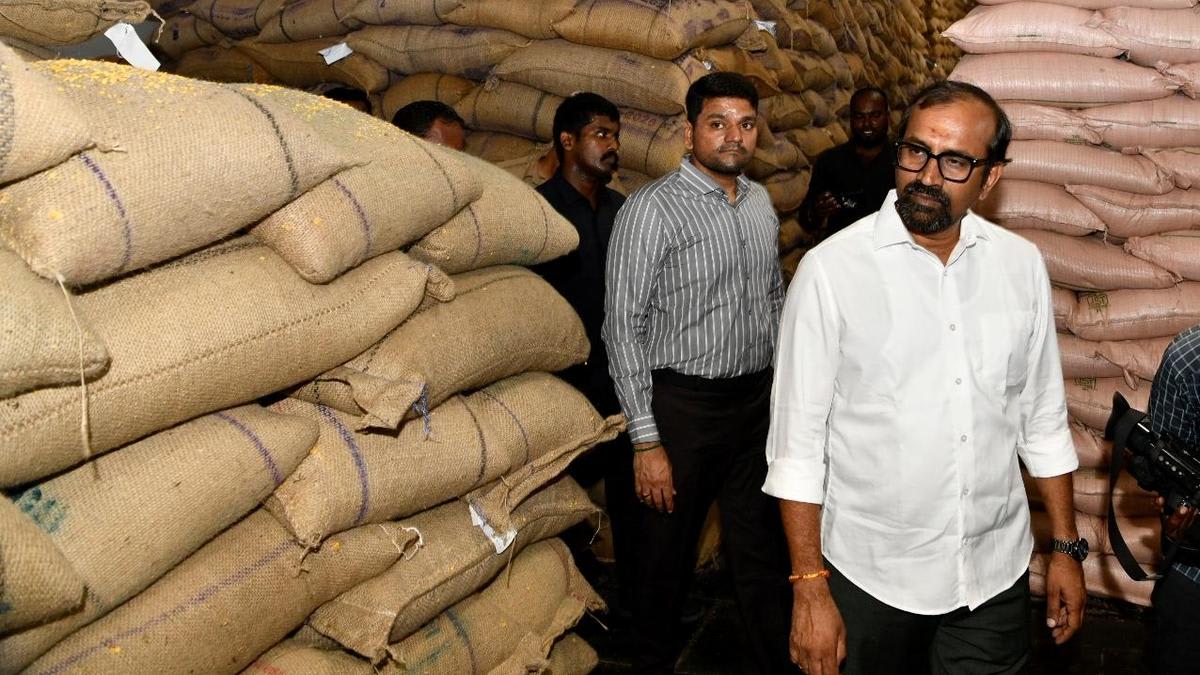
The Indian government is mitigating rising onion prices by selling subsidised stock at Rs 35 per kg across 19 cities. This intervention, supported by the procurement of 1,000 metric tonnes for Delhi and Tamil Nadu, aims to counter supply shortages caused by recent adverse weather in key producing states.
Addressing the Onion Price Crisis: Government Intervention Strategies
The Context of Market Volatility
Recent reports indicate that onion prices have surged across India, reaching retail levels between ₹56 and ₹70 per kg in various markets. This price volatility is primarily attributed to significant supply chain disruptions in major producing states like Maharashtra and Madhya Pradesh. Adverse weather conditions and heavy rains in these regions have damaged crops, leading to a restricted supply flow that has pressured retail markets. In response, the Central government has initiated a widespread intervention to stabilize the market and ensure food security for citizens.
Expanding Access Through Subsidized Sales
To combat the inflationary pressure on essential kitchen staples, the Centre has expanded its subsidized onion distribution program to 19 cities. By offering onions at a fixed rate of ₹35 per kg, the government is creating a price ceiling that discourages hoarding and price gouging. This initiative is being executed through a combination of existing fair price shops and a fleet of mobile vans. The mobile distribution model is particularly critical as it allows the government to reach underserved areas where physical infrastructure might be limited, ensuring that lower-income households are not disproportionately affected by the price spike.
Strategic Implementation in Delhi and Tamil Nadu
Specific focus has been placed on major urban centers. In Delhi, Chief Minister Rekha Gupta confirmed the receipt of 1,000 metric tonnes of onions, which are being distributed across all 13 districts. The arrival of these supplies via the 'Kanda Express' from Nashik highlights the logistical efforts being made to bridge the gap between production hubs and consumer markets. Simultaneously, in Tamil Nadu, Food and Civil Supplies Minister P. Venkataramanan has announced a parallel procurement of 1,000 metric tonnes. This state-level intervention, targeted at ration card holders in urban areas, underscores a coordinated effort between the Centre and the states to maintain essential supply chains.
The Role of Monitoring and Future Trends
Government officials are maintaining a constant vigil over market availability to preempt further shortages. By closely monitoring price trends, the administration seeks to act as a buffer against speculative trading that often follows supply shocks. This proactive stance is essential for managing the expectations of the public and maintaining stability in the retail sector. As the government continues to leverage its procurement capabilities, the focus remains on replenishing buffer stocks to ensure that future weather-related disruptions do not lead to similar spikes.
Implications for Food Security
Ultimately, these measures reflect a broader commitment to protecting the purchasing power of the average consumer. The onion is a staple of the Indian diet, and its price is often viewed as a bellwether for general food inflation. By effectively managing the supply and price of this single commodity, the government is attempting to signal confidence in the broader food supply chain. Moving forward, the success of these interventions will depend on the speed of logistics and the ability of state agencies to maintain a steady flow of subsidized produce until the next harvest cycle stabilizes the open market.
Conclusion
The government's multi-pronged strategy—utilizing both rail logistics and mobile distribution—serves as a critical relief mechanism during a period of agricultural instability. By intervening directly in the market at a price point of ₹35 per kg, authorities are successfully mitigating the impact of the current supply shortfall and protecting households from the full brunt of retail price surges.
Verification Required?