CM Vijay likely to move resolution in Assembly seeking freeze on Lok Sabha seats at 543
Source Entity
India Latest News: Top National Headlines Today & Breaking News | The Hindu
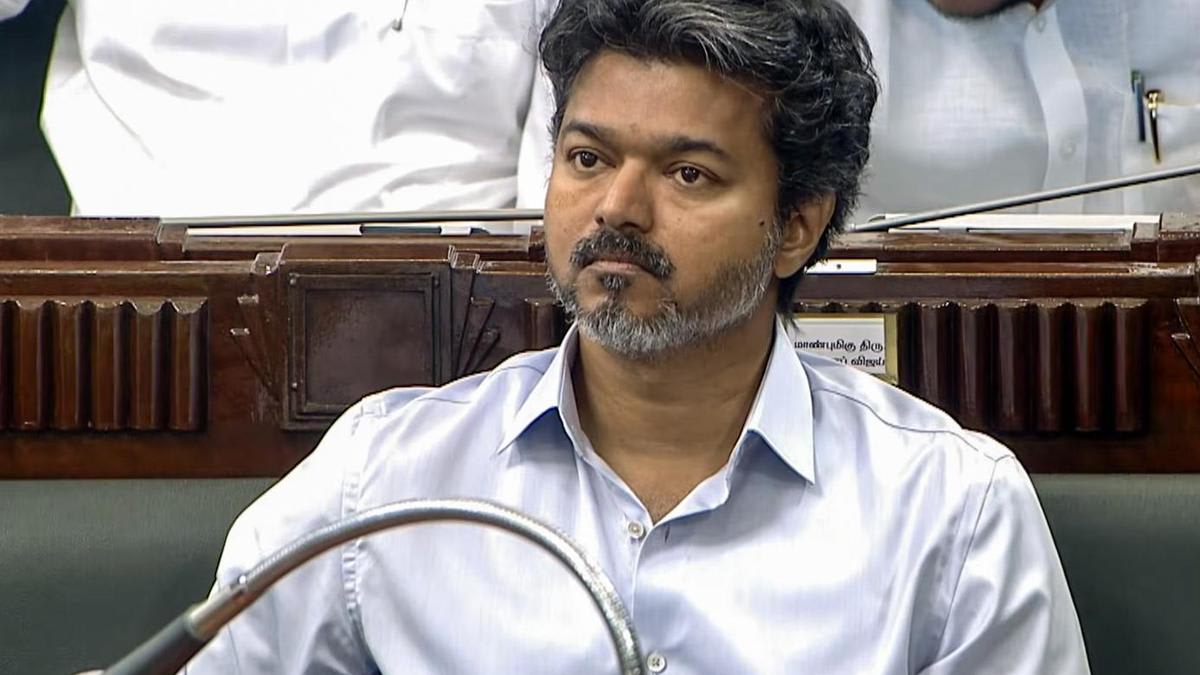
Tamil Nadu CM C. Joseph Vijay is set to move a legislative resolution seeking to freeze Lok Sabha seats at 543. The move aims to protect the current political representation of southern states amid concerns over upcoming delimitation exercises.
The Delimitation Dilemma: Tamil Nadu’s Legislative Response
On August 11, 2026, Tamil Nadu Chief Minister C. Joseph Vijay is scheduled to introduce a formal resolution in the State Assembly aimed at addressing the contentious issue of parliamentary delimitation. The proposed resolution calls upon the Union government to maintain the strength of the Lok Sabha at its current capacity of 543 seats and to preserve the existing inter-State distribution of constituencies. This move represents a strategic effort by the state government to safeguard its political influence against potential shifts that could follow a new delimitation process.
Background and Strategic Consultation
The impetus for this legislative action follows a high-level consultation held on August 8, 2026, at the Kalaivanar Arangam in Chennai. Chief Minister Vijay convened the meeting with Members of Parliament representing Tamil Nadu to build consensus on the issue. While the state boasts a total of 57 parliamentary representatives—comprising 39 Lok Sabha members and 18 Rajya Sabha members—the meeting saw a turnout of 19 MPs. Despite the mixed attendance, the gathering served as a critical platform to solidify the state's stance on protecting the interests of southern states in the national legislative framework.
The Core Conflict: Representation vs. Population
At the heart of this resolution lies the tension between population-based representation and the federal structure of India. The prospect of redrawing constituency boundaries has long been a source of anxiety for southern states, which have historically succeeded in demographic management and welfare policies. There is a prevailing fear that a new delimitation exercise, based on more recent census data, could disproportionately favor states with higher population growth, thereby diluting the political weight of states like Tamil Nadu that have effectively stabilized their population metrics.
Federal Implications and Southern Solidarity
The resolution is framed not merely as a state-specific grievance but as a broader defense of the rights of southern states. By advocating for a freeze on the current seat distribution, the Tamil Nadu government is positioning itself as a leader in a regional coalition concerned with maintaining the current balance of power in the Lok Sabha. The move highlights a growing friction point in Indian federalism, where developmental outcomes and demographic control are increasingly at odds with the mechanisms of parliamentary representation.
Future Trends in Parliamentary Representation
Looking ahead, this resolution signals that the delimitation debate will likely become a defining feature of political discourse in the coming years. As the Union government faces pressure to modernize electoral boundaries, states that have invested heavily in social infrastructure and family planning will continue to push back against any changes that could lead to a loss of seats. The legislative action in Chennai serves as a blueprint for how other states might formalize their opposition, setting the stage for a protracted constitutional and political debate regarding the future of Indian democracy and the sanctity of existing electoral distributions.
Verification Required?