Vijay Urges Centre To Freeze Lok Sabha Seats At 543, Moves Resolution
Source Entity
NDTV News Search Records Found 1000
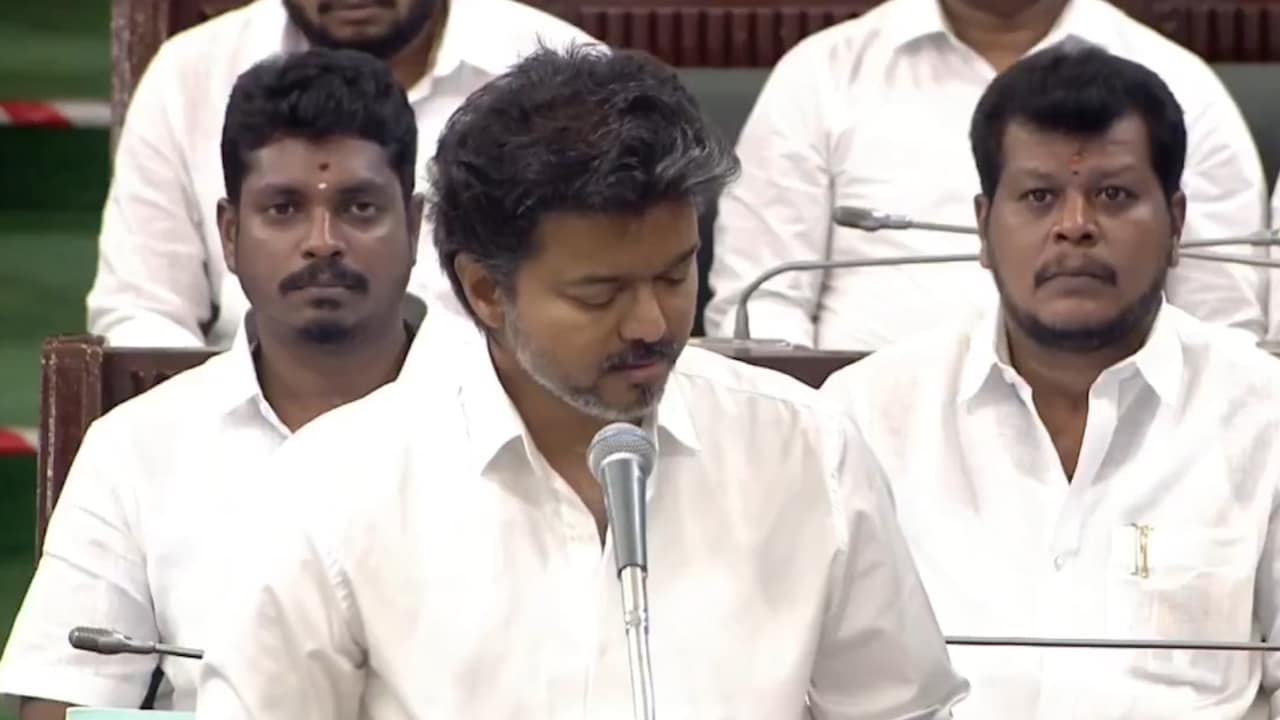
Tamil Nadu has passed a resolution urging the Centre to cap Lok Sabha seats at 543 to prevent regional power imbalances. The state also demands the immediate implementation of the 33% women's reservation quota by the 2029 elections.
Tamil Nadu Challenges Delimitation and Pushes for Women's Reservation
A Stand Against Future Reapportionment
The Tamil Nadu Legislative Assembly, led by Chief Minister C. Joseph Vijay, has formally adopted a resolution urging the Union government to permanently freeze the strength of the Lok Sabha at its current 543 seats. This move represents a significant pushback against potential future delimitation exercises, which could fundamentally alter the political landscape of India. By calling for a permanent cap, the state government is signaling its deep concern regarding how a fresh census-based delimitation might disadvantage southern states that have historically excelled in population control programs.
The Intersection of Representation and Equity
Beyond the issue of seat capping, the resolution explicitly links the debate to the long-awaited implementation of 33% reservation for women in legislative bodies. The administration argues that the two issues should not be tethered together in a way that delays progress. By advocating for the quota to be implemented by the 2029 Lok Sabha and state assembly elections, the state is demanding that gender parity in politics be treated as a priority that stands independently of the complexities surrounding parliamentary seat distribution.
Historical Context and Political Implications
The debate, which spanned nearly two hours in the assembly, highlights a growing tension between regional interests and national electoral reform. Historically, India has periodically adjusted parliamentary seats to reflect population shifts; however, states like Tamil Nadu fear that these adjustments will punish regions that have successfully reduced population growth. This resolution serves as a formal legislative stance aimed at ensuring that the existing political weight of the state is not diminished in future parliamentary cycles.
Prioritizing Gender Representation
Chief Minister Vijay’s emphasis on the immediate implementation of the women's reservation quota reflects a broader national conversation regarding inclusivity in governance. By demanding that the 33% reservation be operationalized by 2029, the government is challenging the narrative that such a significant social reform must wait for the completion of complex administrative tasks like delimitation. This suggests a push for policy decoupling, where social justice initiatives are prioritized regardless of the status of other constitutional procedures.
Future Trends and Strategic Outlook
As the Union government continues to manage the balance between demographic representation and regional stability, this resolution serves as a critical indicator of potential friction points in federal relations. Should the Centre proceed with a delimitation exercise that increases the total number of seats, the stance taken by the Tamil Nadu assembly suggests that such moves will face significant legal and political resistance. The move to link seat capping with women's reservation creates a dual-layered challenge for the national government, forcing a reconciliation between demographic-based seat allocation and the urgent demand for gender-based political empowerment.
Verification Required?