Process is punishment, says MLA Waheed Para, as J&K names special prosecutor for six-year-old case
Source Entity
Bashaarat Masood
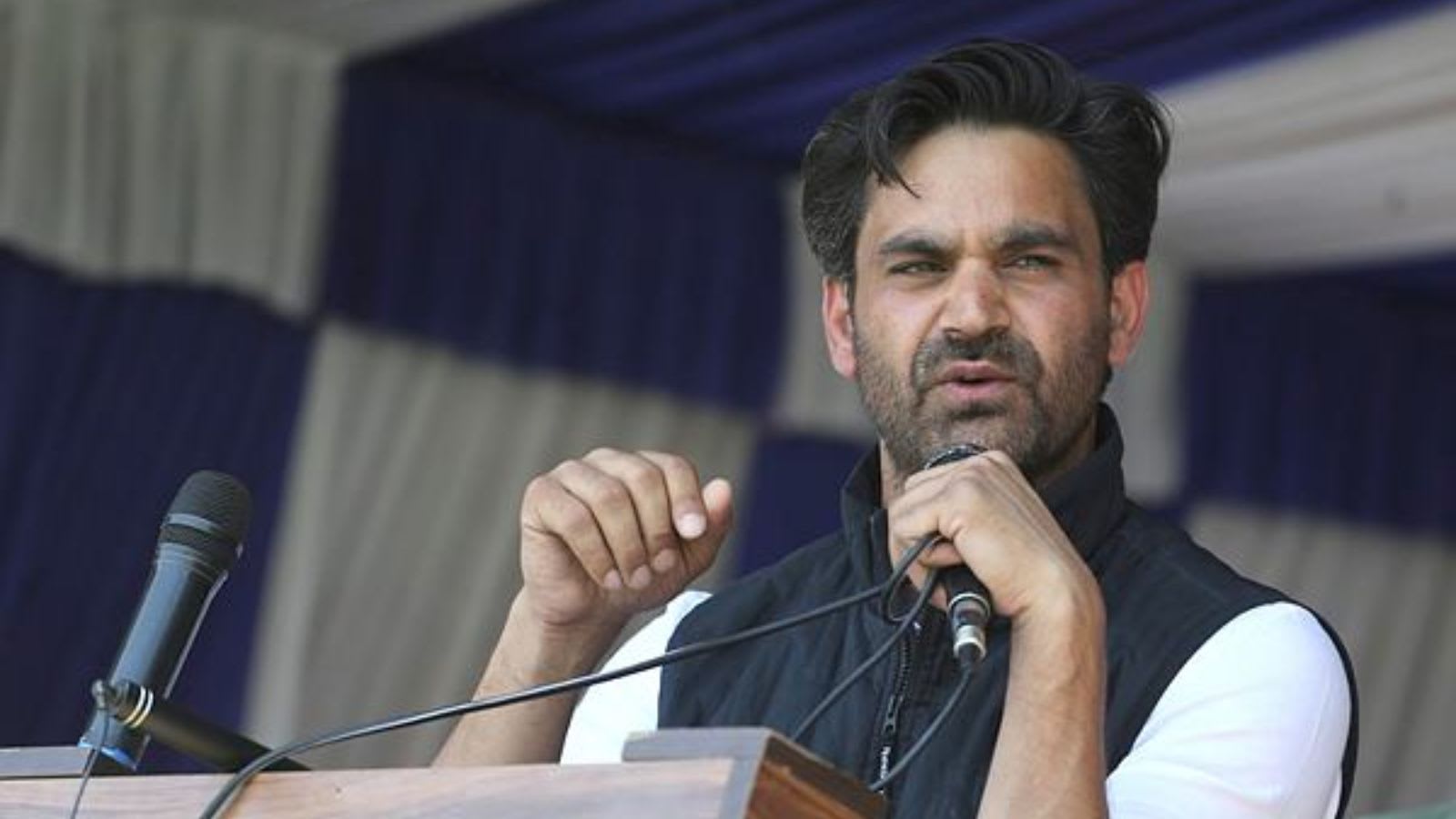
Jammu and Kashmir Lieutenant Governor Manoj Sinha has appointed a special public prosecutor to handle a six-year-old UAPA case against PDP leader Waheed Para. Para has criticized the move, highlighting concerns over the prolonged legal process.
The Legal Escalation in the Waheed Para Case
In a development that has drawn significant scrutiny, the Jammu and Kashmir administration, under Lieutenant Governor Manoj Sinha, has formally appointed Abdul Rashid Dar as a special public prosecutor to handle a single, long-standing case. This appointment, issued by the J&K Home Department, specifically targets the six-year-old FIR registered under the Unlawful Activities (Prevention) Act (UAPA) against Waheed Para, a prominent legislator and leader of the Peoples Democratic Party (PDP).
Procedural Context and Legal Framework
The appointment was made utilizing powers granted under sub-section (8) of Section 18 of the Bharatiya Nagrik Suraksha Sanhita (BNSS) 2023. By superseding previous notifications, the government has signaled a focused effort to expedite or specifically manage the prosecution of this particular case. The selection of a special prosecutor for a singular FIR is a rare administrative maneuver that underscores the perceived high-stakes nature of the legal proceedings against Para.
The 'Process as Punishment' Paradigm
Waheed Para has publicly characterized this development as an embodiment of the adage "process is punishment." This sentiment reflects a broader critique of how anti-terror legislation like the UAPA is utilized in the political sphere. For a case to remain active for six years without reaching a definitive legal conclusion suggests a protracted period of judicial and administrative entanglement, which the defense argues imposes a significant personal and political toll on the accused, regardless of the eventual verdict.
Broader Implications for J&K Politics
The case against Para is emblematic of the complex and often strained relationship between mainstream political figures in Jammu and Kashmir and the central government's security apparatus. The use of the UAPA—a stringent law designed for national security threats—against a political representative has been a recurring point of contention. This latest move to appoint a special prosecutor suggests that the state remains deeply invested in the outcome of this specific trial, maintaining a high level of administrative oversight.
Future Trends in Legal Oversight
As the transition to the Bharatiya Nagrik Suraksha Sanhita continues, the appointment of special prosecutors for high-profile cases may become a more frequent tool for the administration to manage complex litigation. However, this trend also invites closer observation from human rights organizations and legal experts concerned with the potential for judicial delays to serve as a form of de facto sanction. The progression of the case against Waheed Para will likely serve as a litmus test for how the new legal framework is applied to political dissenters in the region moving forward.