Tamil Nadu government mulling over abolition of State Planning Commission
Source Entity
India Latest News: Top National Headlines Today & Breaking News | The Hindu
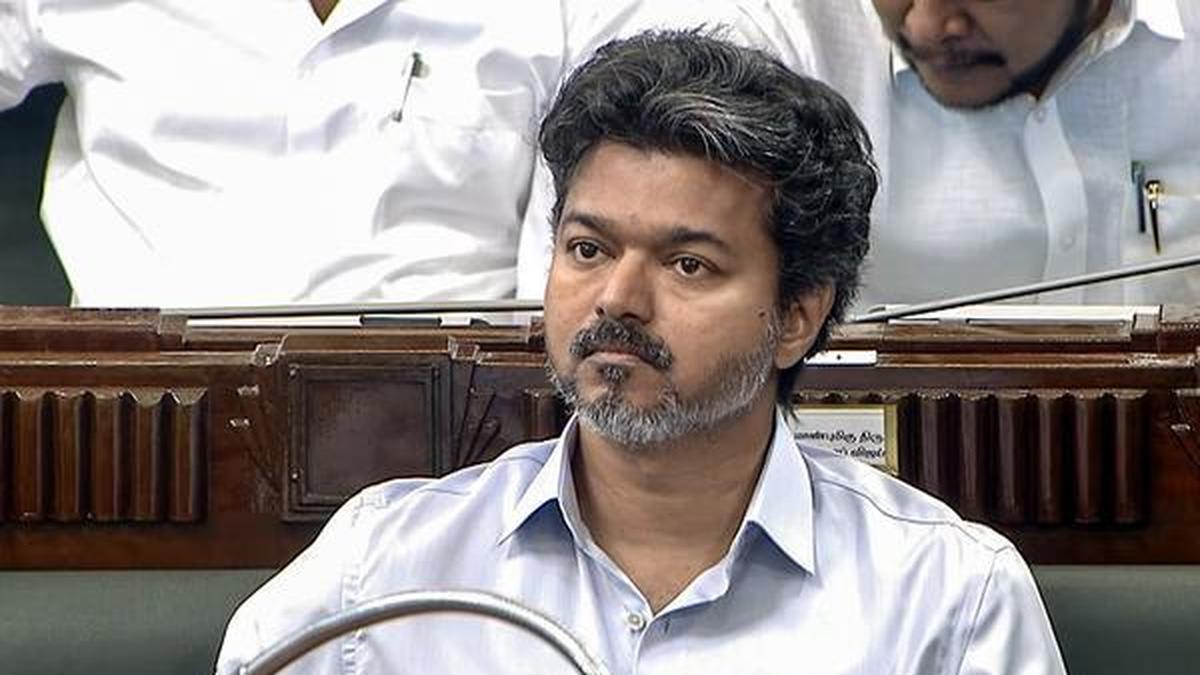
The Tamil Nadu government is considering abolishing the 55-year-old State Planning Commission. The administration intends to replace the body with subject-specific expert committees to improve policy formulation.
The Potential Dissolution of the Tamil Nadu State Planning Commission
The Tamil Nadu government is currently evaluating the future of the State Planning Commission (SPC), a foundational policy-making body that has functioned for 55 years. Reports indicate that the administration, led by the Tamilaga Vettri Kazhagam (TVK), has refrained from filling critical leadership vacancies, including the posts of Vice-Chairperson and full-time members, following the resignations of the team previously appointed by the DMK government. This institutional inertia suggests a significant shift in the state's governance architecture.
Current Institutional Structure
Under established conventions, the Chief Minister, C. Joseph Vijay, serves as the ex-officio Chairperson of the Commission. The current administrative framework includes Chief Secretary M. Sai Kumar and Finance Secretary M. A. Siddique as ex-officio members. Despite these high-level designations, the functional capacity of the body has been effectively reduced, with only an IAS officer currently serving as the Member-Secretary. This state of affairs highlights a move away from the traditional model of a centralized planning board.
Rationale for Administrative Reform
According to senior government officials, the primary motivation behind the potential abolition is the perceived redundancy of the SPC's current output. The government views the commission's primary function—providing generalized policy inputs—as insufficient for the complexities of modern governance. By moving to dissolve the SPC, the state aims to pivot toward a more agile and specialized approach to policy development.
Transition to Subject-Specific Committees
The proposed alternative involves the creation of subject-specific committees composed of domain experts. This shift reflects a broader trend in governance where governments prefer targeted, technical advice over broad, bureaucratic oversight. By utilizing subject-matter experts, the administration hopes to secure more precise and actionable policy recommendations, effectively decentralizing the advisory process to better address specific sectors of the economy and social welfare.
Implications for State Governance
The move to dismantle a 55-year-old institution is a significant political and administrative milestone. It marks a clear departure from the planning models of the past, signaling that the TVK-led government is prioritizing efficiency and technical specialization over legacy structures. If the abolition proceeds, it will fundamentally alter how long-term state goals are formulated and monitored in Tamil Nadu.
Future Outlook
As the state moves toward finalizing this decision, the focus will remain on how these new expert committees are structured and whether they can maintain the institutional memory and strategic oversight previously provided by the SPC. The success of this transition will depend on the government's ability to integrate these specialized committees into the existing administrative workflow without causing significant disruption to ongoing state projects.
Verification Required?