'We eradicated Naxalism, narcotics next': Amit Shah on drug-free India by 2029
Source Entity
PRISHA PATNAIK
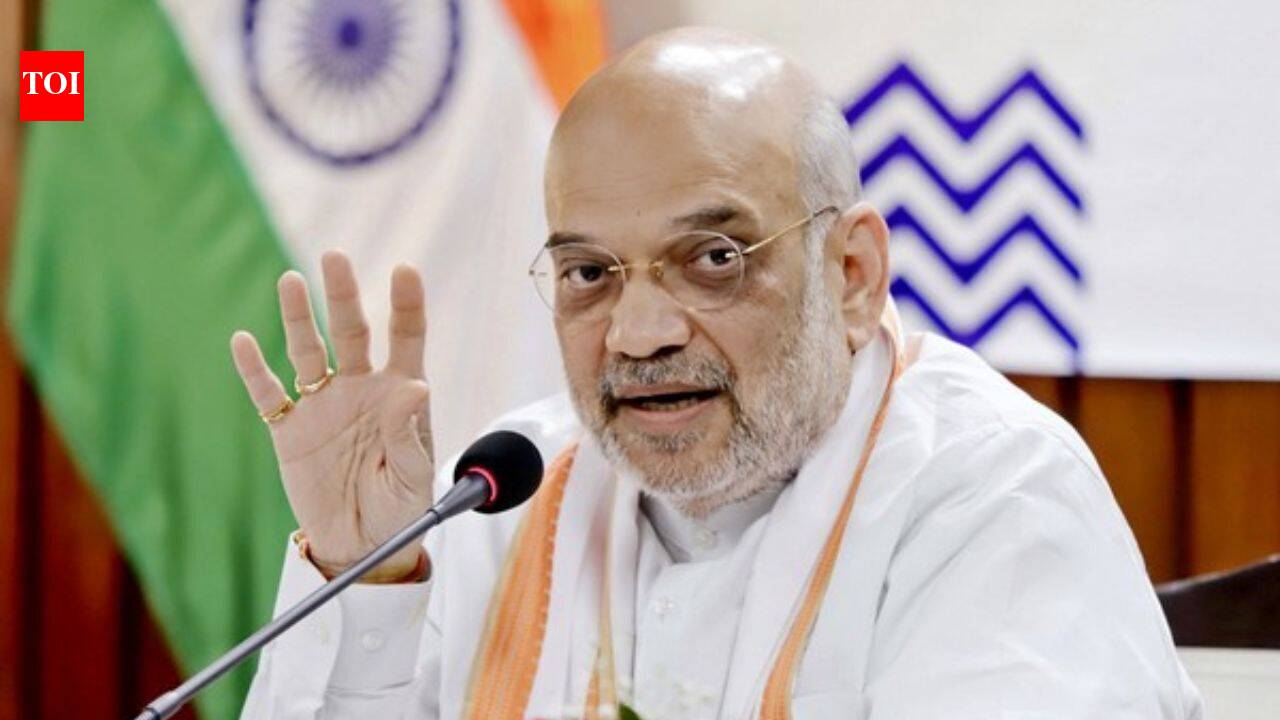
Union Home Minister Amit Shah has announced a comprehensive roadmap for a drug-free India by 2029. The strategy focuses on dismantling international narcotics networks, utilizing the NIDAN database, and prioritizing youth health to support the vision of Viksit Bharat 2047.
India's Strategic Pivot: The Roadmap to a Drug-Free Nation by 2029
Union Home Minister Amit Shah has formally unveiled a multi-faceted roadmap aimed at eradicating the narcotics menace in India by 2029. This initiative, termed 'Nasha Mukt Bharat 2029,' reflects a significant escalation in the government’s commitment to internal security. By framing the fight against narcotics as a national security priority, the administration is shifting from reactive law enforcement to a proactive, coordinated national campaign designed to safeguard the nation's youth.
The Mechanics of Enforcement: Reverse Investigation and NIDAN
A cornerstone of this new strategy is the implementation of a 'reverse investigation' model. Unlike traditional policing that often focuses on the street-level seizure of narcotics, this methodology seeks to trace the entire supply chain, including the financial backing and logistical networks that facilitate drug trafficking. Supplementing this effort is the NIDAN database, a critical technological tool designed to track and monitor drug offenders systematically. These tools are intended to dismantle the infrastructure of drug syndicates rather than merely addressing the symptoms of the trade.
National Security and the 'Viksit Bharat' Goal
The ambition to achieve a drug-free status by 2029 is intrinsically linked to the government’s broader vision of 'Viksit Bharat' (Developed India) by 2047. Minister Shah emphasized that the country’s demographic dividend—its youth power—must be shielded from the ravages of substance abuse to contribute effectively to national development. By targeting the eradication of narcotics, the government aims to secure the future workforce and prevent the social destabilization that typically accompanies widespread drug addiction.
Supply, Demand, and Harm Reduction
The roadmap is structured around three primary pillars: supply reduction, demand reduction, and harm reduction. The government has set specific, ambitious targets, including the dismantling of 100 major national and international drug networks and the repatriation of 100 fugitives by March 2029. This holistic approach recognizes that enforcement alone is insufficient; by combining strict border controls with robust rehabilitation programs, the state aims to address both the inflow of illicit substances and the domestic demand for them.
Coordination and Future Implications
The initiative highlights a shift toward seamless coordination between the Union Home Ministry and various state governments, as evidenced by the high-level meetings chaired by Amit Shah alongside state leadership, such as Goa Chief Minister Pramod Sawant. This collaborative framework is essential for managing the porous nature of modern borders and the globalized nature of drug financing. While the challenges remain immense, the government’s explicit commitment to ensuring not a single gram of narcotics crosses borders signals a hardening of India's stance against trans-border organized crime.
Conclusion
As India moves toward the 2029 deadline, the efficacy of the NIDAN database and the success of the reverse investigation model will be primary indicators of progress. By aligning narcotics control with the national developmental agenda, the government has set a high benchmark for internal security. The success of this initiative will likely be measured not just by seizure statistics, but by the measurable improvement in public health outcomes and the long-term stability of the nation’s youth population.