Beyond courtrooms: When judges’ words travel from lecture halls to viral clips
Source Entity
Vineet Upadhyay
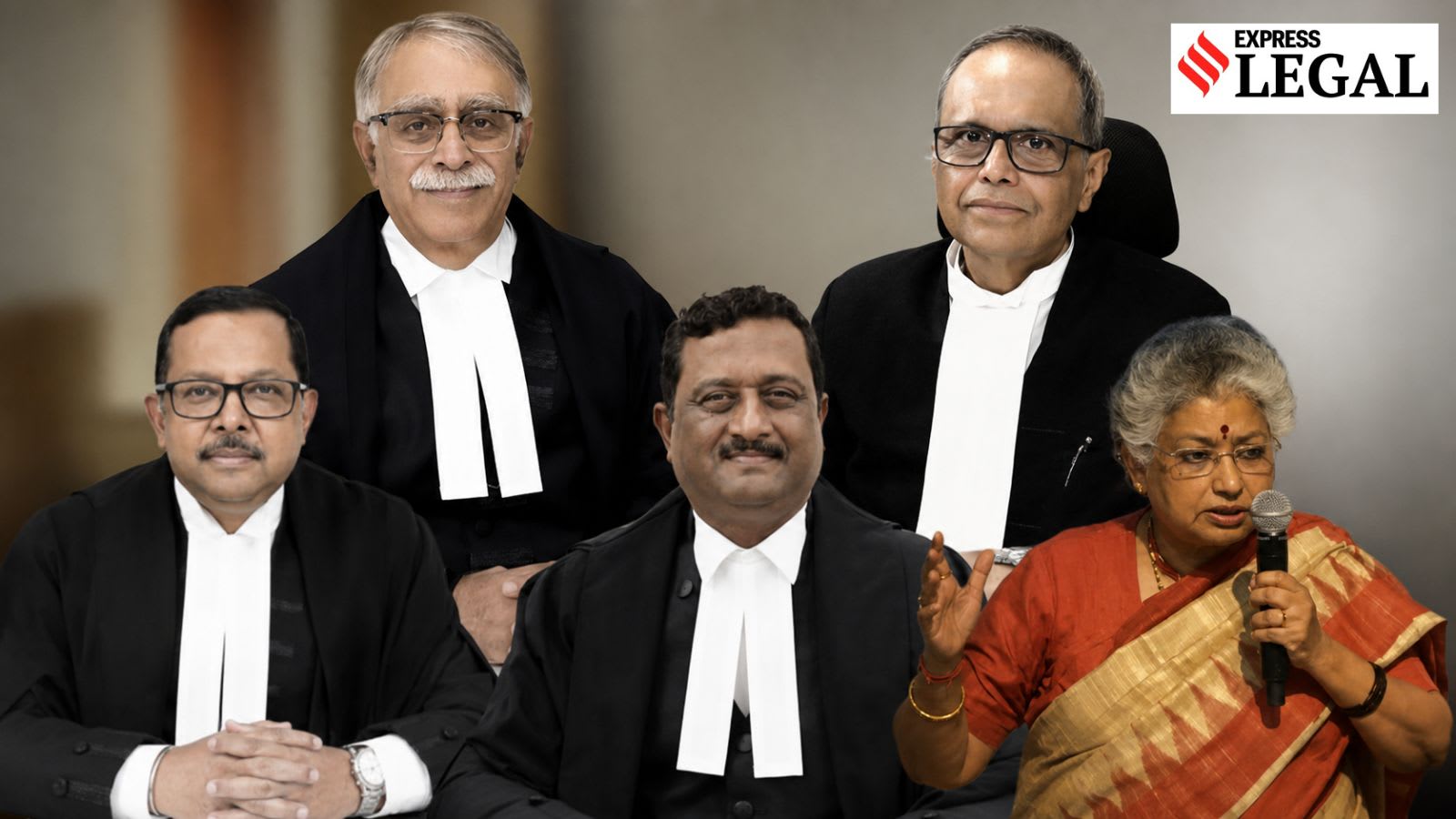
Judges are increasingly engaging in public discourse beyond the courtroom, with their remarks frequently gaining viral traction on social media. This shift creates new challenges for judicial neutrality and the public perception of the legal system.
The Expanding Public Platform of the Judiciary
Historically, the judiciary has maintained a solemn, detached persona, communicating almost exclusively through the medium of written judgments and formal court proceedings. This tradition of 'speaking only through judgments' served as a structural safeguard, ensuring that judicial opinions remained insulated from the volatile arena of public opinion. However, as noted in recent observations, this paradigm is shifting. Judges are now increasingly active in university convocations, memorial lectures, and high-profile conferences, stepping out from behind the bench to engage directly with the public.
The Mechanics of Viral Amplification
The most significant transformation is not necessarily the frequency of these public appearances, but the technological context in which they are delivered. In the digital age, a remark made by a sitting Supreme Court judge during a weekend event can be captured, clipped, and disseminated across social media platforms in a matter of minutes. This rapid amplification strips the original context away, turning nuanced academic or philosophical reflections into viral soundbites that often dominate national discourse and online debates, far removed from the controlled environment of the courtroom.
Broadening the Scope of Judicial Commentary
Beyond just the medium of delivery, the content of judicial discourse has expanded significantly. Where judges once limited their public commentary to procedural or strictly legal matters, they are now weighing in on complex societal issues including constitutional values, the state of democracy, free speech, religion, and the rapid evolution of technology. By engaging with these polarizing topics, judges are stepping into the role of public intellectuals, a shift that carries both the potential to educate the public and the risk of appearing to take sides in ongoing political or social debates.
The Role of Retired Jurists
It is not merely sitting judges who are shaping this new landscape; retired members of the judiciary have also emerged as prominent public commentators. No longer bound by the strictures of active judicial office, these individuals often utilize their platform to offer critical insights into the functioning of the legal system and the protection of civil liberties. Their visibility adds a layer of depth to the discourse, yet it also complicates the public's understanding of the divide between current judicial policy and individual opinion.
Implications for Judicial Neutrality
The fundamental challenge inherent in this trend is the potential erosion of the perceived neutrality of the judiciary. When a judge’s words become the subject of intense social media scrutiny and political debate, the line between an impartial arbiter and a public figure becomes blurred. As these remarks circulate outside the context of the courtroom, they risk being weaponized by interest groups, potentially undermining the public's trust in the legal system's ability to remain objective in future litigation.
Future Trends in Judicial Communication
Looking forward, the judiciary faces a delicate balancing act. While transparency and engagement are essential for a healthy democracy, the digital ecosystem demands a level of caution that previous generations of judges did not have to navigate. We can expect future discourse to focus on developing guidelines for judicial conduct in public forums, as the institution grapples with the permanent reality that in the 21st century, every word spoken in public is a potential headline.