Domestic rooftop solar installations in T.N. remain low due to policy challenges, say consumers
Source Entity
India Latest News: Top National Headlines Today & Breaking News | The Hindu
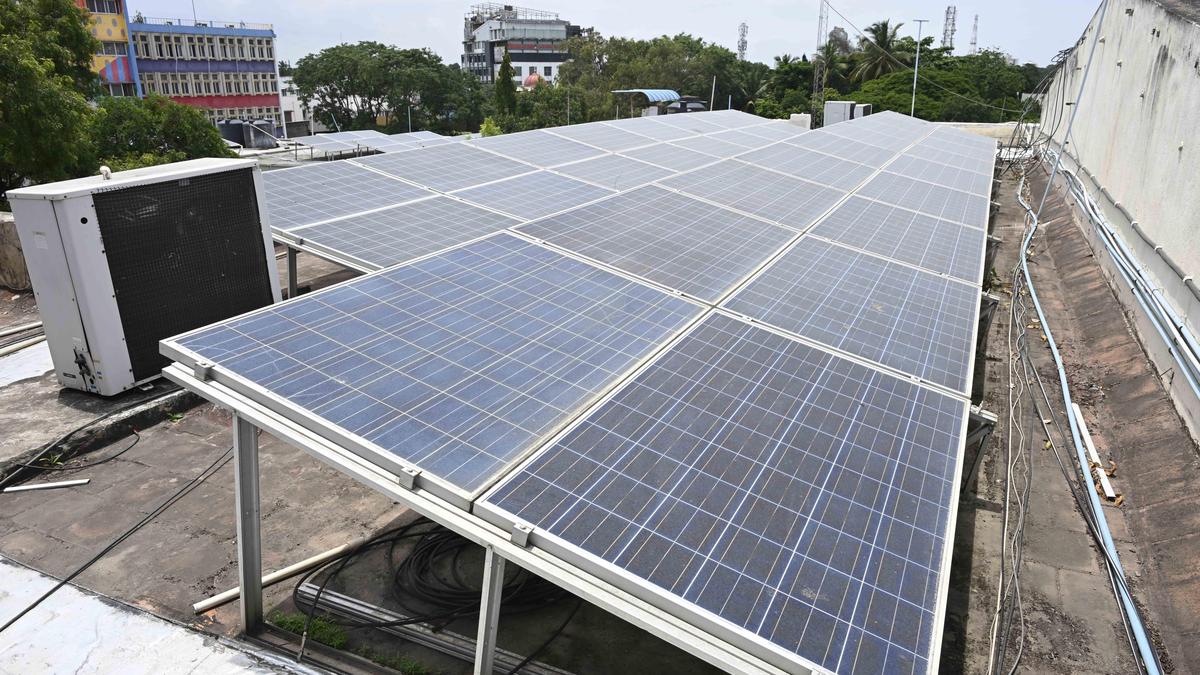
Tamil Nadu's domestic rooftop solar growth faces hurdles despite the PM Surya Ghar scheme due to additional network charges. Experts advocate for policy reforms to exempt consumers from these fees to boost adoption.
The Bottleneck in Tamil Nadu's Solar Transition
Tamil Nadu has made notable strides in renewable energy integration, with 425.61 MW of domestic rooftop solar capacity currently operational under the PM Surya Ghar scheme. While the Tamil Nadu Green Energy Corporation continues to push for wider adoption, the transition to sustainable home energy is hitting a structural wall. Despite the ambitious nature of national solar initiatives, the actual implementation at the household level is being stifled by financial disincentives that contradict the perceived benefits of going solar.
The Impact of Network Charges
The core of the conflict lies in the disparity between government marketing and consumer reality. While public awareness campaigns emphasize the potential for zero-cost bi-monthly energy bills, consumers are discovering that the financial relief is incomplete. K. Kathirmathiyon, secretary of the Coimbatore Consumer Cause, points out that the imposition of 'network charges' acts as a significant barrier. These hidden costs erode the economic incentive for middle-class families to invest in rooftop solar, effectively dampening the enthusiasm that national schemes aim to foster.
Policy Reform and Expert Recommendations
Industry experts, including A.D. Thirumurthi, advisor to the National Solar Energy Federation of India, argue that a fundamental policy shift is required to unlock the state's true solar potential. The proposal to exempt domestic rooftop solar users from network charges is seen as a vital catalyst. By removing these additional levies, the state would align the economic reality of the consumer with the state's broader environmental goals, making solar a truly viable alternative to traditional grid reliance.
Broader Implications for Green Energy
The challenge faced by Tamil Nadu is indicative of a wider struggle in India’s renewable energy sector: balancing utility revenue models with the necessity of distributed energy generation. When grid operators impose network charges to compensate for lost revenue, they inadvertently penalize early adopters of green technology. Addressing this requires a reimagining of utility tariff structures that account for the long-term societal benefits of solar energy, such as reduced transmission losses and lower carbon footprints.
Future Trends and Conclusion
Moving forward, the success of the PM Surya Ghar scheme in Tamil Nadu will likely depend on the willingness of state regulators to streamline the tariff structure. If the government chooses to heed the advice of consumer representatives and industry experts, it could trigger a surge in residential solar installations. Conversely, maintaining the status quo risks stalling momentum, as households remain wary of unpredictable billing structures. The path toward a green future requires not just technology, but a policy framework that ensures the promise of 'zero electricity bills' is a reality rather than a marketing goal.
Verification Required?