'Come To Bengal As Much As You Want': Suvendu Adhikari To Taslima Nasreen
Source Entity
NDTV News Search Records Found 1000
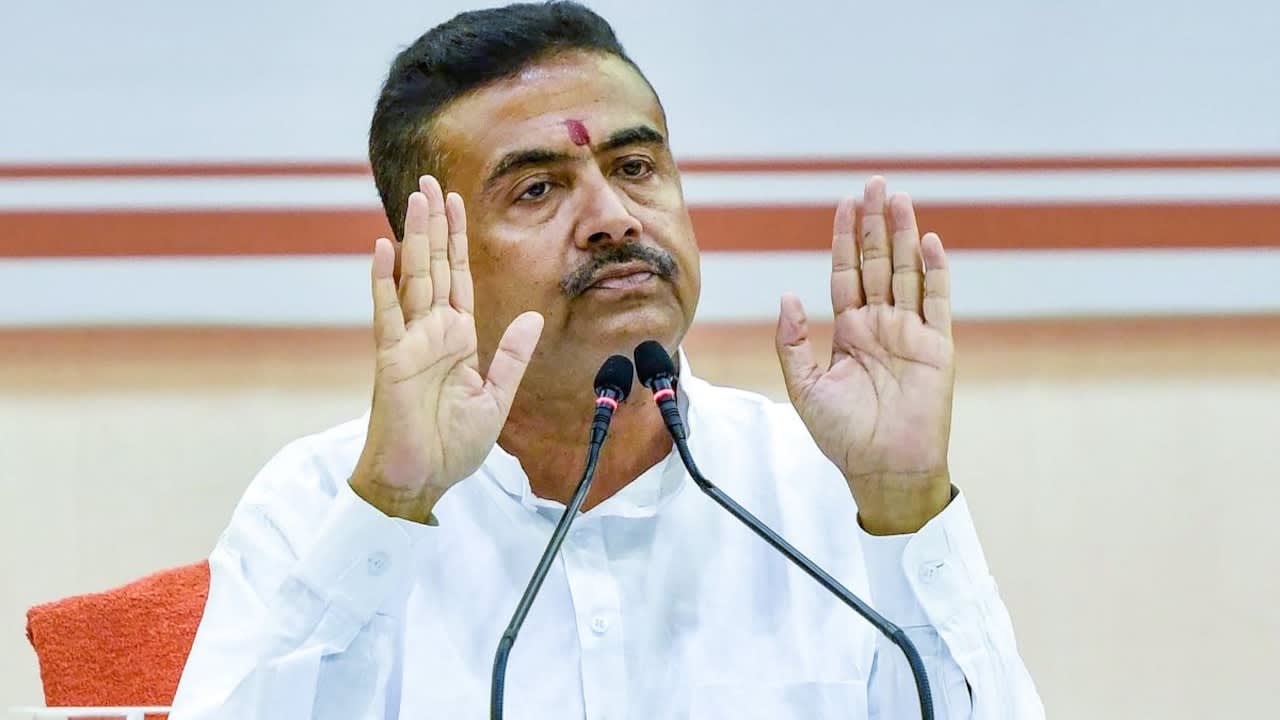
Exiled author Taslima Nasrin returned to Kolkata after 19 years for a public event. Leader of the Opposition Suvendu Adhikari welcomed her and pledged to guarantee her security in the state.
A Symbolic Return: Taslima Nasrin in Kolkata
After a nineteen-year period of exile and exclusion, Bangladeshi author Taslima Nasrin made a poignant public return to Kolkata, a city she has long described as her spiritual and cultural home. Her appearance at a cultural function held at the iconic Rabindra Sadan serves as a significant milestone, marking the end of a long, involuntary separation from the intellectual landscape of West Bengal. The event was not merely a literary gathering but a profound moment of reflection on personal and political exile.
Political Shifts and Changing Narratives
The presence of Leader of the Opposition Suvendu Adhikari at the event provides a striking contrast to the political climate that characterized Nasrin’s initial forced departure from the region. Adhikari’s explicit declaration that 'Bengal has changed with the change of government' underscores a deliberate shift in the state's political stance toward exiled figures and freedom of expression. By publicly welcoming her, Adhikari is positioning his administration and political faction as champions of personal liberty and safety for those previously marginalized by the state apparatus.
Security Pledges and State Responsibility
Central to this narrative is the assurance provided by Suvendu Adhikari regarding Nasrin’s safety. By pledging to 'guarantee her security' during future visits, Adhikari has effectively transformed a personal homecoming into a matter of state-level political commitment. This promise of protection is crucial, given the historical context of threats and controversies that forced Nasrin into exile. The participation of key ministers such as Swapan Dasgupta and Agnimitra Paul further signals a unified political front in support of her right to visit.
Historical Context of the Exile
For nearly two decades, Nasrin has lived in a state of suspended belonging, often describing her absence from Kolkata as a 'lost chapter' in her life. Her comments at the gathering reflect a deep emotional resonance, highlighting the psychological toll of being punished for her writings despite her insistence that she never committed any wrongdoing. This return to the public sphere in Kolkata is an attempt to reclaim the identity and intellectual space that was stripped from her by external pressures and governmental policies.
Broader Implications for Free Expression
The implications of this event extend beyond the individual story of Taslima Nasrin. It serves as a litmus test for the current political administration's approach to dissent and the rights of controversial public figures. By facilitating her return and ensuring her security, the current leadership is signaling a departure from the restrictive policies of the past. Whether this marks a sustained shift in cultural policy or remains a symbolic, singular event will be a point of observation for political analysts in the coming months.
Future Trends and Conclusion
Looking forward, the precedent set by this visit may embolden other intellectuals and figures who were previously persona non grata in West Bengal to re-engage with the state. The synergy between political leadership and cultural figures at the Rabindra Sadan event suggests a new chapter in the state’s socio-political engagement. Ultimately, Taslima Nasrin’s return is a testament to the enduring connection between an author and the city that nurtured her, now facilitated by a political environment that claims to prioritize security and open discourse.
Verification Required?