These 16 states are offering tax-free shopping days as back-to-school costs soar to over $800 per student
Source Entity
Genna Contino
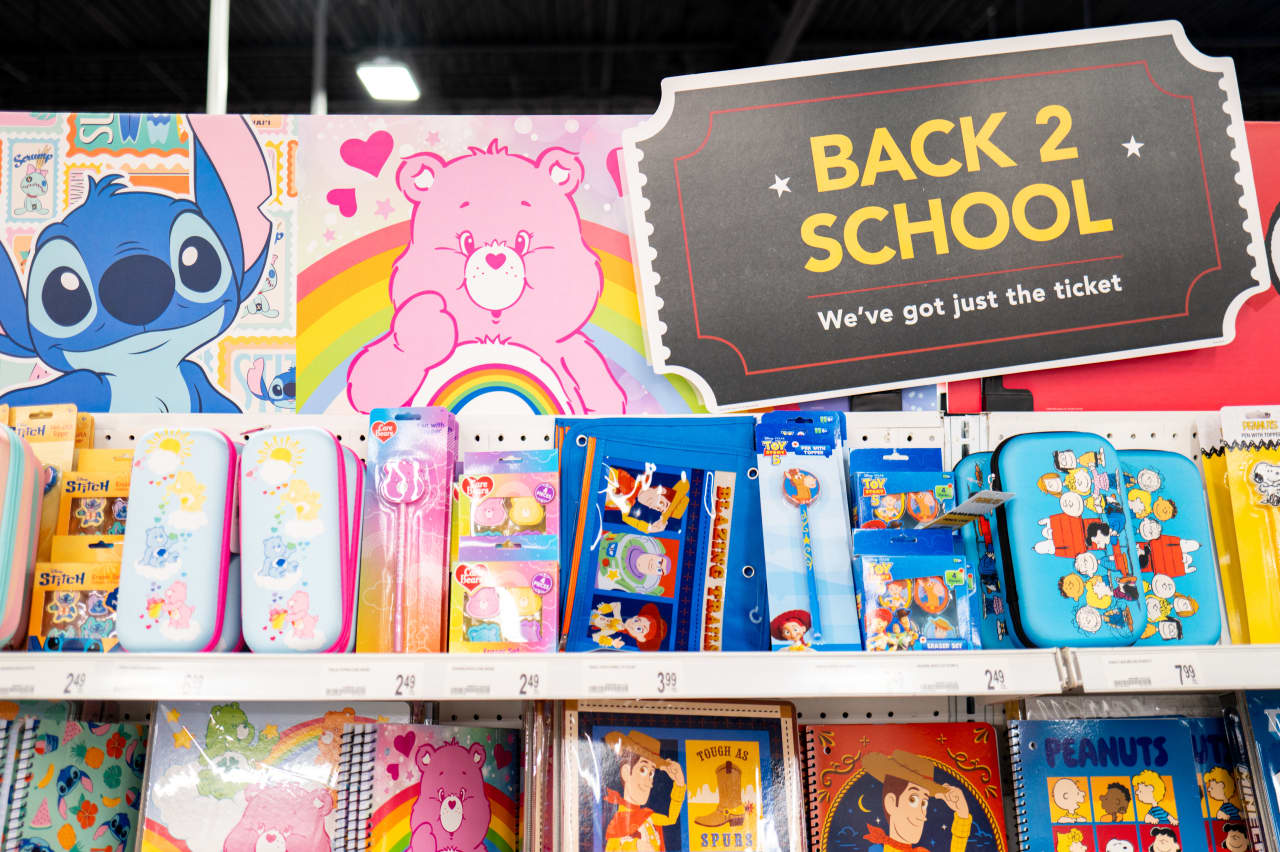
Sixteen U.S. states are implementing tax-free shopping holidays to help families manage rising back-to-school costs. With average expenses now exceeding $800 per student, these initiatives aim to provide essential fiscal relief amid ongoing inflationary pressures.
The Financial Burden of Back-to-School Season
As the academic year approaches, the intersection of seasonal demand and persistent inflationary pressure has created a challenging environment for American families. Recent reports indicate that the average cost to prepare a single student for the upcoming school year has now surpassed $800. This figure encompasses a broad range of essential requirements, including technological devices, specialized apparel, and traditional stationery supplies, all of which have seen significant price volatility in the current economic landscape.
The Role of Tax-Free Holidays
In response to these mounting financial pressures, sixteen U.S. states have strategically implemented tax-free shopping days. These legislative measures are designed to provide direct relief to household budgets by exempting specific items—most notably school supplies, clothing, and in some instances, computers—from state sales tax for a limited duration. By incentivizing retail traffic during these windows, states hope to mitigate the "sticker shock" associated with essential educational purchases.
Inflationary Drivers and Household Impact
The decision to offer these tax holidays is a direct reaction to the broader macroeconomic climate. Inflation has consistently eroded the purchasing power of the average consumer, making the accumulation of $800 per student a daunting fiscal hurdle for many working-class families. When basic necessities like notebooks, calculators, and footwear experience price hikes due to supply chain disruptions and increased production costs, the cumulative burden on a household with multiple children becomes substantial.
Economic Implications for Retailers and States
While consumers benefit from the immediate savings of a few percentage points on sales tax, these holidays also serve as a critical stimulus for the retail sector. Retailers often align promotional sales with these tax-free windows to maximize volume, creating a "double savings" opportunity for parents. For state governments, the trade-off involves sacrificing short-term tax revenue in exchange for boosting local commerce and ensuring that students are adequately equipped for the academic year ahead.
Future Trends and Outlook
Looking forward, the persistence of these tax-free initiatives suggests that policymakers are increasingly recognizing the necessity of targeted tax relief during periods of high inflation. As long as the cost of education-related materials remains elevated, it is likely that states will continue to utilize these holidays as a standard tool for economic relief. Consumers should remain vigilant in tracking state-specific exemptions, as the list of tax-free items varies significantly by jurisdiction and often carries specific price caps.
Verification Required?