Tax tips for TikTok stars, after judge says influencer can’t write off his Grammy tickets
Source Entity
Andrew Keshner
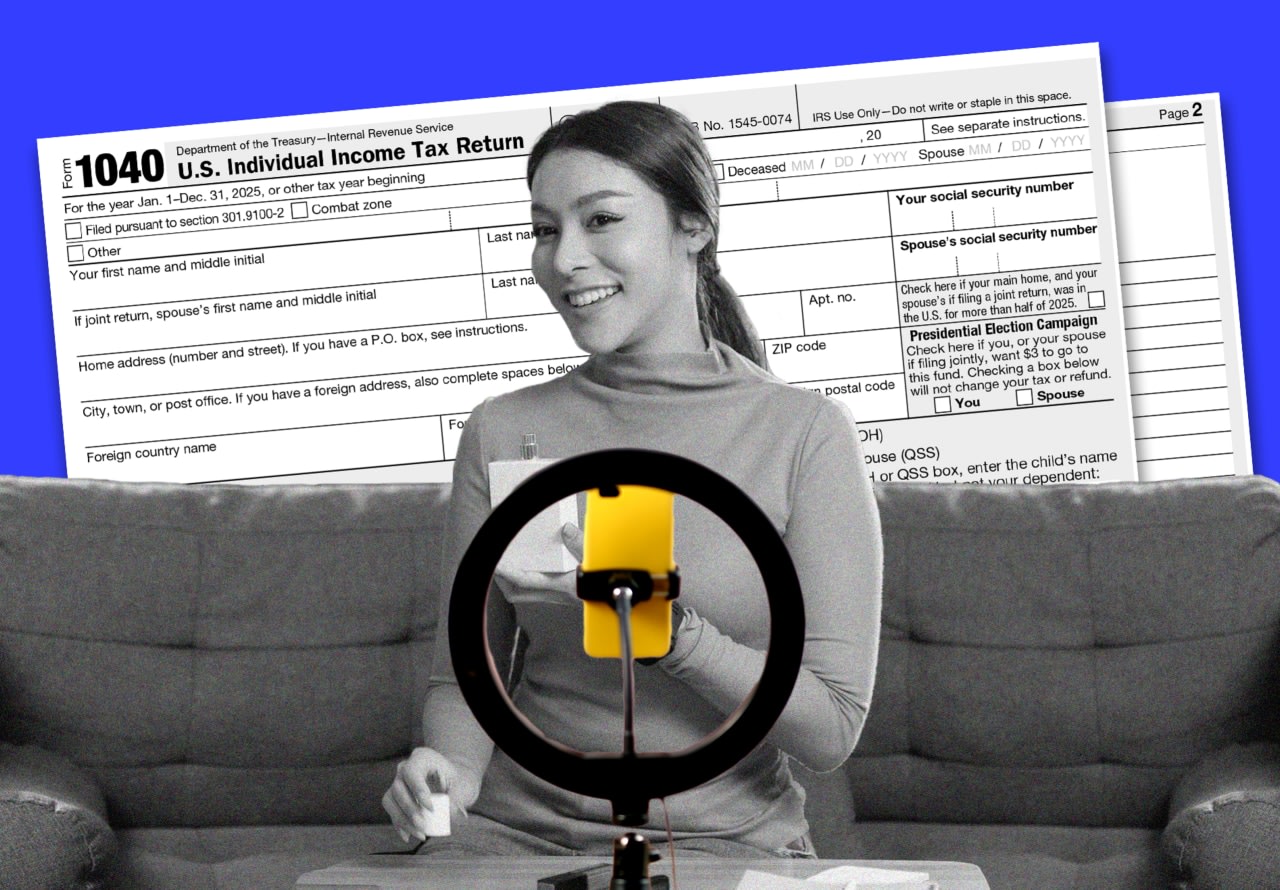
A recent court ruling against a TikTok influencer regarding Grammy ticket tax deductions highlights critical tax compliance pitfalls for content creators. This case serves as a broader reminder for all taxpayers to strictly distinguish between personal expenses and legitimate business costs.
The Tax Reality for Modern Content Creators
A recent judicial decision involving a prominent TikTok influencer has sent a ripple effect through the creator economy, specifically regarding the deductibility of high-profile event attendance. The court’s ruling that Grammy tickets cannot be claimed as a business expense serves as a stark reminder that the Internal Revenue Service (IRS) and the judiciary are increasingly scrutinizing the blurred lines between personal lifestyle and professional necessity in the digital age.
The Pitfall of Personal vs. Professional Expenses
One of the primary challenges for influencers is the tendency to treat lifestyle activities as tax-deductible business expenses. In this case, the court determined that the Grammy tickets did not meet the rigorous 'ordinary and necessary' standard required under tax law. For content creators, this underscores the necessity of maintaining a clear separation between personal enjoyment and legitimate promotional activities, as the burden of proof rests entirely on the taxpayer to demonstrate a direct link to income generation.
Documenting the Business Case
To avoid similar tax pitfalls, influencers must move beyond vague justifications for expenses. It is not enough to simply attend an event and claim it is for 'content creation'; taxpayers must keep meticulous records, including detailed logs of how the expense directly facilitated business growth or revenue. Without concrete evidence of business intent, such as specific contracts or measurable marketing outcomes, these deductions are highly vulnerable to being disallowed during an audit.
Broader Implications for the Gig Economy
This ruling is indicative of a broader trend where tax authorities are catching up to the rapid evolution of the creator economy. As more individuals monetize their social media presence, the lack of traditional corporate oversight means that many influencers are self-reporting without the guidance of formal accounting departments. This case highlights the urgent need for creators to treat their digital presence as a legitimate small business entity rather than a personal brand extension.
Lessons for All Taxpayers
While this scenario is specific to influencers, the underlying tax principles apply to all taxpayers. Whether one is a freelancer, a small business owner, or an employee navigating remote work expenses, the rules regarding 'ordinary and necessary' costs remain consistent. The judiciary’s focus on the Grammy tickets reinforces a universal mandate: transparency, documentation, and the honest classification of expenses are the best defenses against tax litigation.
Future Trends in Creator Compliance
Looking forward, we can expect increased oversight of digital-first business models. Tax agencies are likely to implement more stringent guidelines specifically tailored to the nuances of social media marketing. Creators who prioritize tax literacy and seek professional consultation today will be better positioned to navigate these regulatory shifts, ensuring their long-term financial stability in an increasingly complex fiscal landscape.
Verification Required?