Telangana CM Revanth calls for PRT system to improve public transport in Hyderabad
Source Entity
India Latest News: Top National Headlines Today & Breaking News | The Hindu
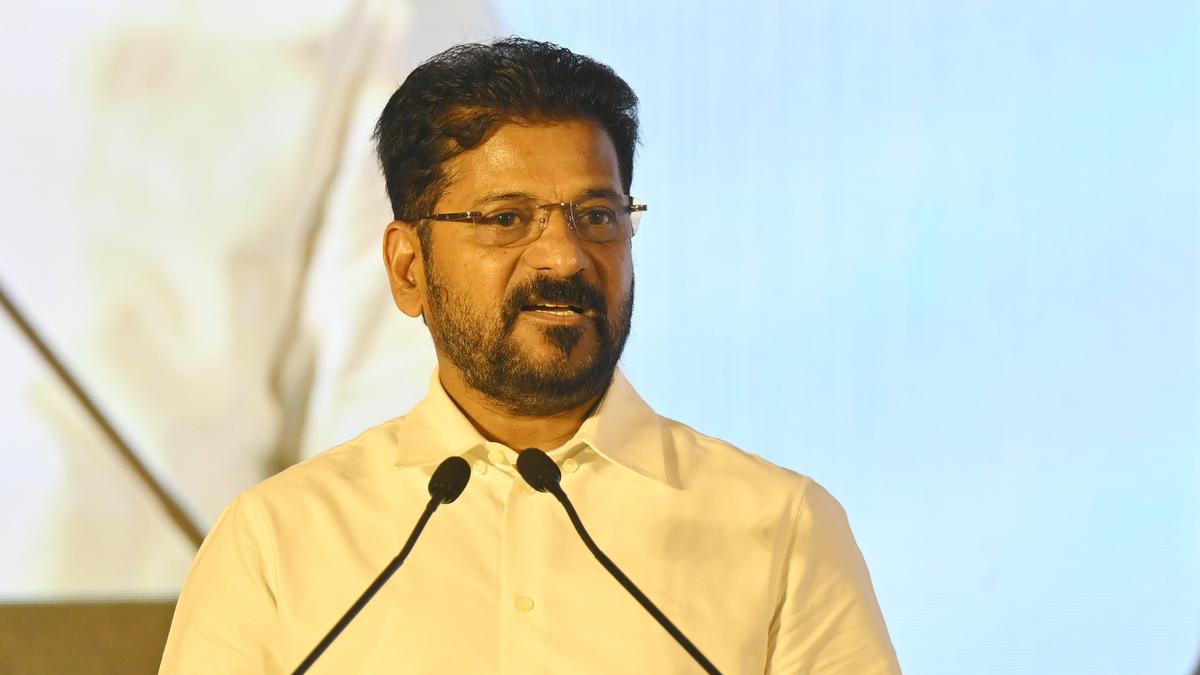
Telangana Chief Minister Revanth Reddy has proposed implementing a Personal Rapid Transit (PRT) system in Hyderabad to reduce congestion. The project aims to integrate industrial hubs with existing transit networks using advanced, well-maintained technology.
Transforming Hyderabad's Urban Mobility: The PRT Initiative
Telangana Chief Minister A. Revanth Reddy has initiated a strategic push to overhaul urban mobility in Hyderabad by proposing the implementation of a Personal Rapid Transit (PRT) system. This move, discussed during a review meeting regarding the Core Urban Region Economy (CURE), signals a shift toward modernizing the city's infrastructure to accommodate its rapidly expanding population and industrial footprint. By focusing on PRT—a system characterized by small, automated vehicles operating on a guideway network—the administration aims to address the persistent issue of traffic congestion in high-density areas.
Integrating Transit Networks
A core component of the Chief Minister’s directive is the seamless integration of the proposed PRT system with existing transit frameworks. The plan explicitly targets the connectivity between residential neighborhoods, industrial employment centers, and major transport hubs such as the Metro Rail, Multi-Modal Transport System (MMTS), and bus stations. By creating a 'last-mile' connectivity solution, the government hopes to incentivize public transport usage, thereby reducing the reliance on private vehicles and alleviating pressure on Hyderabad's arterial roads.
The Role of Advanced Technology and Maintenance
Mr. Reddy’s emphasis on advanced technology and meticulous maintenance protocols is a critical acknowledgment of the challenges that often plague urban transit projects. Successful PRT implementation requires high-precision sensors, automated routing, and robust safety systems. By prioritizing these elements at the planning stage, the government aims to avoid the pitfalls of system stagnation. The instruction to study global best practices suggests that the state is looking to adopt proven international models rather than relying on experimental frameworks, ensuring the system is both scalable and reliable.
Strategic Location Selection
The effectiveness of a PRT system is largely dependent on its footprint. The Chief Minister has directed officials to carefully select locations that experience high footfall and significant traffic bottlenecks. By identifying key industrial and residential corridors that currently lack efficient public transit access, the administration intends to maximize the utility of the network. This data-driven approach is essential for ensuring that the infrastructure investment yields tangible economic and social benefits for commuters.
Future Mobility and Urban Economics
This initiative under the CURE project highlights a broader vision for Hyderabad as a sustainable global city. As the city continues to attract global investment and grow as a major tech hub, the demand for efficient, high-tech transit solutions will only intensify. The move toward PRT is not merely an infrastructure project but an economic strategy designed to improve the quality of life for the workforce and maintain the city’s competitive edge in the national landscape. By modernizing transport, the government is laying the groundwork for long-term urban efficiency.
Conclusion
In summary, the push for a PRT system in Hyderabad represents a proactive approach to solving complex urban challenges. By integrating new technology with existing transit nodes and focusing on strategic deployment, the Telangana government is positioning Hyderabad to handle the mobility needs of the future. The success of this project will ultimately depend on the government's ability to transition from planning to execution while maintaining high standards of operational efficiency.
Verification Required?