El Nino concerns: Hyderabad tanker bookings double; households told to cut water use by 20%
Source Entity
India Latest News: Top National Headlines Today & Breaking News | The Hindu
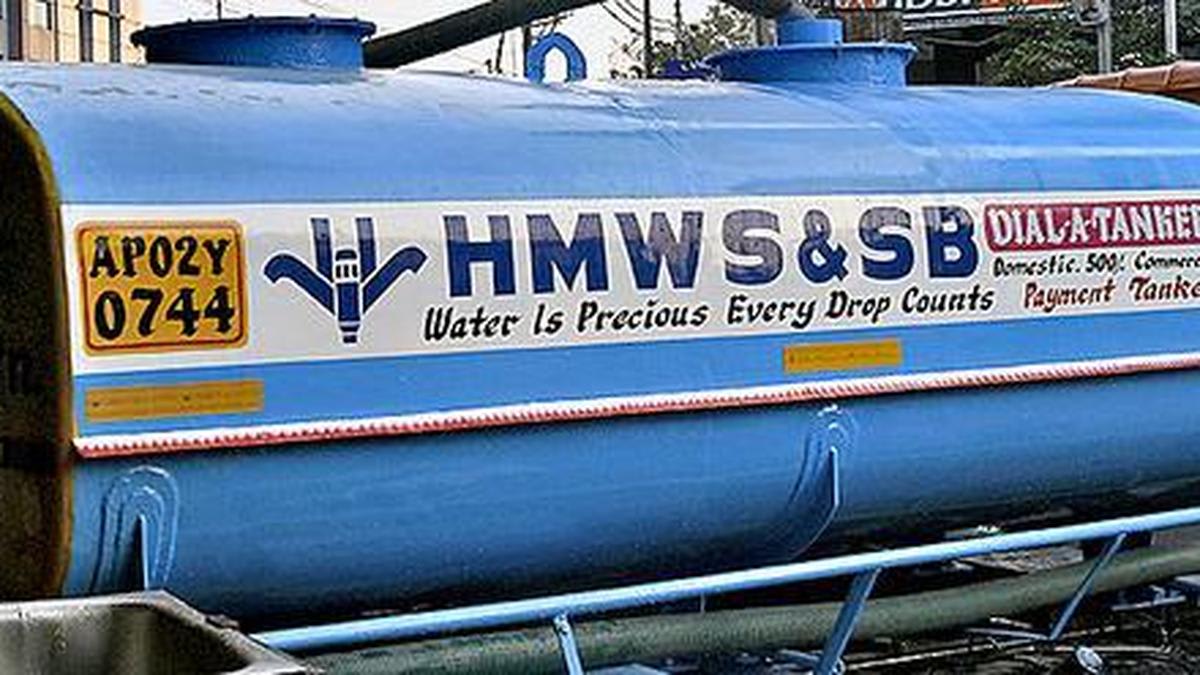
Telangana is proactively addressing potential El Niño-driven water scarcity by implementing strict conservation measures and infrastructure upgrades. Authorities have called for a 20% reduction in household water usage as tanker demand in Hyderabad has doubled.
Telangana Prepares for Water Scarcity Amid El Niño Threats
As the specter of El Niño looms over the Indian subcontinent, the Telangana government has initiated a comprehensive contingency plan to mitigate the risks of severe water shortages. Under the leadership of Minister for Panchayat Raj and Rural Water Supply, Danasari Anasuya Seethakka, officials are tasked with developing habitation-wise summer action plans. These measures aim to secure drinking water supplies, particularly in rural and agency areas, which are historically the most vulnerable to climate-induced drought conditions.
Infrastructure and Ground-Level Interventions
The state’s strategy focuses on bolstering long-term resilience through physical infrastructure. Directives have been issued to expedite the completion of borewell recharge structures and the construction of check dams. By identifying alternative water sources before the peak of summer, the government aims to prevent the depletion of aquifers. Furthermore, the administration has emphasized the importance of safeguarding existing water pipelines during road construction works to prevent unnecessary wastage and service disruptions.
The Urban Crisis in Hyderabad
While rural areas prepare for agricultural and drinking water challenges, Hyderabad is already experiencing the direct impact of climate stress. Daily water tanker bookings have surged from 3,500 in October of the previous year to 7,000 this year, signaling a significant strain on the city's supply chain. Data from the Ground Water Department indicates that 13 out of 16 mandals in the Hyderabad district are currently facing a rainfall deficit, placing immense pressure on the city’s primary water sources.
Conservation and Demand Management
In response to these developments, the government has urged citizens to reduce water consumption by at least 20%. To manage this crisis, officials are pivoting toward the reuse of treated wastewater. This strategy involves diverting recycled water for non-drinking purposes, such as construction projects, landscaping, and industrial operations, thereby preserving high-quality potable water for household consumption. This shift reflects a broader policy trend toward a circular water economy in rapidly urbanizing Indian cities.
Strategic Agricultural Adjustments
Beyond water management, the state is addressing the agricultural sector's vulnerability to El Niño. The government is promoting awareness campaigns centered on short-duration crops that require less irrigation. By aligning crop choices with anticipated weather patterns, officials hope to stabilize the rural economy and ensure that irrigation needs do not prematurely exhaust drinking water reserves, as per the government's mandate to prioritize domestic supply by November 1.
Future Outlook and Policy Implications
The proactive stance taken by Telangana officials, including Special Chief Secretary Jayesh Ranjan, highlights the increasing necessity of climate-responsive governance. By integrating energy conservation with water management, the state is attempting to create a multi-pronged defense against the erratic rainfall patterns exacerbated by global climate phenomena. The success of these measures will likely serve as a benchmark for other regions in India as they navigate the growing challenges of urban water security and rural drought management.
Multiple Citing Sources
Verification Required?