NEET-UG: Central govt staff’s children to get ‘local’ status for MBBS admissions, says court
Source Entity
Vineet Upadhyay
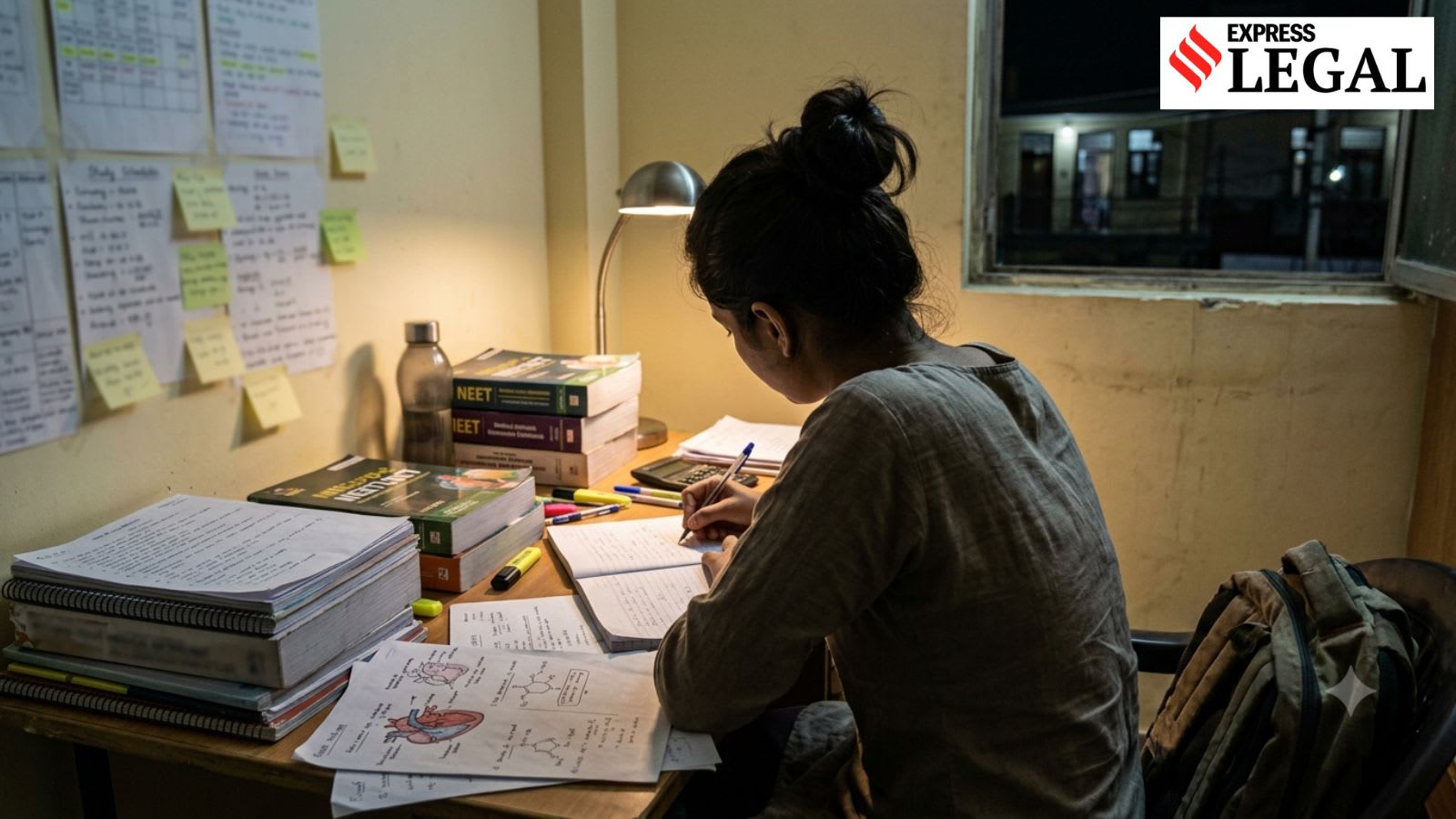
The Telangana High Court has ruled that children of central government employees transferred out of the state are eligible for 'local' status in NEET-UG medical admissions. This decision addresses the residency challenges faced by mobile government workforce families.
Telangana High Court Ruling on NEET-UG Local Status
A Landmark Decision for Central Employees
The Telangana High Court has delivered a significant verdict concerning the residency criteria for medical and dental admissions within the state. Chief Justice Aparesh Kumar Singh and Justice G M Mohiuddin ruled that children of central government employees who have been transferred outside of Telangana should continue to be treated as 'local' candidates for MBBS and BDS admissions. This decision serves as a vital legal intervention for families whose professional obligations necessitate frequent inter-state relocation.
Contextualizing the Legal Dispute
The ruling originated from a petition filed by Kodimela Samhitha, an 18-year-old student who cleared the National Eligibility cum Entrance Test (NEET-UG) 2026. The conflict arose when the student, despite her academic qualification, faced exclusion from local candidate status under existing Telangana admission rules. Her father, an employee of the Employees’ State Insurance Corporation (ESIC), had been transferred from Hyderabad to Tirupati, Andhra Pradesh, which effectively disqualified her from the local quota under the previous regulatory interpretation.
Addressing the 'Local' Status Dilemma
Under the Presidential Order and existing state medical admission policies, 'local' status is typically tied to continuous residency or schooling in the state for a specified number of years. However, this rigid framework often penalizes children of central government employees who are required to relocate for service. The court's intervention highlights the necessity of balancing administrative residency requirements with the practical realities of a mobile, pan-India central workforce.
Broader Implications for Medical Admissions
This judgment potentially sets a precedent for how states handle residency quotas in competitive examinations like NEET-UG. By validating the petitioner's claim, the court has acknowledged that the transfer of a parent is an involuntary act of state service, and such professional mobility should not result in the loss of educational opportunities for their dependents. This decision is likely to prompt a review of similar admission rules in other states that currently lack exemptions for central government staff.
Future Trends in Educational Policy
Looking ahead, this ruling may influence future policy-making regarding state-level professional course admissions. As the central government continues to deploy personnel across various states, the demand for standardized, inclusive residency policies will likely grow. Educational authorities may need to integrate more flexible 'local status' definitions that account for the service records of central government employees, ensuring that academic merit is not stifled by administrative technicalities.
Conclusion
The Telangana High Court's decision represents a victory for fairness and administrative empathy. By securing the rights of students whose parents serve the central government, the judiciary has ensured that regional admission protocols evolve to reflect the migratory nature of public service. This ruling not only resolves the specific grievance of the petitioner but also provides a clearer legal framework for future applicants in similar circumstances.