Remove the blood and violence from Telugu cinema’s 2026 blockbusters: What actually remains?
Source Entity
Yashaswini Sri
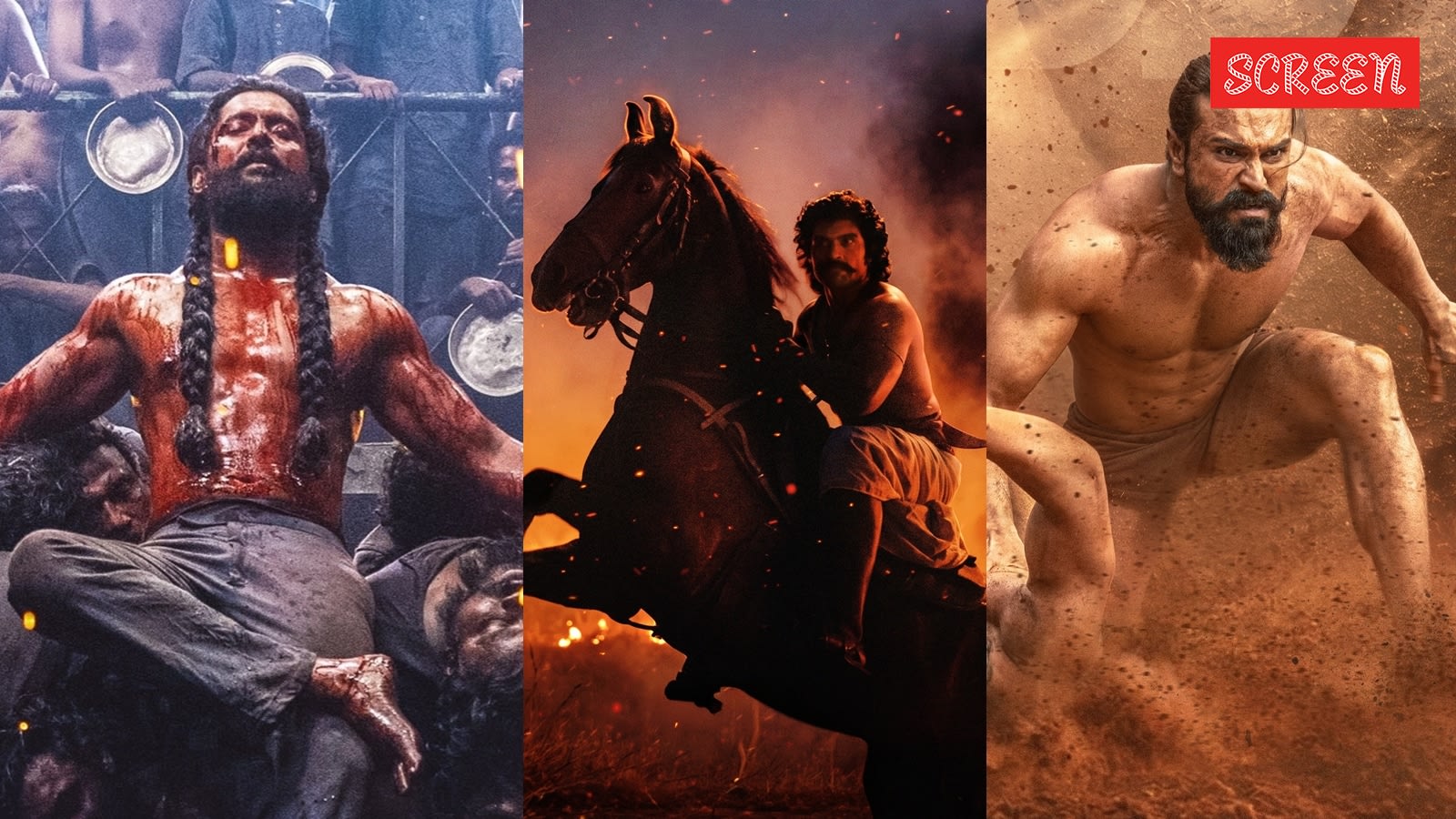
Telugu cinema in 2026 is facing a creative crisis where excessive violence has become a substitute for substance. A-list stars across the industry have relied heavily on blood and action, raising concerns about the long-term sustainability of this trend.
The Crisis of Substance in 2026 Telugu Cinema
As the 2026 calendar year draws to a close, a critical examination of Telugu cinema reveals a troubling trend: a reliance on visceral violence as the primary pillar of blockbuster filmmaking. Films like Peddi, The Paradise, Ranabaali, Ustaad Bhagat Singh, and Dacoit have dominated the box office, yet their common denominator is an aesthetic saturated with blood, swords, and gunfire. This shift signals a departure from character-driven narratives toward a spectacle-first model that prioritizes sensory overload over emotional resonance.
The Erosion of Narrative Depth
When we strip away the violent spectacles—the calculated assassinations in Ustaad Bhagat Singh or the brutal skirmishes in Ranabaali—the core narrative foundation of these films often appears thin. The industry seems to have arrived at a consensus that high-octane aggression is the safest route to commercial success. However, by leaning so heavily on these tropes, filmmakers risk alienating audiences who seek complexity, nuance, and thematic depth. When violence ceases to be a tool for storytelling and becomes the story itself, the artistic value of the medium is significantly diminished.
The 'A-List' Bet on Brutality
It is notable that the industry's most prominent stars—including Ram Charan, Nani, Vijay Deverakonda, Pawan Kalyan, and Adivi Sesh—have all gravitated toward projects defined by extreme violence in the same year. This synchronicity suggests a systemic industry bet rather than an isolated creative choice. By standardizing the 'blood-soaked hero' archetype, these actors have potentially limited their own range and the industry's capacity for genre diversity. The reliance on this formula across the board indicates a fear of experimentation and a fixation on replicating previous box-office highs through increasingly graphic content.
Historical Context and Industry Evolution
Commercial cinema has never been a stranger to violence; it has historically served as a catalyst for conflict or a display of heroism. Yet, the evolution witnessed in 2026 marks a departure from historical norms where violence was balanced by strong dialogues, familial drama, or socio-political commentary. Today, the balance has shifted entirely toward the visual depiction of gore. This trend reflects a global shift toward 'event cinema' that emphasizes spectacle, but within the specific cultural context of Telugu cinema, it risks overshadowing the rich tradition of emotional storytelling that historically defined the industry.
Future Trends and Market Sustainability
Looking ahead, the industry must grapple with the law of diminishing returns. As audiences are continually exposed to escalating levels of onscreen violence, the shock value inevitably wanes, leading to viewer fatigue. If the 2026 blockbusters serve as a bellwether, the industry faces a precarious future. To remain sustainable and relevant, Telugu cinema must pivot back toward scripts that prioritize character development and thematic exploration. Without a pivot, the industry risks being defined by its weakest common denominator rather than its creative potential.
Conclusion
In summary, the 2026 cinematic landscape in Tollywood is characterized by a high-stakes gamble on violence. While these films have undoubtedly captured attention, they have also exposed a vulnerability in the industry's creative pipeline. The question remains: can the industry evolve beyond the blade and the bullet to reclaim the storytelling prowess that made it a powerhouse in the first place?