‘We only want to watch TV’: Landlord asks tenant for Wi-Fi password, offers ₹200 off electricity bill
Source Entity
Latest News: Todays Latest News Headlines from India & World | Hindustan Times | Hindustan Times
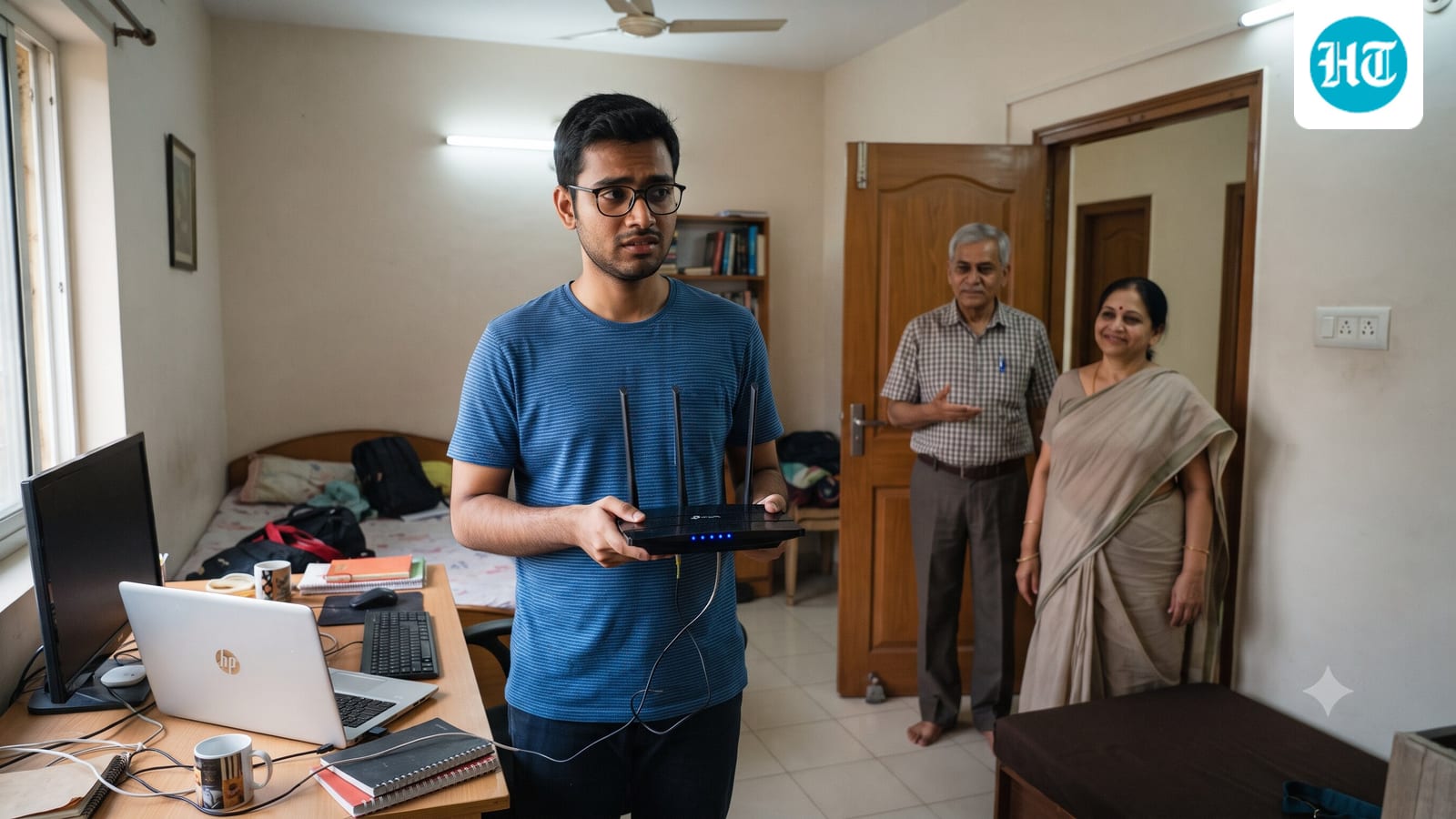
A tenant in India is seeking advice after his landlords repeatedly pressured him to share his personal Wi-Fi password. The landlord attempted to incentivize the request by offering a ₹200 reduction on the electricity bill, sparking a debate on privacy and rental boundaries.
The Privacy Dilemma in Modern Tenancy
The recent incident involving a tenant being pressured by his landlords for his personal Wi-Fi password highlights a growing friction point in the Indian rental market. While the digital age has made internet connectivity a fundamental utility, the lack of defined boundaries regarding "shared resources" in residential agreements often leads to uncomfortable social dynamics. In this specific case, the tenant, having only occupied the property for a week, found himself in a precarious position where his landlords were not merely asking for a favor but persistently pursuing access to his private connection.
The Economics of the Request
The landlord’s attempt to formalize this arrangement by offering a ₹200 discount on the electricity bill suggests a transactional approach to what is essentially a breach of digital privacy. By attempting to commodify the Wi-Fi access, the landlord effectively devalues the tenant's autonomy over his own utility. This creates an awkward power imbalance, as the tenant feels forced to choose between maintaining a harmonious relationship with his landlord and protecting the security and bandwidth of his personal internet connection.
Digital Privacy and Security Risks
From a technical standpoint, sharing a Wi-Fi password with a landlord—who may have multiple devices or guests—poses significant security risks. The tenant is not just sharing data; he is potentially providing access to his local network, which could expose his personal devices to security vulnerabilities. Furthermore, if the tenant is responsible for the connection, he remains legally liable for any activity occurring on that network, a responsibility that is rarely accounted for in a simple ₹200 electricity bill offset.
The Broader Rental Landscape in India
This incident is not an isolated event but rather reflective of a broader, often contentious, rental environment in major Indian cities. As seen in recent reports regarding Bengaluru, where tenants face high deposits and discriminatory practices against bachelors, the power dynamic in the Indian housing market heavily favors the property owner. Tenants often feel pressured to comply with unreasonable demands to avoid the threat of eviction or further harassment, turning what should be a professional relationship into a source of constant stress.
Navigating Tenant-Landlord Relations
For many, the internet is no longer a luxury but a necessity for remote work and education. When a landlord encroaches upon this space, it disrupts the tenant's ability to maintain a professional environment. The tenant’s decision to seek advice on public forums like Reddit indicates a lack of formal channels to mediate such disputes. It underscores the need for clearer rental agreements that explicitly define the scope of utilities and the limits of landlord interference in a tenant's private life.
Conclusion
Ultimately, this scenario serves as a cautionary tale about the importance of setting boundaries early in a tenancy. While the landlord’s offer may seem like a trivial gesture, the underlying request threatens the digital sanctity of the tenant's home. As rental markets become increasingly competitive and complex, both parties must prioritize transparent communication to prevent such trivial matters from escalating into significant residential conflicts.
Verification Required?