Tesla driver who blamed crash on autopilot pressed accelerator 100%, NTSB finds
Source Entity
Ashley Belanger
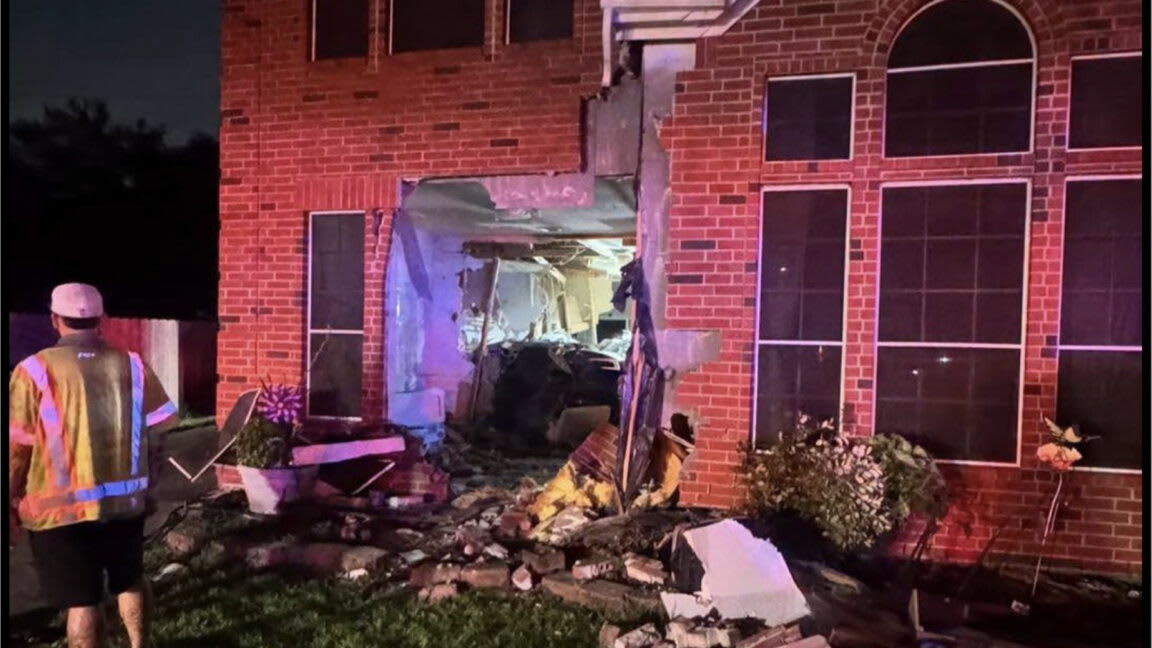
The National Transportation Safety Board (NTSB) has determined that a Tesla driver who blamed a crash on the Autopilot system actually depressed the accelerator pedal to 100%, manually overriding the Full Self-Driving (FSD) capabilities.
Human Error vs. Machine Intelligence: Analyzing the NTSB's Tesla Crash Findings
In a pivotal clarification of the boundary between autonomous assistance and human control, the National Transportation Safety Board (NTSB) has released findings regarding a Tesla crash that underscores a recurring theme in modern automotive litigation: pedal misapplication. The investigation reveals that while the driver attributed the collision to a failure of Tesla's Autopilot/Full Self-Driving (FSD) software, the telemetry data tells a different story. Specifically, the driver depressed the accelerator pedal to 100%, a manual input that effectively overrides the system's autonomous braking and steering logic, leading directly to the accident.
The Forensic Reality of "Pedal Misapplication"
At the heart of this investigation is the distinction between a software "glitch" and a human mechanical error. The NTSB, known for its rigorous forensic approach to transportation accidents, utilized vehicle logs to determine that the acceleration was not a command generated by the FSD software, but a direct physical input from the driver. This phenomenon, often termed "pedal misapplication," occurs when a driver, often in a state of panic or cognitive overload, confuses the brake pedal with the accelerator. In this instance, the 100% throttle input provided an irrefutable data point that contradicts the driver's claim of system failure, shifting the liability from the manufacturer to the operator.
Automation Bias and the Psychology of Control
This incident highlights a critical psychological challenge in the transition to autonomous vehicles known as "automation bias." As drivers become accustomed to the high reliability of systems like FSD, they may develop an over-reliance on the technology, leading to a diminished state of situational awareness. When a critical moment occurs, the transition from "passive observer" back to "active driver" can be jarring. The NTSB's finding suggests that the driver may have attempted to react to a perceived threat but did so by flooring the accelerator rather than the brake, perhaps due to a momentary lapse in spatial awareness—a human error that the software is designed to support, but not always override, when a driver provides a definitive, full-throttle command.
Vindicating the "Driver-in-the-Loop" Philosophy
For years, Elon Musk and Tesla have maintained that their driver-assistance systems are not fully autonomous and require a fully attentive human driver who is ready to take over at any moment. This NTSB finding serves as a significant vindication of that specific corporate stance. By proving that a manual override occurred, the NTSB has reinforced the legal and technical argument that the human remains the final authority in the vehicle. This puts the onus back on the user to adhere to the operational guidelines of the software, which explicitly state that the driver is responsible for the vehicle's behavior regardless of the mode engaged.
Broader Implications for Regulatory Oversight
Beyond this single crash, the NTSB's findings contribute to a growing body of evidence that regulators like the National Highway Traffic Safety Administration (NHTSA) are using to evaluate the safety of Level 2 automation. The recurring nature of these "pedal misapplication" events is prompting a broader discussion on whether vehicles should have "sanity check" algorithms—software that can recognize when 100% acceleration is illogical given the proximity of an obstacle, and automatically intervene even if the driver is pressing the pedal. This case emphasizes the tension between giving the driver total control and implementing safety overrides that can prevent human-caused catastrophes.
Future Trends in Driver Monitoring Systems
Looking forward, this incident is likely to accelerate the adoption of more intrusive driver-monitoring systems (DMS). Tesla has already begun utilizing internal cabin cameras to ensure drivers are looking at the road. However, the NTSB's findings suggest that monitoring "attention" is not enough; monitoring "intent" and "action" is where the next frontier of safety lies. We can expect future iterations of FSD and competing systems to integrate more sophisticated haptic feedback or emergency braking overrides that can distinguish between a deliberate acceleration and a panicked misapplication of the pedal.
Conclusion
Ultimately, the NTSB's conclusion that the driver pressed the accelerator to 100% strips away the ambiguity of the crash, transforming a narrative of "tech failure" into one of "human error." While the allure of full autonomy continues to drive the industry, this event serves as a stark reminder that the interface between human intuition and machine execution remains the most volatile point of failure in modern transportation. As the technology evolves, the focus will inevitably shift from making the car "smarter" to making the human-machine handoff safer.