The rising cost of capital for companies today is starting to spook the stock market: ‘The worry is the spending might not pay off’
Source Entity
Joy Wiltermuth
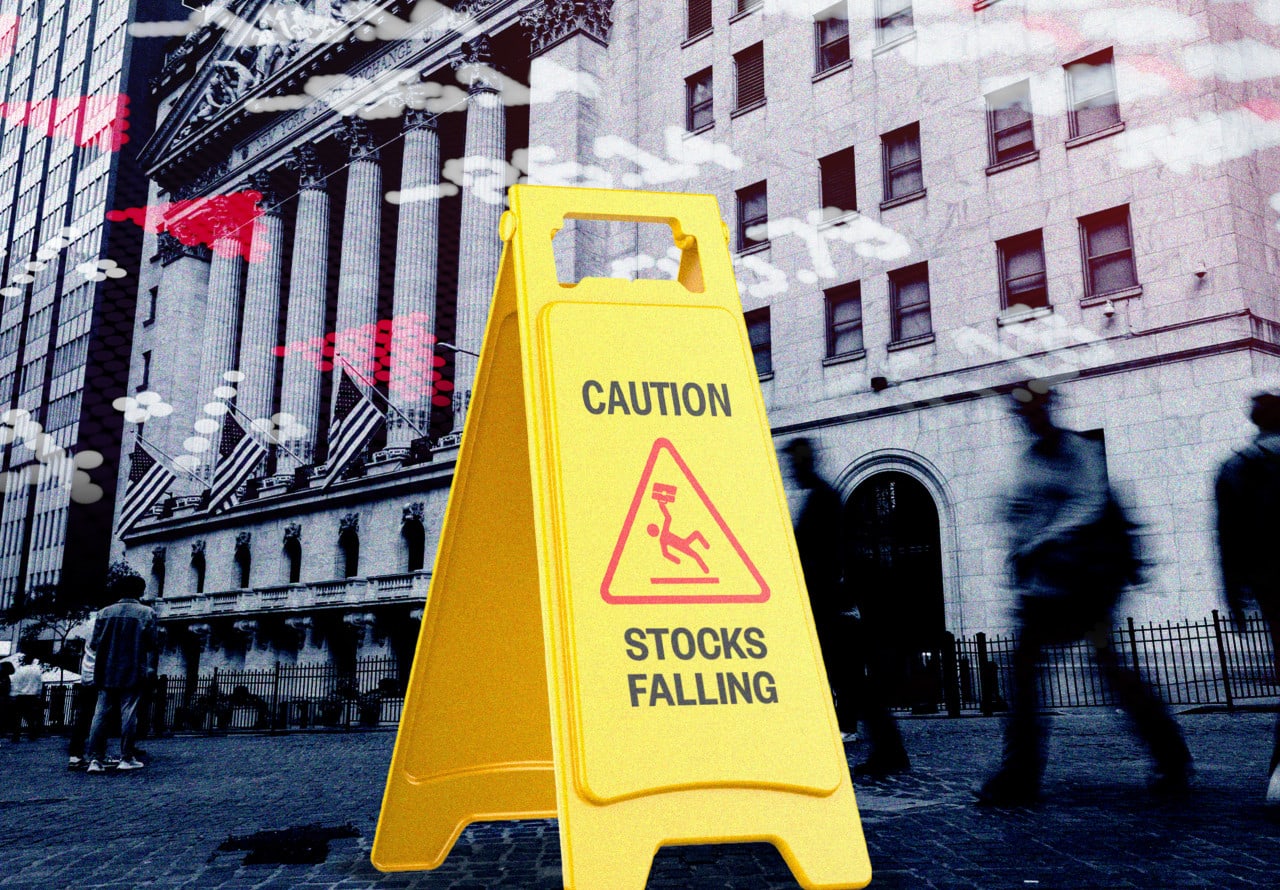
Tesla's robotaxi program experienced a 36% decline in paid miles during the second quarter, contradicting the company's aggressive autonomy goals. This downturn, paired with broader market concerns over rising capital costs and AI investment returns, has significantly impacted investor confidence.
The Robotaxi Reality Check: Tesla’s Strategic Pivot
Tesla’s recent disclosure that paid robotaxi miles fell by 36% in the second quarter marks a significant deviation from the company's stated trajectory. Despite expanding operations into new geographic markets, the data reveals a stark contrast between corporate rhetoric and operational performance. This decline is particularly notable given CEO Elon Musk’s public commitment to going "balls to the wall" for autonomous driving, a pivot that remains the cornerstone of Tesla’s long-term valuation strategy.
Financial Headwinds and Market Sentiment
The drop in robotaxi mileage coincides with a period of broader financial strain for the company. Tesla’s core business segments underperformed against Wall Street’s expectations, leading to a sharp 13% decline in stock value. This market reaction reflects a growing investor skepticism regarding the immediate profitability of capital-intensive projects. When coupled with the broader macroeconomic environment—characterized by rising bond yields, geopolitical instability involving Iran, and fluctuating oil prices—the appetite for speculative, high-expenditure ventures is clearly waning.
The AI Build-out Debate
Tesla’s struggles are not isolated; they mirror a wider trend in the technology sector where companies like Alphabet are doubling down on expensive AI infrastructure. Investors are increasingly questioning whether this massive capital expenditure will yield tangible returns. The "worry that spending might not pay off" has become a central theme in current earnings calls, as the high cost of capital makes it difficult for the market to absorb the financial risks associated with unproven autonomous technologies.
Leadership and the Tempering of Expectations
During the recent earnings call, there was a palpable shift in tone from leadership. While CEO Elon Musk continued to emphasize that the company is scaling as fast as humanly possible, his typical bullishness appeared moderated. By acknowledging the need to ensure the safety of unsupervised vehicles, Musk attempted to temper expectations, signaling a move toward a more cautious operational approach. This shift suggests that the company is transitioning from a phase of rapid, unchecked growth to one of regulatory and safety-focused scrutiny.
Future Trends and Strategic Outlook
Looking ahead, Tesla faces the dual challenge of proving the technical viability of its unsupervised vehicles while simultaneously stabilizing its core business financials. The future of the robotaxi program will likely depend on the company's ability to reconcile its high-growth promises with the reality of diminishing returns on current mileage figures. As the market continues to react to the rising cost of capital, Tesla must demonstrate that its autonomous fleet can transition from a cost-heavy project to a cash-generating engine, or risk further volatility in its share price.
Multiple Citing Sources
Verification Required?