Tesla’s robotaxis are moving in reverse
Source Entity
Sean O'Kane
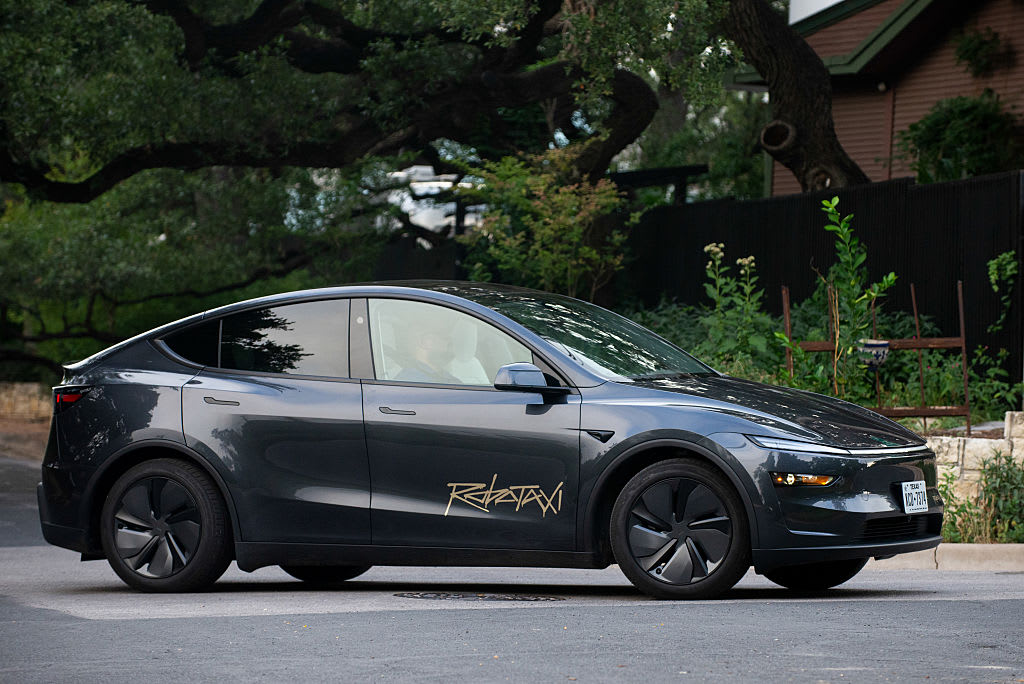
Tesla reported a 36% decline in paid robotaxi miles during the second quarter, contradicting the company's aggressive pivot toward autonomous transport. This performance dip, coupled with broader earnings misses, triggered a significant stock market sell-off.
The Robotaxi Paradox: Tesla's Strategic Shift Under Pressure
Tesla’s recent disclosure of a 36% decline in paid robotaxi miles during the second quarter marks a pivotal moment for the electric vehicle giant. Despite the company’s expansion into new geographical markets, the data reveals a contraction in core autonomous operations. This decline is particularly striking given CEO Elon Musk’s public declaration in 2024 to go "balls to the wall for autonomy," positioning the robotaxi network as the cornerstone of Tesla’s future valuation and revenue model.
The Disconnect Between Rhetoric and Reality
For investors and market analysts, the discrepancy between Tesla's stated strategic priorities and their operational performance is becoming increasingly difficult to reconcile. While Tesla has spent the last year directing significant capital toward the robotaxi initiative and the Optimus humanoid robot project, these investments have yet to yield the expected growth in paid utilization. The quarterly step-down suggests that the path to full autonomy is fraught with logistical and demand-side challenges that may be more complex than the company’s leadership initially anticipated.
Financial Headwinds and Market Reaction
This operational setback is compounded by the fact that Tesla’s core business segments are currently underperforming against Wall Street expectations. With profits weakening across the board, the market has begun to scrutinize the high-burn rate associated with speculative projects. The immediate consequence of these combined pressures was a sharp correction in Tesla’s stock price, which plunged over 13% in early trading following the earnings release, signaling a loss of investor confidence in the current trajectory.
The Burden of Innovation Costs
Investors are increasingly laser-focused on the expenditure associated with the robotaxi and Optimus programs. As Tesla shifts its capital allocation toward these long-term bets, the company is effectively trading current profitability for the promise of a future autonomous fleet. However, the recent data suggests that the transition is not moving in a linear, upward direction. Instead, the company is facing a period of volatility that challenges the narrative of a seamless pivot to a service-based autonomous business model.
Future Implications and Strategic Outlook
Looking ahead, Tesla faces the critical challenge of proving that its robotaxi network can achieve the scale and reliability required to justify its massive R&D spending. The recent decline in miles traveled serves as a warning that expansion into new cities does not inherently guarantee increased customer adoption or operational efficiency. To regain market trust, Tesla will likely need to demonstrate measurable progress in its autonomous technology that translates into tangible, growing revenue streams rather than just future-facing rhetoric.
Conclusion
The 36% decline in second-quarter robotaxi miles acts as a sobering reminder of the difficulties inherent in scaling autonomous transportation. While Tesla remains committed to a future defined by AI and robotics, the current data highlights a disconnect between the company's ambitions and its immediate results. As the market continues to demand fiscal discipline, Tesla’s ability to stabilize its core operations while effectively executing its autonomy roadmap will determine its success in the coming quarters.
Multiple Citing Sources