Tesla and Alphabet shares slump in premarket trading as AI spending concerns spook investors
Source Entity
US Top News and Analysis
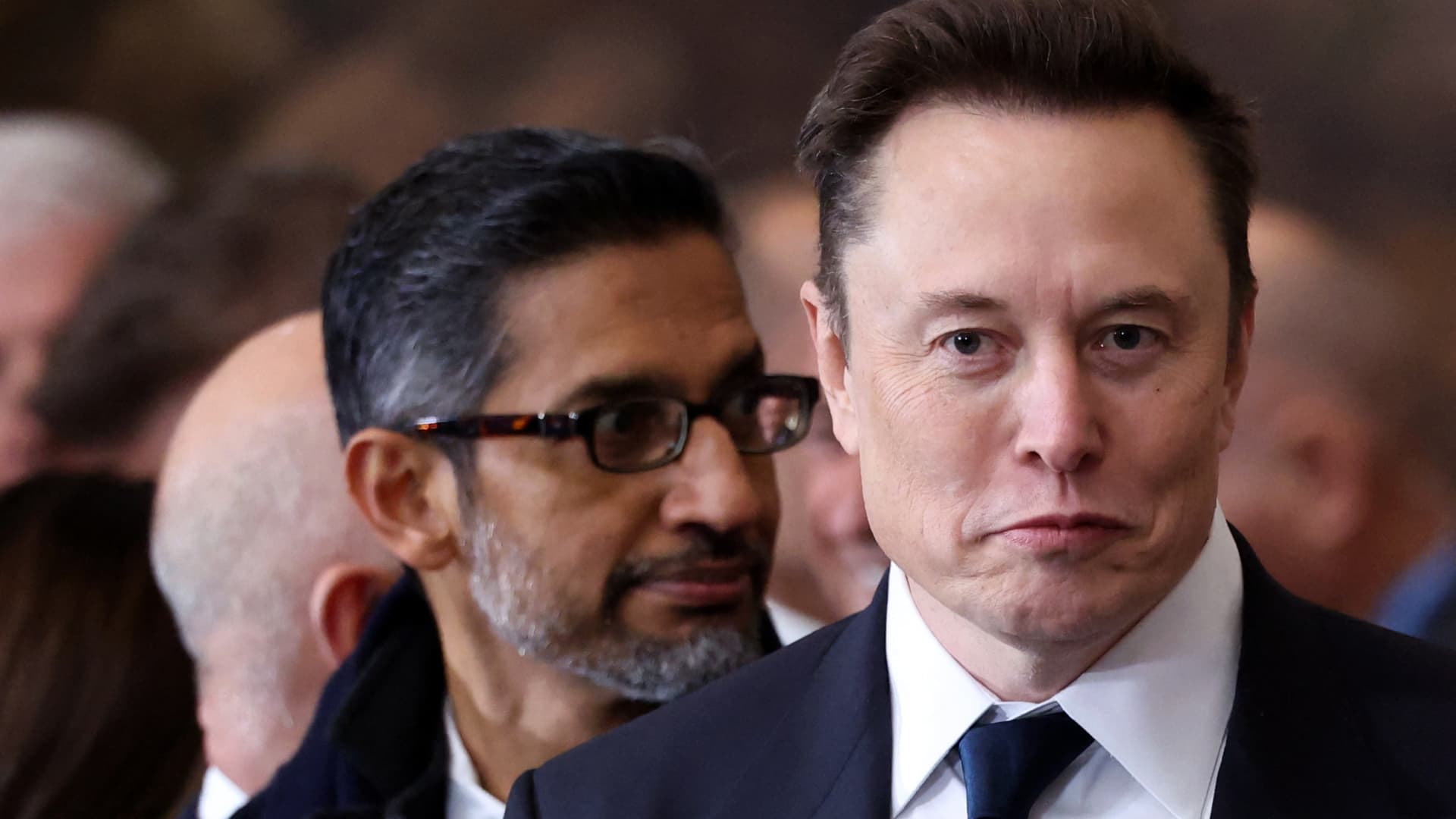
Tesla's robotaxi program experienced a 36% decline in paid miles during the second quarter, contradicting the company's aggressive autonomy goals. This downturn, paired with underperforming core business profits, triggered a significant drop in Tesla's stock price.
Tesla’s Autonomous Ambitions Hit a Roadblock
Tesla’s transition toward an autonomous future, centered on its ambitious "Robotaxi" network, has encountered a significant operational setback. Despite CEO Elon Musk’s vocal commitment to "going balls to the wall for autonomy," the company’s own figures reveal a 36% decline in paid robotaxi miles during the second quarter compared to the first. This data, released alongside the company's recent earnings report, highlights a growing disconnect between Tesla’s public rhetoric and its operational performance.
The Discrepancy Between Rhetoric and Reality
While Elon Musk continues to frame the Robotaxi program as a cornerstone of Tesla’s future valuation, the recent earnings call revealed a shift in tone. Historically marked by extreme bullishness, Musk’s recent commentary appeared tempered, focusing on the complexities of scaling while maintaining safety standards. This caution arrives at a critical juncture where the company is simultaneously attempting to expand into new cities while grappling with shrinking paid engagement metrics.
Financial Pressures and Market Reaction
The decline in robotaxi utilization is compounded by broader financial struggles within Tesla’s core business segments. With profits underperforming Wall Street’s expectations, investor sentiment has turned decidedly negative. This dissatisfaction was made clear when Tesla’s stock plummeted more than 13% in early trading following the release of the quarterly figures, signaling that the market is beginning to lose patience with speculative long-term bets that do not show immediate, consistent growth.
Macroeconomic Headwinds
Tesla’s internal challenges exist within a broader, volatile macroeconomic climate. Companies across the tech sector, including Alphabet, are facing scrutiny over the massive capital expenditures required for AI and autonomous infrastructure. With rising bond yields, geopolitical instability such as the conflict in Iran, and fluctuating oil prices, investors are increasingly risk-averse. The prevailing market anxiety centers on a simple question: whether the massive spending on future-looking technologies like robotaxis will actually yield a tangible return on investment.
The Future of Autonomous Scaling
As Tesla navigates this period of contraction, the company faces the dual challenge of proving the technical viability of its unsupervised vehicles while convincing shareholders that the "Robotaxi" dream remains fiscally responsible. The current data serves as a stark reminder that scaling autonomous transportation is a capital-intensive and logistically complex endeavor. Future trends will likely depend on whether Tesla can reverse this quarterly slide and prove that its autonomous fleet can transition from a costly development project to a reliable, cash-generating asset.
Multiple Citing Sources