Tesla found liable for fraud over $110K Solar Roof that never worked
Source Entity
TOI WORLD DESK
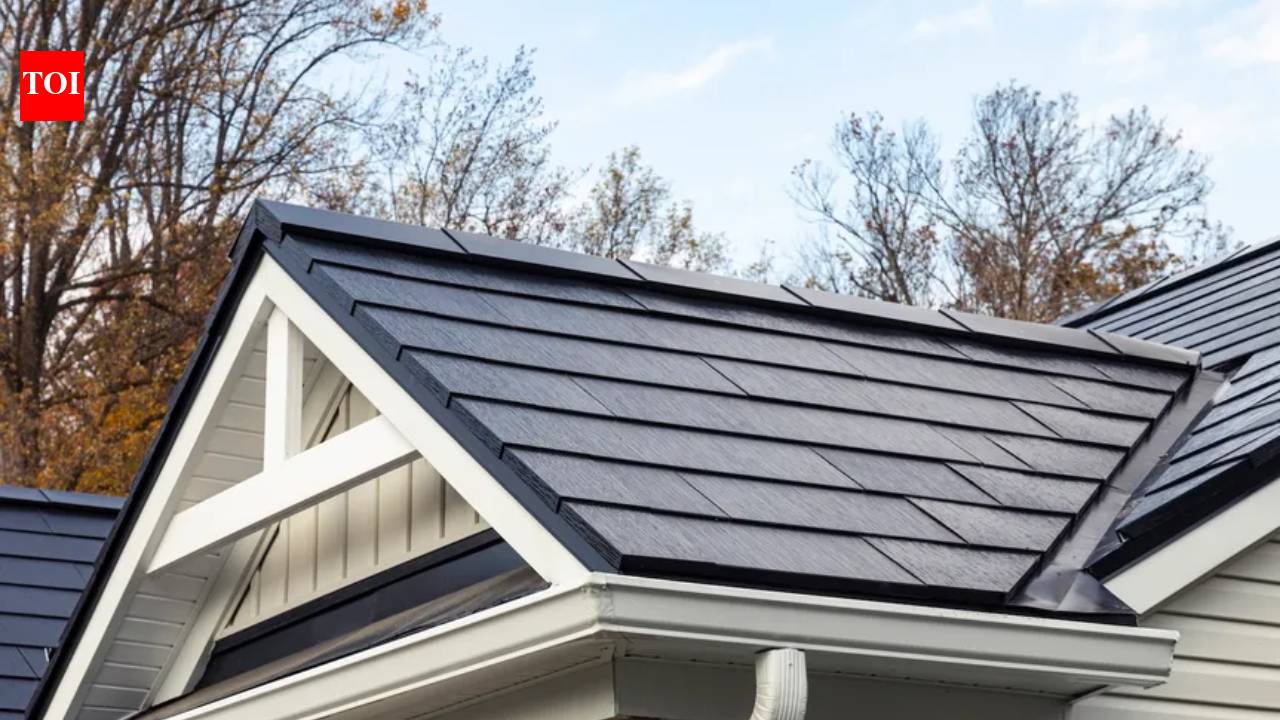
A California judge has found Tesla liable for fraud and negligent misrepresentation regarding a failed $110,000 Solar Roof installation. The homeowner claims the system never worked, while internal documents allegedly labeled the project an experiment.
The Legal Fallout of Tesla's Solar Roof Ambitions
A California judge has issued a significant ruling finding Tesla liable for fraud and negligent misrepresentation in a lawsuit brought by homeowner Ambrose Conroy. The dispute centers on a Solar Roof installation that ballooned in cost from an initial estimate of $82,210 in 2020 to a final price tag of approximately $110,000. Despite this substantial investment, the system reportedly never passed a mandatory county inspection and failed to generate a single watt of electricity, leaving the homeowner with a non-functional installation.
The 'Experiment' Allegations
Central to the court’s decision are internal Tesla communications that reportedly characterized the specific Solar Roof project as an "experiment." This revelation strikes at the heart of the fraud claim, suggesting that the company may have knowingly marketed and installed unproven or underdeveloped technology on a consumer's home without adequate disclosure. The discrepancy between the company’s public-facing marketing and its internal assessment of the technology’s maturity appears to have been a pivotal factor in the judge's determination of liability.
Structural Damage and Financial Burden
The physical state of the property has become a secondary point of contention, with the homeowner reporting extensive damaged tiles and a prolonged installation process that left the home vulnerable. The scale of the financial impact is staggering, as the homeowner estimates that remediating the installation and addressing the resulting property damage could cost upwards of $2.5 million. This highlights the severe risks associated with the deployment of complex, experimental home energy systems.
Historical Context: The Vision vs. The Reality
Elon Musk introduced the Solar Roof in 2016, framing it as an aesthetic and functional revolution meant to replace conventional roofing and traditional solar panels. By integrating photovoltaic cells directly into roofing tiles, Tesla aimed to solve the "ugly" solar panel problem. However, the transition from a conceptual product launch to reliable, large-scale residential installation has been fraught with engineering hurdles, logistical delays, and, as this case illustrates, significant legal challenges regarding consumer protection.
Broader Implications and Future Trends
This ruling serves as a cautionary tale for the renewable energy industry as it scales up. As companies push to integrate sophisticated technology into residential infrastructure, the burden of consumer protection and transparency becomes paramount. If Tesla’s internal communications indeed demonstrate a pattern of treating residential projects as high-risk experiments, the company may face a wave of similar litigation. The legal battle is not over, as Tesla is actively challenging the ruling, but the case signals a growing judicial scrutiny of the "move fast and break things" ethos when applied to critical home infrastructure.
Conclusion
The outcome of the Conroy lawsuit marks a critical juncture for Tesla’s energy division. As the company continues to navigate the legal aftermath, the industry will be watching closely to see how this precedent affects future solar installation contracts and consumer disclosures. Ultimately, the case underscores the necessity for companies to balance technological innovation with the fundamental responsibility of delivering safe, functional, and accurately represented products to homeowners.