Tesla’s stock falls as Elon Musk leaves investors wanting more
Source Entity
William Gavin
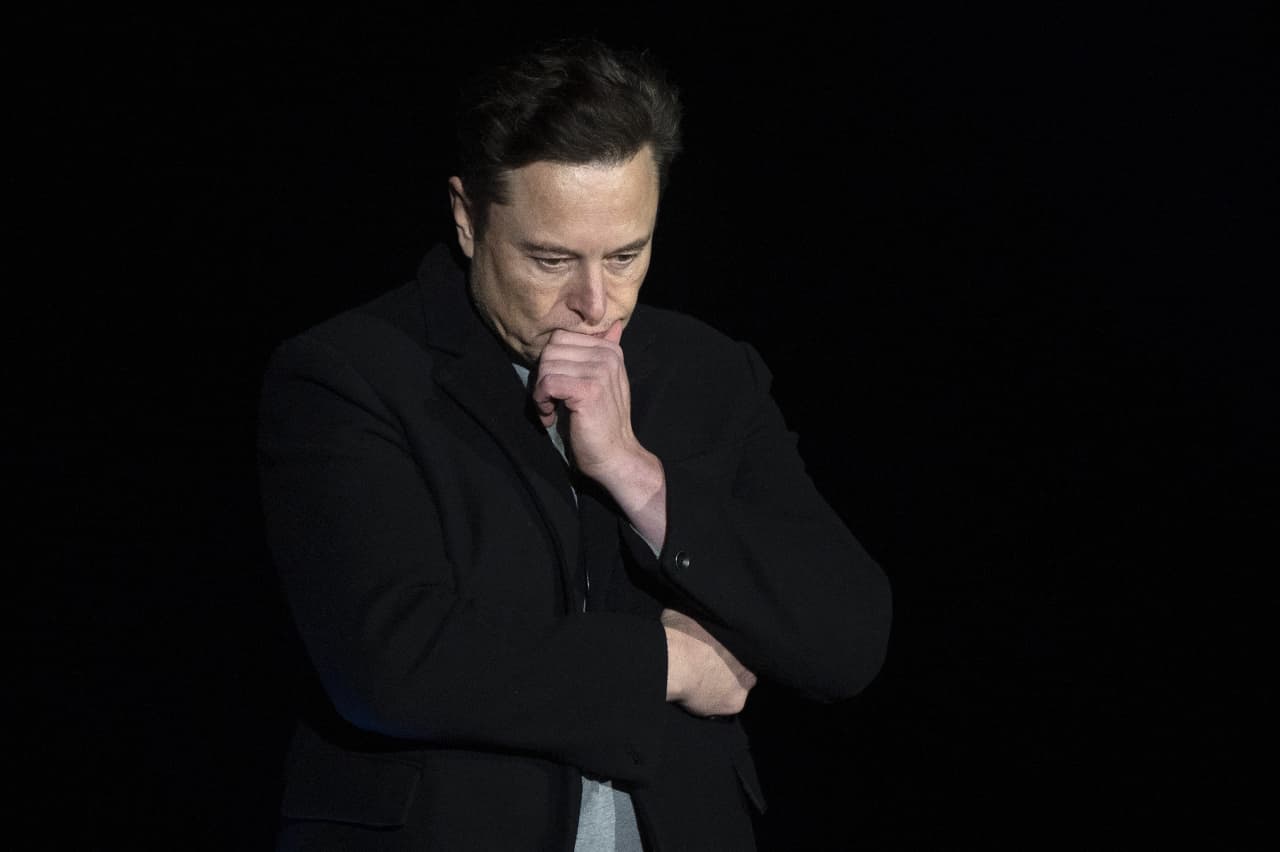
Elon Musk has sparked investor interest by suggesting a potential merger between Tesla and SpaceX. While he believes the consolidation has merit, the lack of further details during Tesla's earnings call led to a decline in stock price.
The Potential Consolidation of the Musk Empire
In a series of recent disclosures, Elon Musk has publicly entertained the notion of merging his two most prominent ventures: Tesla, the electric vehicle giant, and SpaceX, the aerospace powerhouse. During a SpaceX third-quarter earnings call, Musk stated that he sees "a lot of merit" in combining the entities, suggesting that such a consolidation could be a "good idea." This revelation marks a significant shift in how market analysts view the structural integrity of Musk’s broader business ecosystem, especially following SpaceX’s acquisition of xAI in February and its subsequent record-breaking IPO in June.
Investor Expectations and Market Volatility
The immediate aftermath of these comments saw intense scrutiny from stakeholders. While the initial suggestion of a merger generated significant buzz, the follow-up during Tesla’s third-quarter earnings call proved underwhelming for shareholders. Investors looking for concrete strategic roadmaps, synergies, or timelines were met with silence, as the company explicitly stated there would be no questions regarding the merger. This lack of transparency, coupled with Musk’s own admission that he feels like he is "tap dancing through a minefield," contributed to a decline in Tesla’s stock price as markets reacted to the uncertainty.
The Role of Governance and Special Committees
A critical component of this potential merger is the formal governance process. Recognizing the complexity of combining two distinct, high-value companies, Musk noted that both Tesla and SpaceX have formed special committees consisting of independent directors. These committees are ostensibly tasked with evaluating the feasibility and shareholder value of such a transaction. By highlighting this, Musk signaled that the decision rests not with him alone, but with the shareholders and the fiduciary oversight of these independent boards.
Strategic Implications of a Combined Entity
The merger of a car company and an aerospace firm is unprecedented in modern corporate history. Proponents of the idea might argue that combining the advanced materials, software, and AI capabilities of Tesla with the rocket engineering and satellite infrastructure of SpaceX could create a technological juggernaut. However, the operational risks are immense. Merging two companies with vastly different regulatory environments, capital requirements, and business cycles presents a monumental challenge for any leadership team, even one as ambitious as Musk’s.
Future Trends and Market Sentiment
Looking forward, the market remains in a state of cautious observation. The fact that SpaceX has already begun consolidating Musk’s firms—evidenced by the xAI acquisition—suggests a broader trend toward a unified corporate structure. However, Tesla investors remain protective of the company's independence and its specific focus on electrification and automation. Until the special committees provide a formal report or Musk offers a detailed roadmap, the "merger" remains a speculative concept that introduces volatility rather than clarity into the stock valuation of Tesla.
Conclusion
While the concept of merging Tesla and SpaceX remains in its infancy, it underscores the evolving nature of Elon Musk’s business strategy. Whether this is a genuine push toward consolidation or a broader effort to align his various ventures remains to be seen. For now, the market is signaling a preference for transparency over conjecture, as investors await more substantial data before fully committing to the vision of a combined Musk enterprise.
Multiple Citing Sources
Verification Required?