Tesla’s solar roof is dead — here’s what went wrong
Source Entity
Tim De Chant
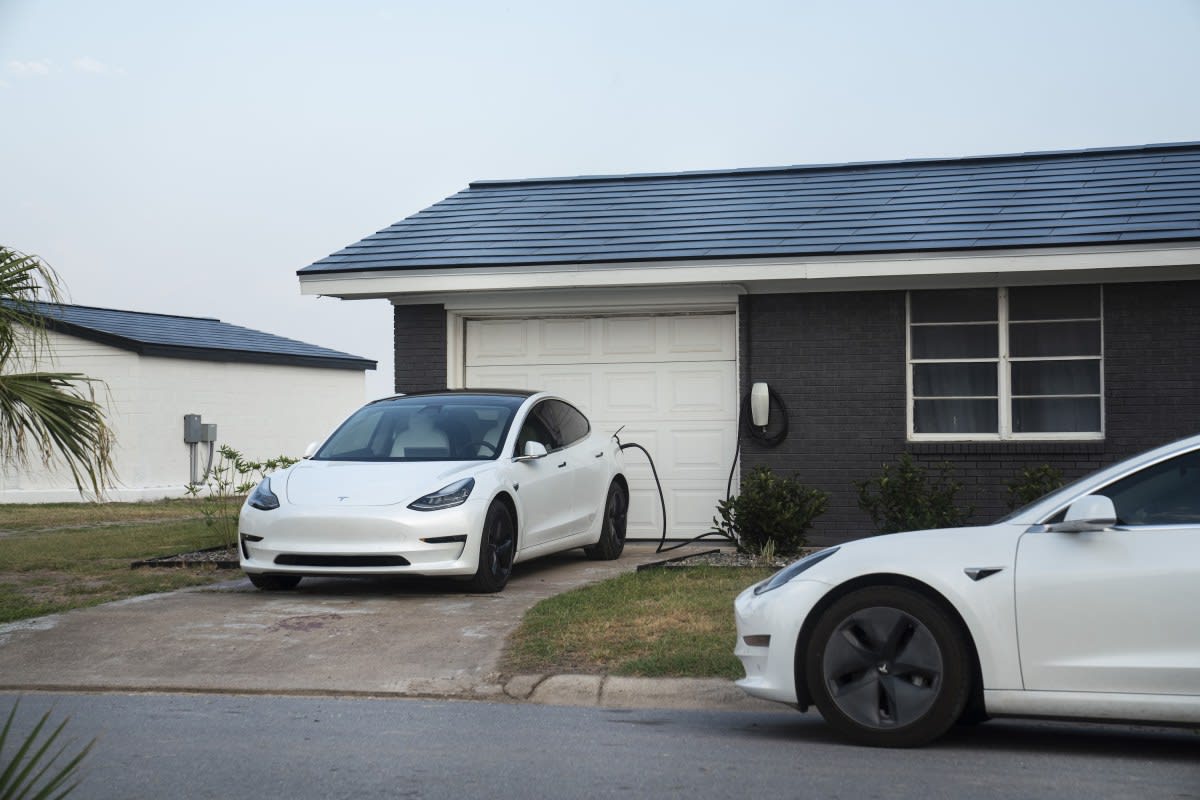
Tesla has officially discontinued its Solar Roof product, shifting its focus exclusively to conventional solar panels. The company has scrubbed the product from its website and redirected associated pages, signaling an end to the ambitious solar tile experiment.
The End of an Era: Tesla Sunsets Solar Roof
Tesla has officially discontinued its Solar Roof product, a decision that marks the end of a high-profile, decade-long experiment in building-integrated photovoltaics (BIPV). The product, which aimed to replace traditional roofing materials with aesthetically pleasing, power-generating tiles, has been scrubbed from Tesla’s primary digital presence. Reports from Electrek and TechCrunch confirm that Tesla has informed its third-party installer network that the Solar Roof is no longer available for new orders, signaling a strategic pivot back to conventional solar panel installations.
Digital Evidence of Discontinuation
The move is underscored by significant changes to Tesla’s online infrastructure. The dedicated landing page, tesla.com/solarroof, which served as the marketing hub for the product for nearly ten years, now automatically redirects users to the company’s generic solar panel page. This redirection is not isolated; support pages and product-specific navigation options have also been removed or rerouted. While Tesla has not issued a formal press release regarding the sunsetting, these deliberate website modifications corroborate reports from insiders familiar with the program’s internal status.
The Vision vs. Reality
When Elon Musk first unveiled the Solar Roof, it was marketed as a seamless "mini-power plant" capable of mimicking high-end materials like slate, terra-cotta, and premium shingles. The ambition was to solve the aesthetic friction associated with traditional solar panels, which many homeowners found visually obtrusive. However, the complexity of installation, the premium price point, and the logistical challenges of integrating hardware directly into a roof structure likely hampered mass adoption. By pivoting to conventional panels, Tesla is choosing a more standardized, scalable approach to its energy division.
Implications for the Solar Market
While Tesla’s specific product may be reaching the end of its lifecycle, the broader concept of roof-integrated solar remains a point of interest within the renewable energy sector. The discontinuation suggests that the manufacturing and installation costs of BIPV might still be prohibitive compared to the plummeting costs of standard photovoltaic modules. The industry will likely view this as a cautionary tale regarding the difficulty of balancing high-end architectural aesthetics with the pragmatic requirements of electrical infrastructure and roof durability.
Future Trends and Legacy
As Tesla works to offload remaining inventory or fulfill existing obligations through its installer network, the market is left to ponder the future of integrated solar. Many installers continue to field interest in the concept, suggesting that the demand for "invisible" solar technology exists, even if Tesla’s specific implementation proved unsustainable. Moving forward, it is probable that Tesla will focus its energy resources on its Powerwall and conventional solar array ecosystem, prioritizing high-volume, lower-complexity products that align more closely with their broader manufacturing goals.