Elon Musk appears to signal the end of the road for Cybertruck
Source Entity
BBC News
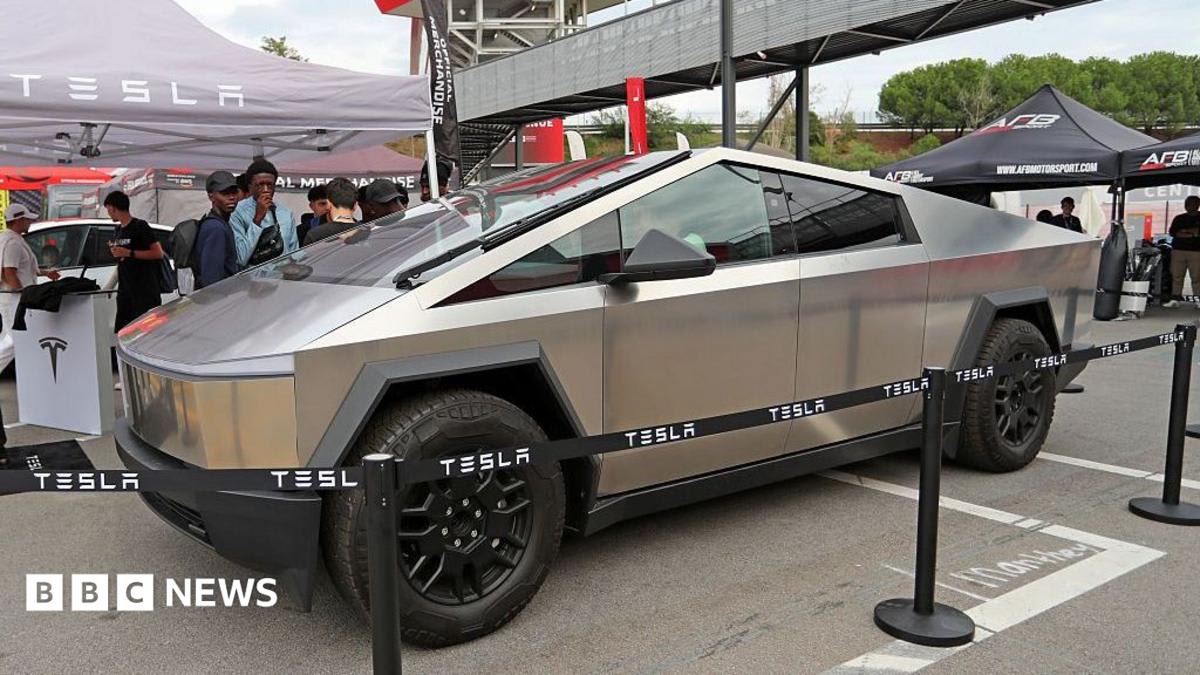
Tesla is set to wind down Cybertruck production at its Texas Gigafactory next year to prioritize the manufacturing of its autonomous Cybercabs. Lead engineer Wes Morrill has suggested this move signals the end of the Cybertruck project, which struggled with low sales and production challenges.
The Strategic Pivot: Tesla’s Move Away from the Cybertruck
Tesla CEO Elon Musk has announced that the company will begin winding down production of the Cybertruck at its Texas Gigafactory starting next year. This decision marks a significant shift in Tesla’s manufacturing priorities, as the company pivots resources toward the mass production of its autonomous Cybercab vehicles. While the announcement does not explicitly confirm a total permanent discontinuation, the implications—supported by comments from lead engineer Wes Morrill—suggest that the Cybertruck’s lifecycle as a primary consumer product is reaching its conclusion.
Challenges in the Cybertruck’s Lifecycle
Launched in 2023 following a series of significant development delays, the Cybertruck was marketed as a revolutionary technological platform. Despite its high-profile debut and distinctive angular design that garnered a dedicated fan base, the vehicle struggled to gain widespread market traction. Industry analysts have noted that sales figures remained underwhelming, complicating the business case for maintaining such a specialized production line in Tesla's flagship Texas facility.
The Rise of the Cybercab
Tesla’s decision to reallocate manufacturing capacity is driven by the urgent need to scale its robotaxi initiative. The Cybercab, designed as a fully autonomous vehicle without a driver, represents the company's long-term vision for the future of transportation. By clearing space at the Texas Gigafactory, Musk intends to accelerate the deployment of this driverless fleet, signaling that Tesla sees greater commercial potential in autonomous ride-hailing services than in continuing the production of the niche Cybertruck.
Operational Realities and Future Uncertainty
Currently, the Texas Gigafactory is the only facility equipped to handle the unique, specialized components required for Cybertruck assembly. Moving this production to another location would be an arduous and costly endeavor, particularly for a vehicle that has failed to achieve high sales volume. Given these logistical hurdles, the likelihood of the Cybertruck continuing in another plant appears slim, reinforcing the sentiment shared by lead engineer Wes Morrill that the vehicle’s legacy will live on through the technology developed for the Cybercab, rather than the truck itself.
Market and Community Impact
For the loyal community of Cybertruck enthusiasts, the news has been met with significant disappointment. Many view the vehicle as a landmark engineering achievement, with some calling it the best vehicle Tesla has ever produced. However, the transition underscores a cold reality in the automotive industry: even high-profile, experimental platforms must justify their existence through consistent production efficiency and market demand. As Tesla shifts its focus to the Cybercab, the Cybertruck will likely be remembered as a bold, if ultimately ephemeral, experiment in automotive design.
Multiple Citing Sources