Tesla will stop making the Cybertruck in 2027
Source Entity
Sean O'Kane
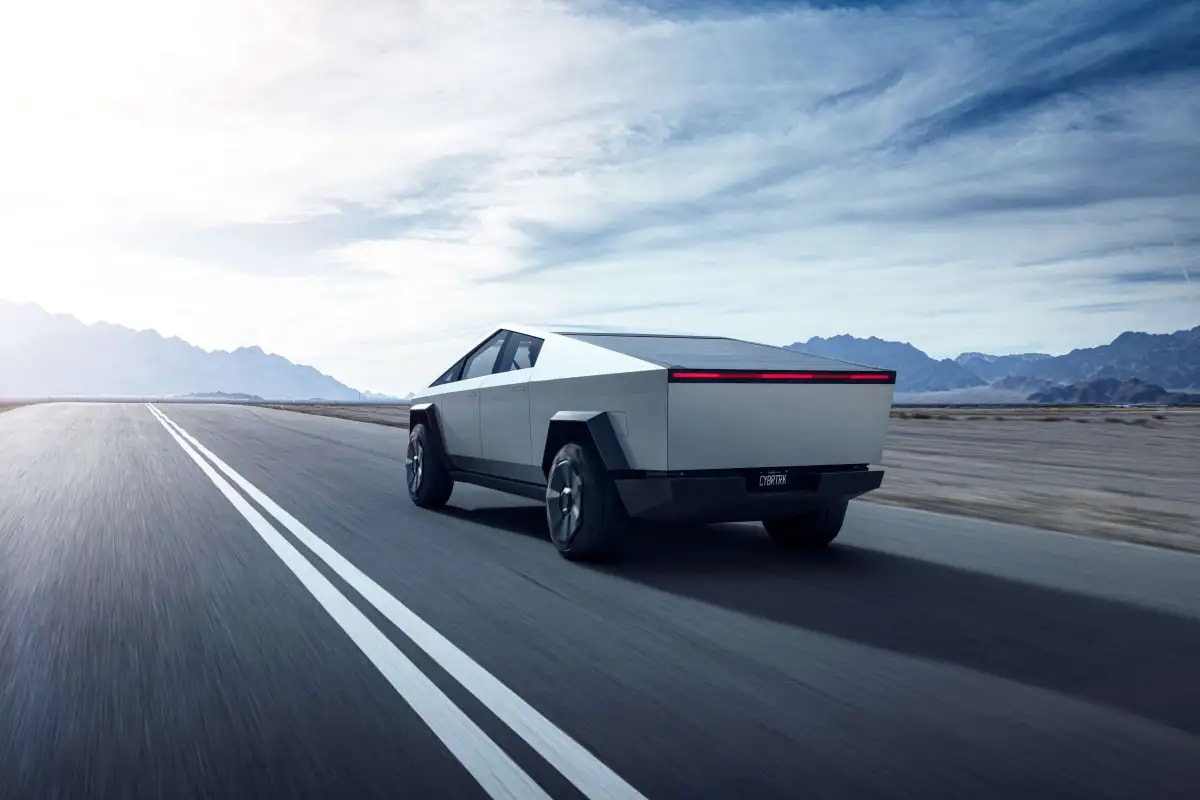
Tesla is set to wind down Cybertruck production at its Texas Gigafactory next year to prioritize the manufacturing of its autonomous Cybercabs. Lead engineer Wes Morrill has suggested this move marks the end of the vehicle's development cycle.
The Strategic Pivot: Tesla Transitions from Cybertruck to Cybercab
Tesla’s recent announcement regarding the winding down of the Cybertruck at its Texas Gigafactory marks a significant inflection point in the company’s manufacturing strategy. Elon Musk has explicitly stated that production will be scaled back starting next year to create the necessary capacity for the upcoming Cybercab, a move that signals a broader pivot toward autonomous vehicle technology. This decision reflects the ongoing corporate evolution at Tesla as it shifts focus from niche, experimental consumer vehicles toward the high-stakes world of robotaxi infrastructure.
The Legacy of a Design Experiment
The Cybertruck, defined by its unconventional, angular aesthetic and stainless-steel exoskeleton, has been a polarizing figure in the automotive landscape since its 2019 debut. While it succeeded in generating massive public interest and a dedicated fan base, the reality of its 2023 launch was marred by significant production delays and technical challenges. As noted by Wes Morrill, Tesla’s lead engineer, the Cybertruck served primarily as an "incredible technology development platform." This suggests that the vehicle was always intended to be a testing ground for manufacturing innovations rather than a long-term mass-market staple.
Operational Realities at the Texas Gigafactory
The Texas Gigafactory serves as the exclusive hub for Cybertruck assembly, utilizing specialized tooling and processes unique to its design. By choosing to "make room" for the Cybercab, Tesla is effectively prioritizing its autonomous taxi fleet over the heavy-duty truck segment. Moving production elsewhere would be an arduous and likely cost-prohibitive task, particularly given that the Cybertruck has faced lukewarm sales performance compared to Tesla’s high-volume models like the Model 3 and Model Y.
The Shift Toward Autonomous Mobility
The pivot to the Cybercab represents a fundamental change in Tesla's business model. By moving away from the consumer-owned truck, the company is doubling down on the premise that the future of transportation lies in driverless taxi services. This transition highlights a broader industry trend where legacy automotive concepts are being sidelined in favor of software-defined, autonomous mobility solutions that promise higher profit margins and recurring revenue through ride-hailing services.
Broader Implications for the EV Market
For the electric vehicle industry, this news underscores the volatility of experimental design. The Cybertruck’s eventual retirement highlights the risks associated with prioritizing innovative form factors over consistent, high-volume manufacturing feasibility. As Tesla prepares to phase out the Cybertruck, the market will likely watch closely to see if the Cybercab can overcome the production hurdles that plagued its predecessor. Ultimately, this move consolidates Tesla’s resources into a singular vision, betting the company’s future on the successful deployment of autonomous technology.
Multiple Citing Sources