Thailand’s inflation accelerates past central bank’s target
Source Entity
Latest News: Todays Latest News Headlines from India & World | Hindustan Times
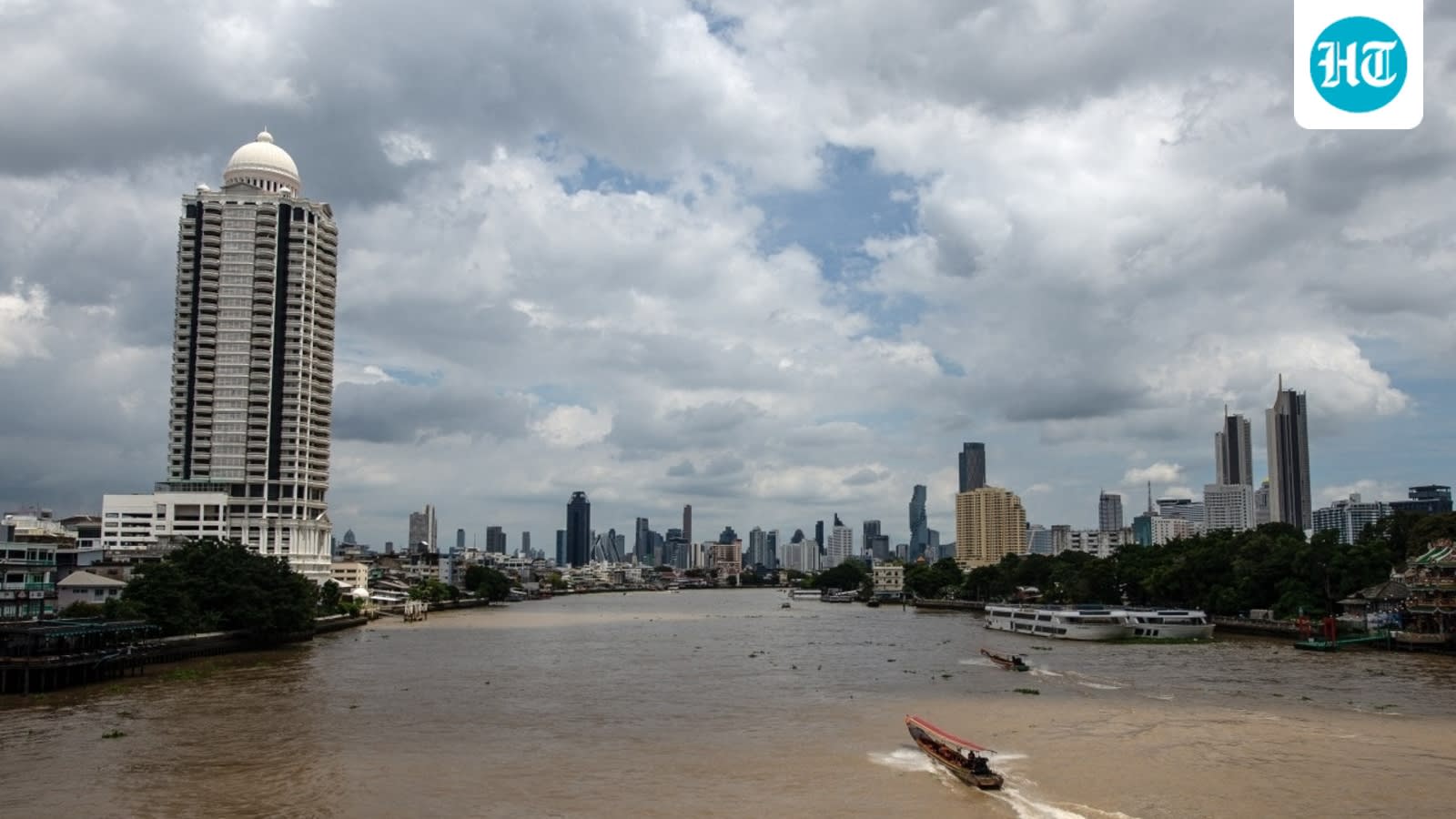
Thailand's October inflation rose to 3.9%, surpassing the central bank's target range due to surging global fuel costs. This uptick, driven by Middle East geopolitical tensions, has exceeded economist forecasts and highlights growing pressure on the nation's cost of living.
Thailand's Inflation Surge: An Economic Overview
Thailand’s economic landscape has shifted significantly as the nation’s consumer inflation accelerated to 3.9% in October, marking a sharp rise from the 2.82% recorded in September. This figure not only surpassed the median forecast of 3.5% from a Wall Street Journal poll but also breached the Bank of Thailand’s established target range of 1% to 3%. This deviation signals a period of heightened economic pressure that challenges the central bank's current monetary policy stance.
The Role of Global Energy Volatility
The primary catalyst for this inflationary spike is the escalating cost of fuel, which is inextricably linked to the ongoing conflict in the Middle East. As global energy markets react to geopolitical instability, Thailand—an energy-importing nation—faces immediate repercussions in the form of elevated transportation and logistics costs. This volatility demonstrates the vulnerability of Southeast Asian economies to external supply-side shocks that originate far beyond their borders.
Core Inflation vs. Headline Figures
While headline inflation captures the immediate impact of energy prices, it is crucial to analyze core inflation to understand underlying demand. Core inflation, which strips away volatile categories like fresh food and energy, rose slightly to 1.58% in October from 1.50% in September. While this suggests that the inflationary pressure is currently concentrated in the energy sector, the upward tick indicates that rising costs are beginning to permeate other segments of the broader economy.
Broader Economic Implications
For the Thai government and the central bank, this data presents a complex dilemma. Maintaining a target range of 1% to 3% is intended to ensure price stability, but the current breach suggests that inflationary pressures may be more persistent than anticipated. If fuel prices remain elevated due to the regional conflict, households will continue to face a higher cost of living, which could dampen consumer spending—a vital component of Thailand’s post-pandemic economic recovery.
Future Trends and Policy Outlook
Looking ahead, market participants will be closely watching the Bank of Thailand for potential adjustments to monetary policy. The central bank must balance the need to curb inflation with the necessity of supporting economic growth. If headline inflation remains consistently above the target, the bank may face pressure to reconsider interest rate policies to anchor expectations and mitigate the risk of a wage-price spiral.
Conclusion
In summary, Thailand’s recent inflation data serves as a stark reminder of the global interconnectedness of markets. The surge to 3.9% highlights the sensitivity of the Thai economy to energy price fluctuations driven by geopolitical strife. Moving forward, the effectiveness of the central bank's response will be critical in determining whether this spike is a transitory phenomenon or the beginning of a more sustained period of economic volatility.
Verification Required?