Thalinomics goes for a toss as LPG fuels food price rise, Telangana logs 6.32% inflation
Source Entity
India Latest News: Top National Headlines Today & Breaking News | The Hindu
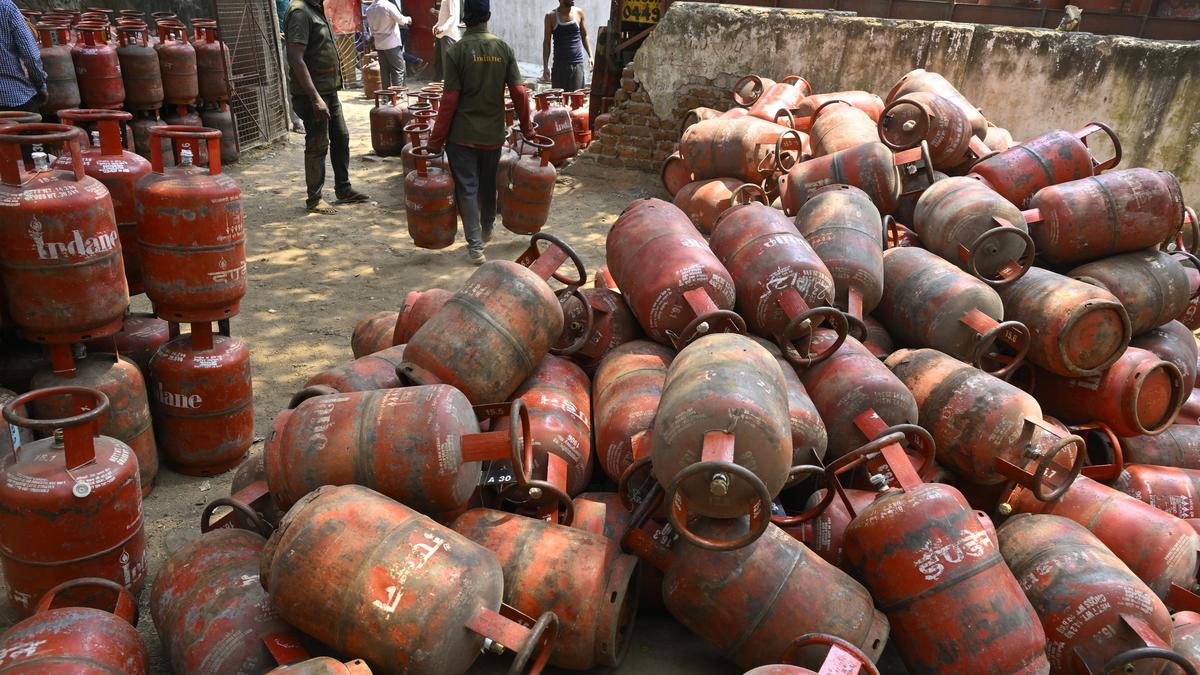
Hyderabad is experiencing a sharp rise in food prices, with restaurants increasing menu costs by up to 25% due to surging LPG and raw material expenses. This trend highlights the growing pressure of inflation on the local hospitality sector and the broader 'thalinomics' discourse.
The Rising Cost of Dining: Analyzing Hyderabad's Inflation Crisis
The Erosion of 'Thalinomics'
In recent years, the term 'thalinomics' has gained prominence as a simplified metric to gauge the affordability of a standard meal for the average Indian consumer. However, the current economic landscape in Hyderabad suggests that this model is under severe strain. With restaurants like Kakatiya Deluxe Mess raising the price of an 'all-you-can-eat' thali from ₹200 to ₹250 in just eight months—a staggering 25% increase—the basic affordability of dining out is rapidly deteriorating. This shift serves as a tangible indicator of the broader inflationary pressures currently gripping the region.
The Anatomy of Price Hikes
The root cause of these price adjustments is a cascading effect of rising input costs. A notice posted at the popular franchisee Panchakattu Dosa provides a transparent breakdown of these pressures: an 85% surge in gas prices, a 17% increase in urad dal costs, and rising expenses for rice and disposables. When essential overheads—particularly energy costs like LPG—skyrocket, the hospitality industry, which operates on thin margins, is left with little recourse other than passing these costs directly to the consumer.
Impact on the Local Hospitality Sector
Small-to-medium-sized restaurants in Hyderabad are at the epicenter of this financial crunch. Data indicates that these establishments have increased menu prices by up to 20% over the last six months. This is not merely a reflection of profit-seeking, but rather a defensive survival strategy. When raw material inflation outpaces consumer purchasing power, businesses face the difficult choice of reducing portions, compromising on quality, or raising prices, the latter of which risks alienating loyal customer bases.
Broader Economic Implications
With Telangana logging a 6.32% inflation rate, these restaurant price hikes are symptomatic of a wider systemic issue. Food inflation is a regressive tax, disproportionately impacting lower- and middle-income households who rely on these local messes and eateries for daily sustenance. As the cost of staples like dal and rice continues to fluctuate upward, the 'thalinomics' narrative shifts from a story of economic accessibility to one of increasing financial vulnerability for the urban workforce.
Looking Ahead: Future Trends
The trajectory of food pricing in Hyderabad suggests that unless there is a stabilization in energy costs and supply chain logistics, the hospitality sector will likely continue to face volatility. Consumers should anticipate a period where menu prices remain high or further increase to offset the persistent rise in operating expenses. Policy intervention regarding fuel prices and agricultural supply chain management remains critical to preventing these localized price spikes from becoming a long-term structural norm in the Indian restaurant industry.
Verification Required?